Surf Camps in Morocco
Discover the best surf camps in Morocco — from the legendary point breaks of Taghazout to the windswept beaches of Essaouira and the remote swells of Sidi Kaouki.
Morocco
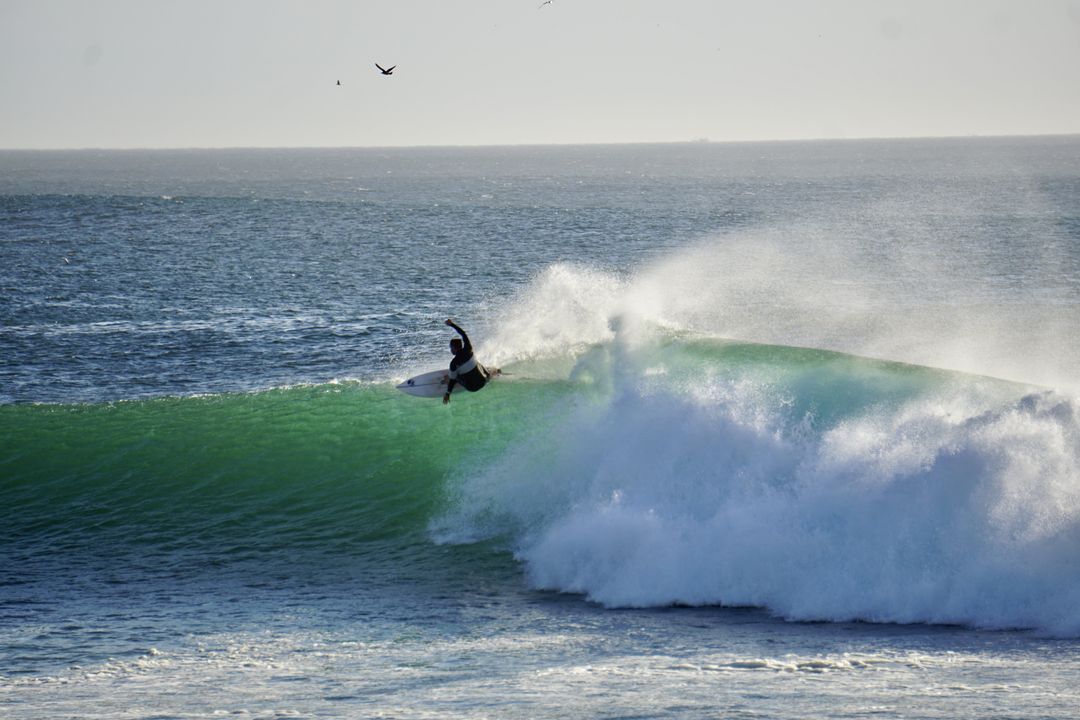
Blue Waves Surf House (Tamraght)
Click Surf Maroc
Hash Point Surf Camp
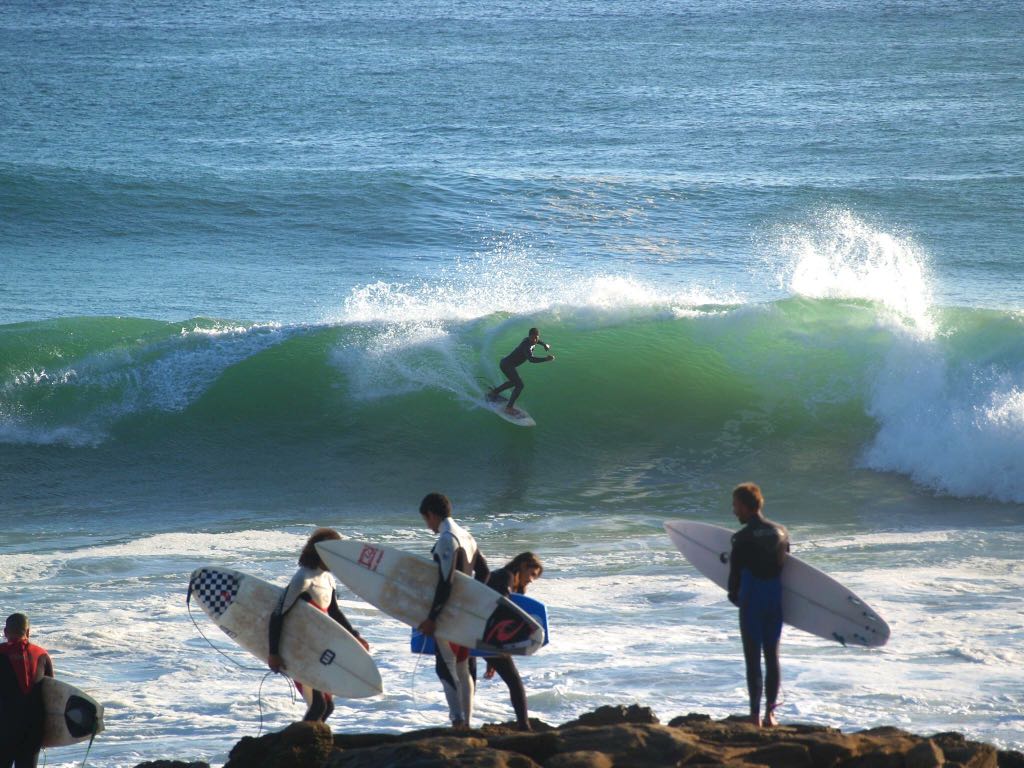
Local Surf Maroc
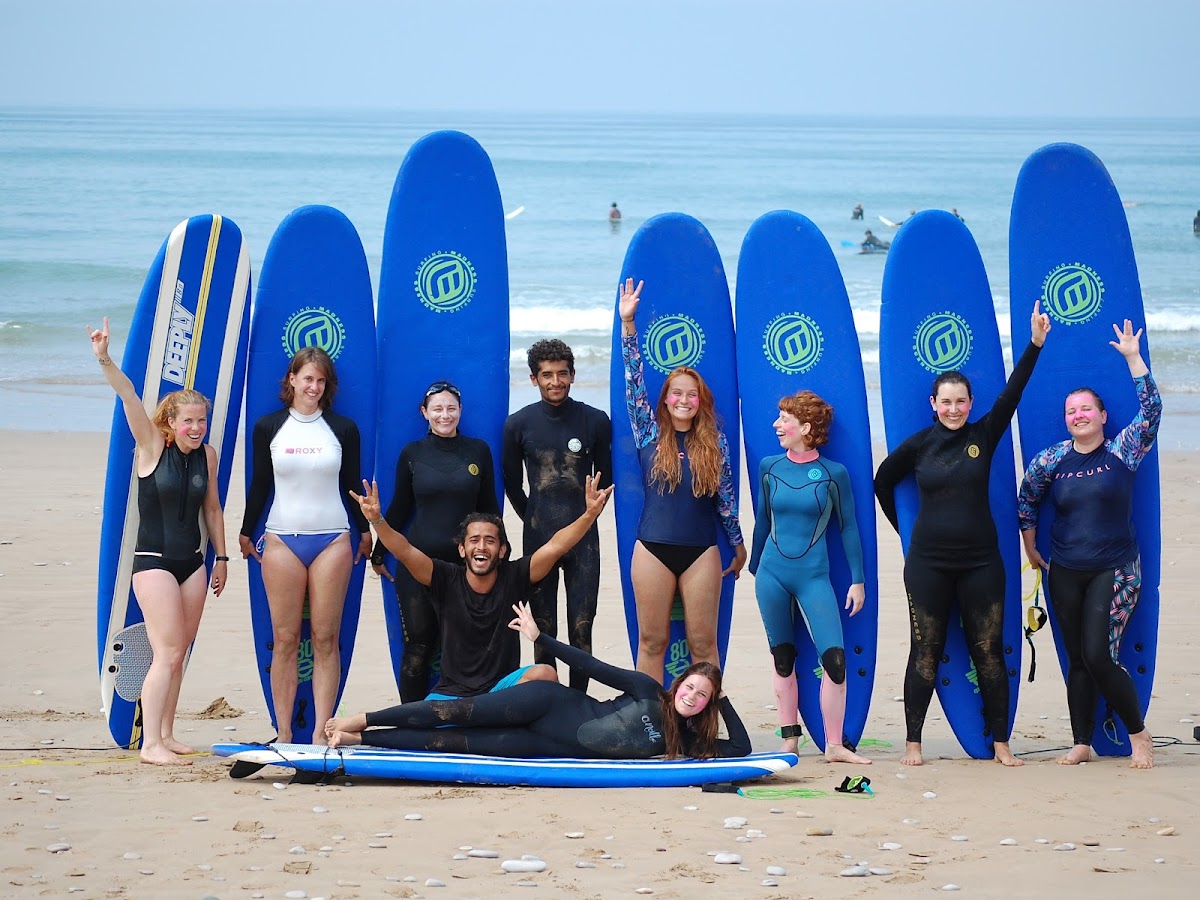
Salt House Morocco
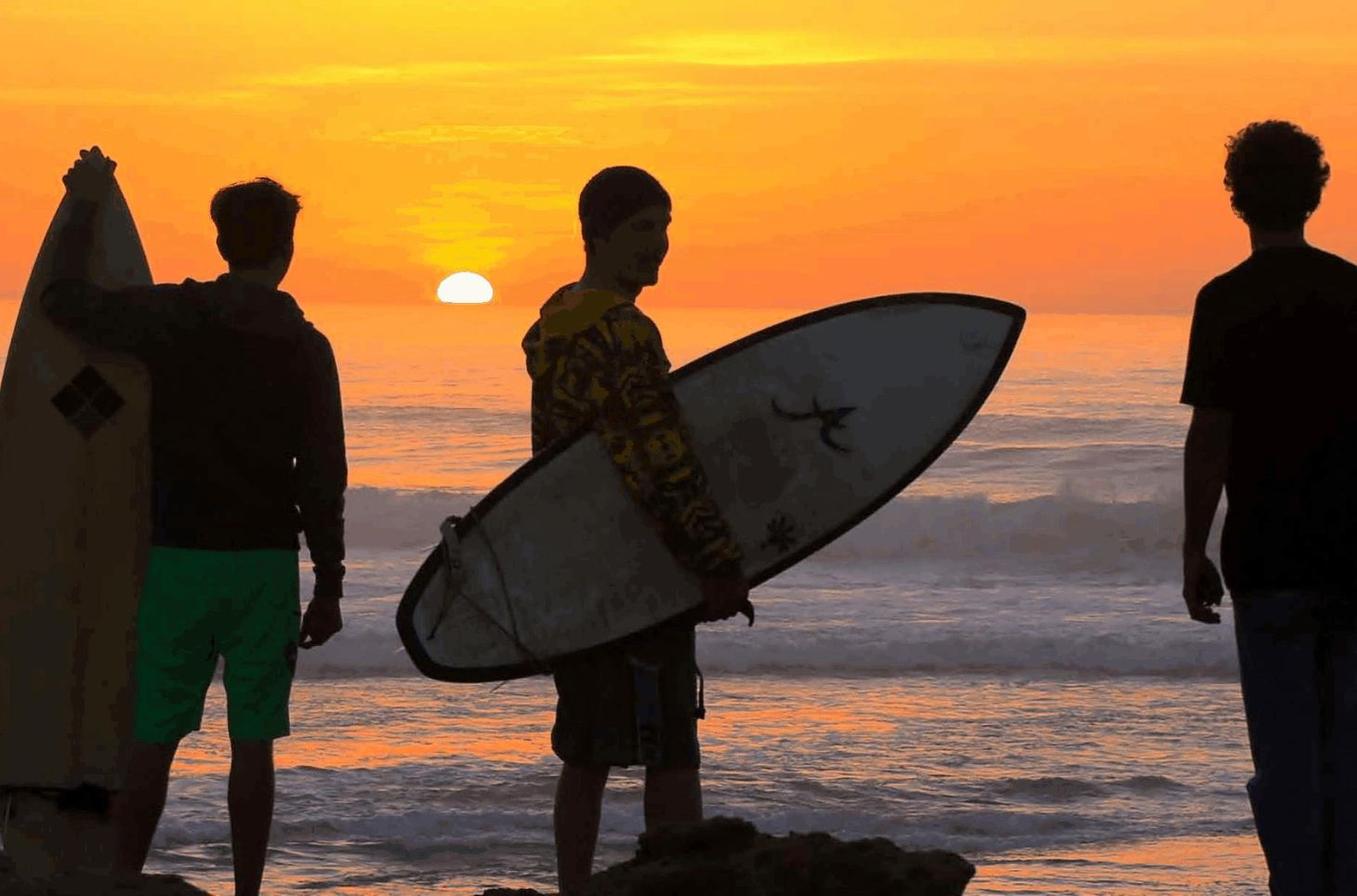
Sidi Kaouki Surfclub
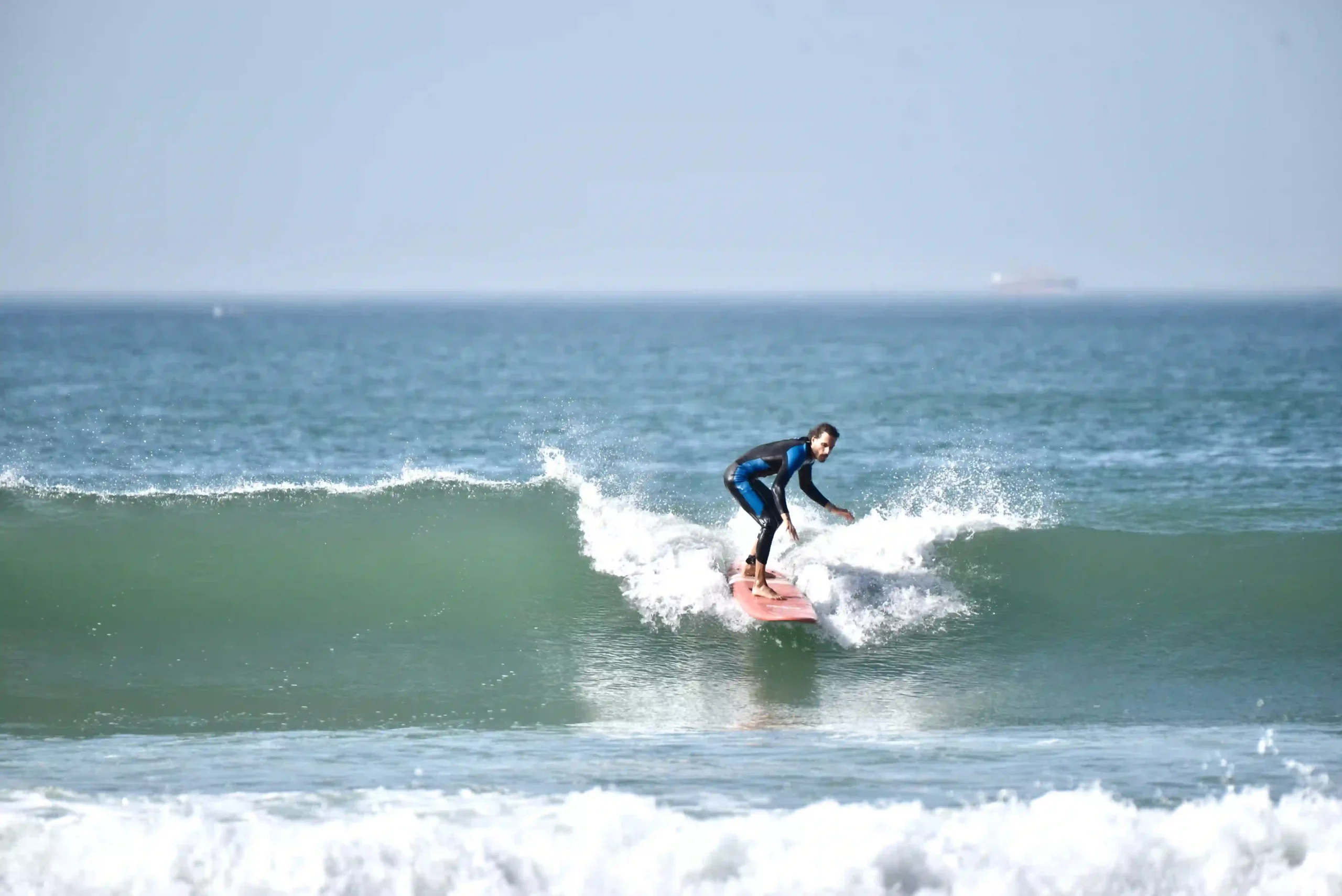
Swell Surf Morocco
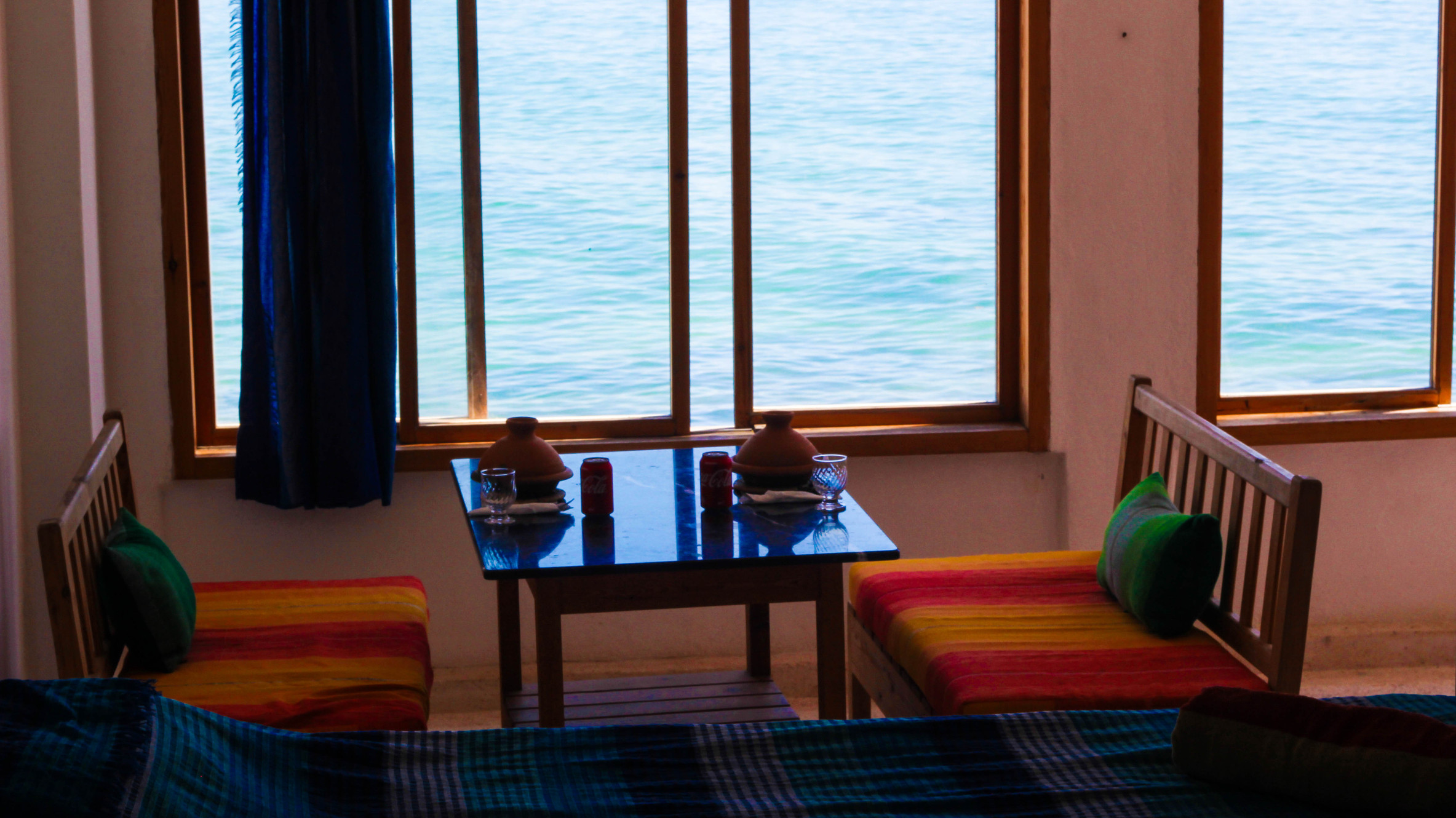
Taghazout Hill Retreat
Which Region Suits You?
Morocco's Atlantic coast stretches over 1,200 km and packs in an extraordinary variety of surf zones. Here's how to choose the right base for your camp:
| Region | Level | Wave Type | Vibe |
|---|---|---|---|
| Taghazout / Tamraght | Beginner–Advanced | Point breaks, long rights | Laid-back surf village, most camps, year-round |
| Agadir | Beginner | Beach breaks | City base, easy access, calmer surf |
| Imsouane | Intermediate–Advanced | Long point break (longest in Africa) | Remote, mellow, magical |
| Sidi Kaouki | Intermediate–Advanced | Beach and point, windy | Uncrowded, wild, kite-friendly |
| Essaouira | Intermediate–Advanced | Beach break, strong wind | Windsurf/kite capital, cultural hub |
| Mirleft / Sidi Ifni | Advanced | Powerful beach and reef | Off the beaten track, empty lineups |
What to Expect from a Morocco Surf Camp
Morocco surf camps are among the best value in the world. Most are based in or around Taghazout — a small fishing village that has become Africa's surf capital — with a handful of more remote options for those who want to escape the crowds.
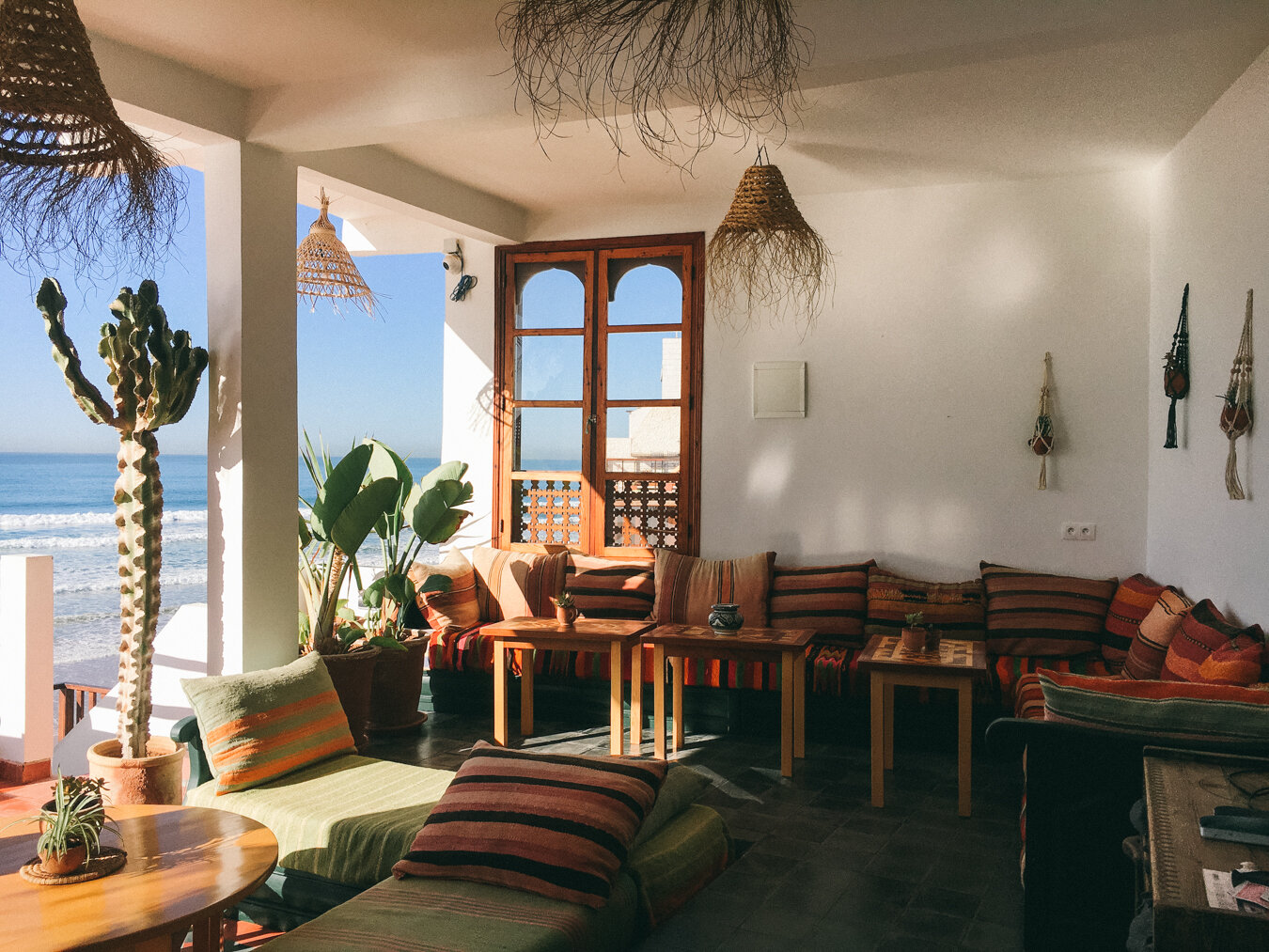
Accommodation ranges from traditional riad-style guesthouses with rooftop terraces to modern surf houses with pools. Most camps are small and social, with 10–20 guests at a time. Shared rooms are the norm at budget camps; private rooms and ensuite options are available at mid-range and premium properties.
Coaching is widely available at all levels. Morocco is one of the best places in the world to learn to surf, with long, forgiving point breaks that give beginners plenty of time on the wave. Intermediate and advanced surfers benefit from coaching at spots like Anchor Point, Killers, and Hash Point — some of the most consistent point breaks in the world.
What's typically included: daily surf lessons or guided sessions, board and wetsuit hire, breakfast and dinner, airport transfers from Agadir (AGA). Lunch is usually not included — most surfers eat at local tagine spots for €3–5.
Price ranges: Budget camps start from around €400–500/week including accommodation and lessons. Mid-range runs €600–900/week. Premium surf houses with private rooms, pools, and yoga start from €900–1,200/week.
Our Top Picks: Best Surf Camps in Morocco
Morocco has a tight-knit surf camp scene centred around Taghazout, with a handful of standout options across the coast. Here are our editorial picks:
Best Overall — Swell Surf Morocco Consistently one of the highest-rated camps on the Moroccan coast, Swell combines excellent coaching with a genuine community feel. Based in Taghazout with access to all the major point breaks, it suits beginners through to intermediates looking to make real progress.
Best for Beginners — Malika Surf Camp Malika is purpose-built for first-timers. The instructors are patient and experienced, the beach break setup is forgiving, and the riad-style accommodation gives a proper taste of Moroccan culture alongside the surf.
Best for Intermediates — Hash Point Surf Camp Named after one of Morocco's most famous point breaks right on the doorstep, this camp is ideal for surfers who can already ride and want to push their surfing on proper long walls. Coaching is technical and the location is unbeatable.
Best for Solo Travellers — Maktub House Small, social, and with a strong community vibe, Maktub House is a favourite among solo travellers. The rooftop terrace, communal dinners, and relaxed atmosphere make it easy to connect with other surfers.
Best Off-the-Beaten-Track — Sidi Kaouki Surfclub If you want to escape the Taghazout bubble, Sidi Kaouki is the answer. This remote beach south of Essaouira has powerful, uncrowded waves and a wild, windswept character that feels a world away from the main surf circuit.
Best Boutique — Salt House Morocco A beautifully designed surf house that sits above the standard surf camp formula. Salt House combines quality accommodation, curated surf sessions, and a strong focus on the overall experience — food, yoga, and culture included.
Best for the Long Haul — Taghazout Hill Retreat Perched on the hill above Taghazout with panoramic ocean views, this retreat suits surfers who want to stay longer and go deeper — into the surf, the culture, and themselves. Yoga and wellness are woven into the programme.
Explore Morocco
Morocco sits within the Africa region on WaveCamps. Browse all camps across the continent:
For a deeper dive into Morocco's surf spots, seasons, and everything you need to know before you go, read our complete guide:
Frequently Asked Questions
No — most camps in Morocco actively cater to complete beginners. The point breaks around Taghazout are exceptionally forgiving for learners, and the majority of camps offer structured beginner programmes with qualified instructors. If you've never surfed before, Morocco is one of the best places in the world to start.
Morocco has surf year-round, but the prime camp season runs from September to May. October to March brings the most consistent Atlantic swells and is ideal for intermediate and advanced surfers. April and May are excellent for beginners — smaller, cleaner surf and warm weather without the summer crowds. Summer (June–August) is calmer and better suited to absolute beginners.
No — all camps include board hire as standard. Beginners are typically given a large foam board (longboard or mini-mal), while more experienced surfers can usually request a shortboard or fish. If you have a specific board you prefer, most camps are happy to accommodate it.
Absolutely. Morocco's surf camps are among the most social in the world. The small group sizes, communal meals, and shared surf sessions make it easy to meet people, and the Taghazout scene has a strong international community of solo travellers. Many guests arrive alone and leave with a group of friends.
Most Morocco surf camps include accommodation, daily surf lessons or guided sessions, board and wetsuit hire, breakfast, and dinner. Airport transfers from Agadir (AGA) are usually included or available for a small supplement. Lunch is typically not included — local tagine restaurants near the camps are cheap and excellent.