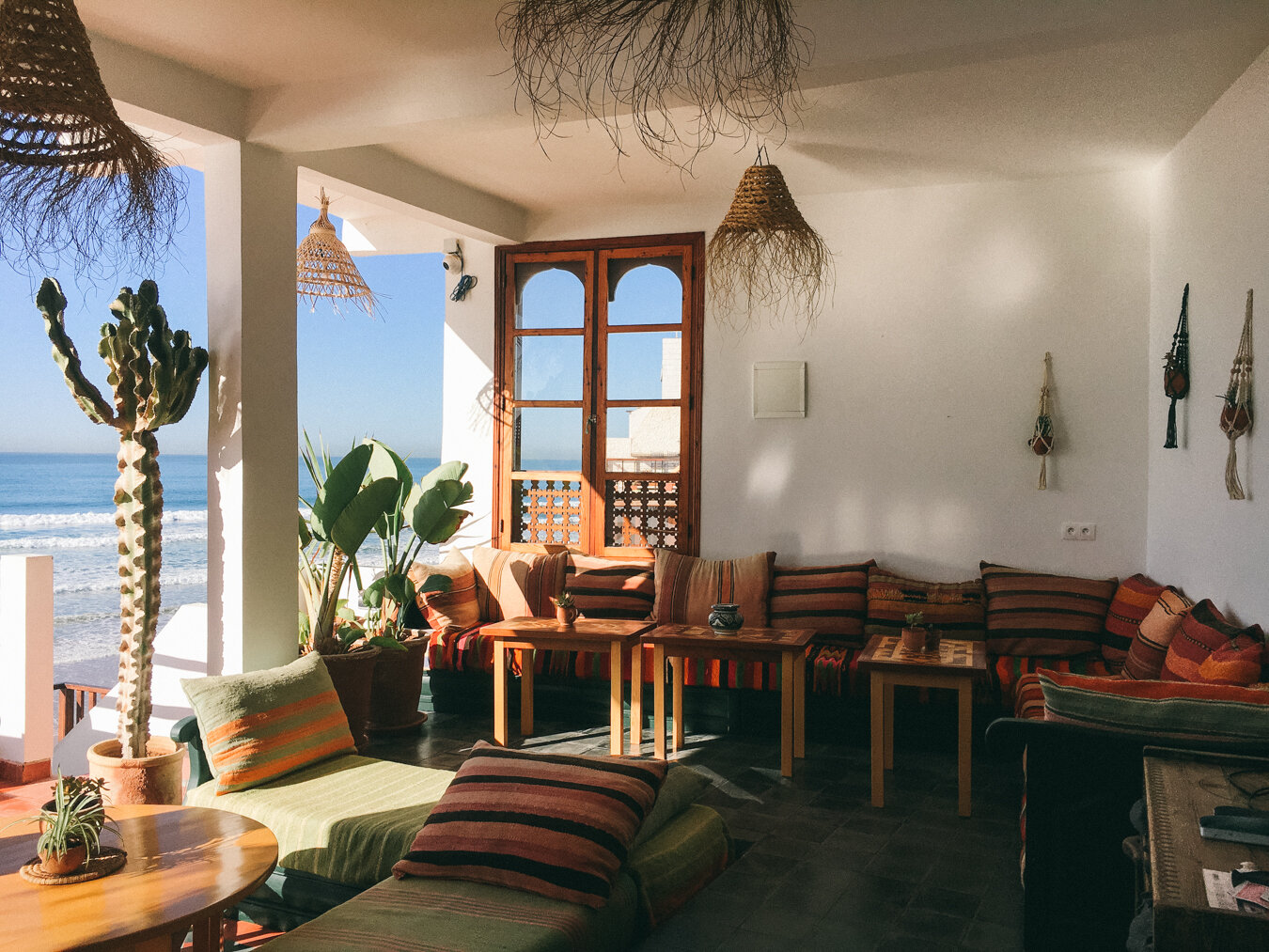
Nestled in the charming village of Taghazout, Bigblue Hostel offers surfers a authentic Moroccan surf experience just steps away from some of the region’s best waves. Located at N°8 Ruelle Mhand Idir, the hostel provides easy access to a variety of surf spots suited for all levels, from mellow point breaks to more challenging reef breaks, making it an ideal base for both beginners and seasoned surfers. The vibrant local atmosphere, combined with warm Moroccan hospitality, creates a welcoming environment where guests can immerse themselves in the laid-back surf culture while enjoying comfortable accommodations and communal spaces to unwind after a day on the water. At Bigblue Hostel, surfers can expect a relaxed yet dynamic experience—whether they’re catching their first wave or refining their skills, the friendly staff and community vibe foster a sense of camaraderie and adventure that keeps visitors coming back. With its prime location, authentic surroundings, and a genuine passion for surfing, Bigblue Hostel offers more than just a place to stay; it’s a gateway to discovering the soulful rhythm of Moroccan surf.
Stay & Surf with Blue Waves Surf House. Blue waves specialises in surf and yoga holidays in our locations of Morocco, Sri Lanka. Surf and Stay in Tamraght, Anza or Ahangama. Book now.
Home away from home vibe in our seafront villa in Taghazout, we take you on an epic surfing adventure. Meet like-minded people from all over the world.
Nestled along the serene shores of Somone in Senegal, Secret Bay Somone Surf Club offers a laid-back yet immersive surfing experience amid some of West Africa’s most inviting waves. Located just steps from the tranquil waters of the Atlantic, the camp provides easy access to consistent swell and warm, inviting waters that are perfect for surfers of all levels. Surrounded by lush landscapes and vibrant local culture, guests can enjoy a genuine connection to the region while honing their skills or simply soaking in the coastal beauty. The camp’s atmosphere balances relaxed comfort with professional instruction, making it an ideal spot for both beginners eager to catch their first wave and seasoned surfers looking to refine their technique. Whether paddling out at dawn to chase early light or unwinding after a day of surf, visitors can expect an authentic, friendly environment that emphasizes safety, learning, and enjoyment. With its peaceful setting and excellent surf conditions, Secret Bay Somone Surf Club invites travelers to experience the thrill of riding the Atlantic’s gentle rollers while immersing themselves in the vibrant local surroundings—an ideal destination for those seeking a memorable surf adventure rooted in authenticity and natural beauty.
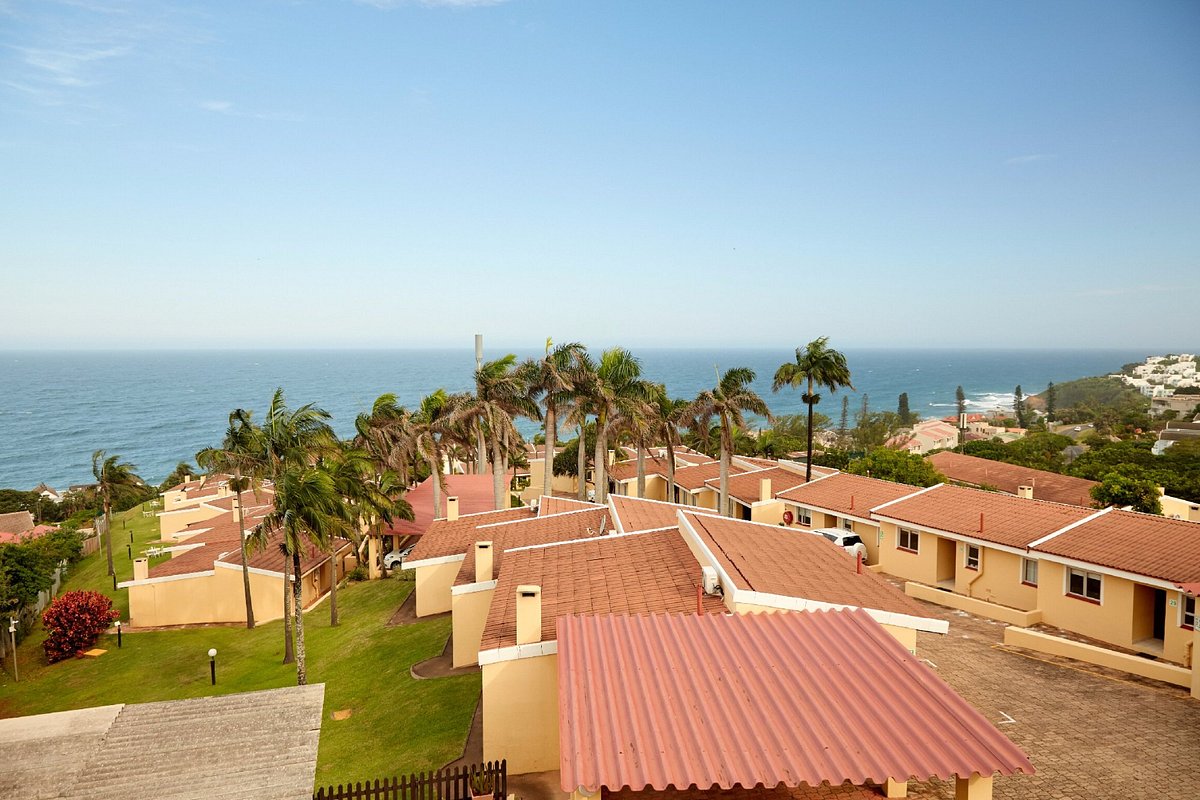
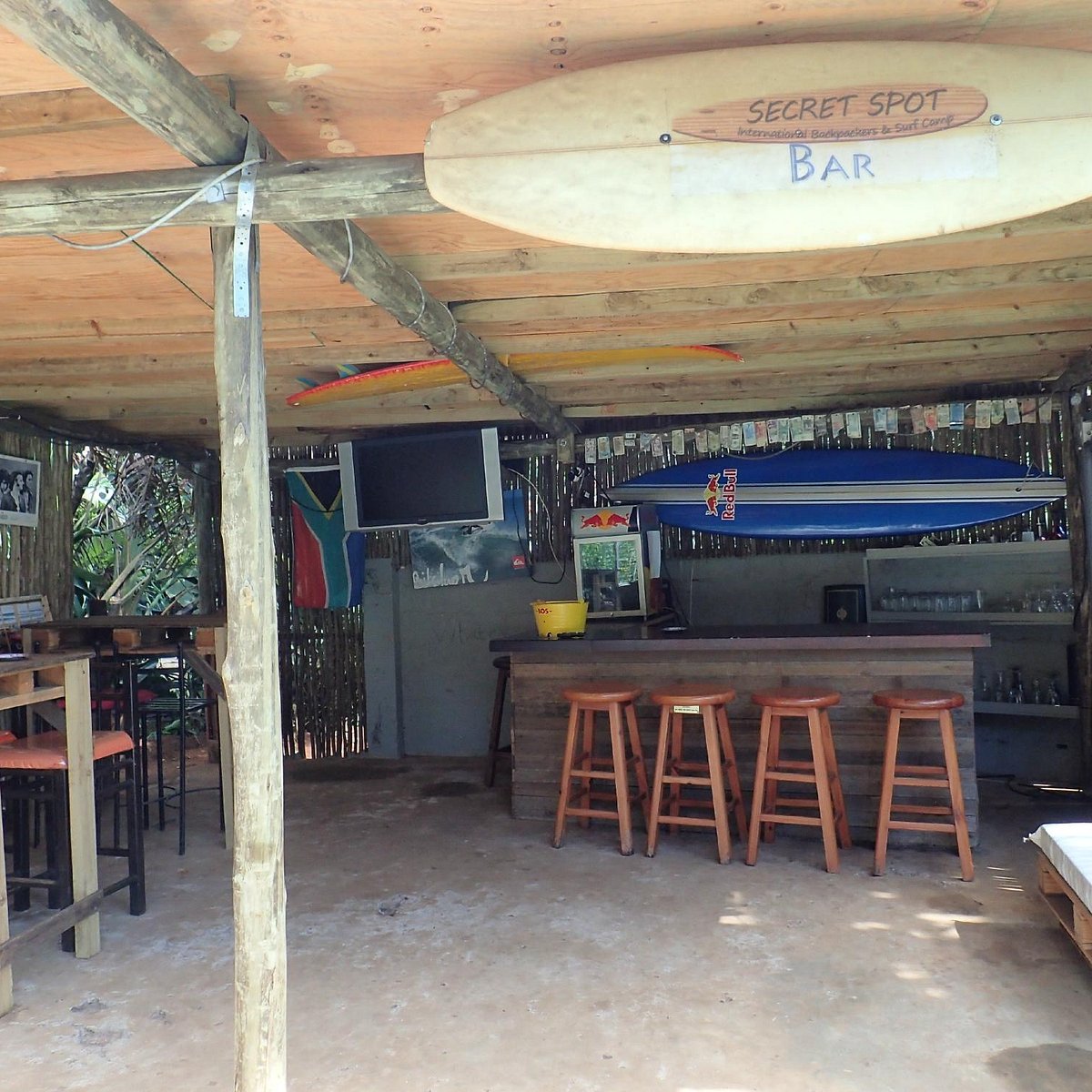
Located in the small tourist city of Ballito, in the so-called Dolphins Coast of South Africa. The clear and shallow waters of this coast favor dolphins approaching to feed, being able to be seen throughout the year. Ballito has experienced great development as a vacation center, and there are currently numerous accommodation and dining options. Secret Spot Backpackers International & Surf Camp offers surf courses for any age and surf tours to the numerous spots in the area. Ballito Beach, Salmon Bay, Clark B.
Sidi Kaouki Surfclub offers a relaxed surf camp experience in a charming Moroccan village. Located just 20 km south of Essaouira, the village boasts beautiful beaches with reliable waves suitable for surfers of all levels. The camp provides access to various surf breaks, comfortable accommodations near the beach, and an authentic Moroccan atmosphere. Perfect for those seeking a safe, scenic, and enjoyable surf holiday in Morocco.
Africa is home to some of the world's most exciting surf camp destinations, offering a unique blend of world-class waves, rich cultural experiences, and genuine adventure. From Morocco's legendary right-hand point breaks to South Africa's powerful swells and Senegal's uncrowded lineups, the continent has developed a thriving surf camp scene that caters to surfers of all levels. Whether you're a beginner looking for your first wave or an experienced surfer seeking new challenges, Africa's surf camps provide the perfect base for an unforgettable surfing adventure.
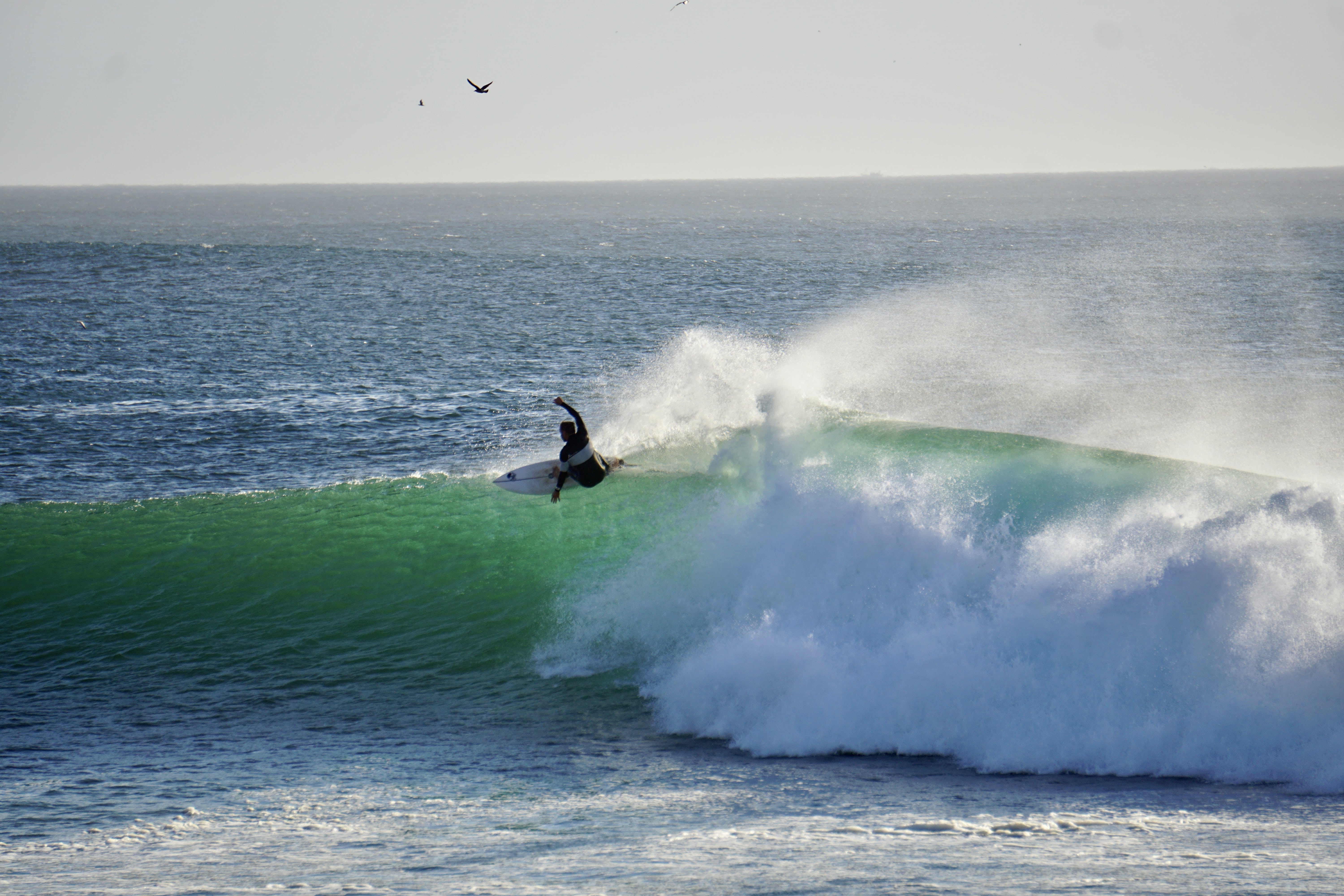
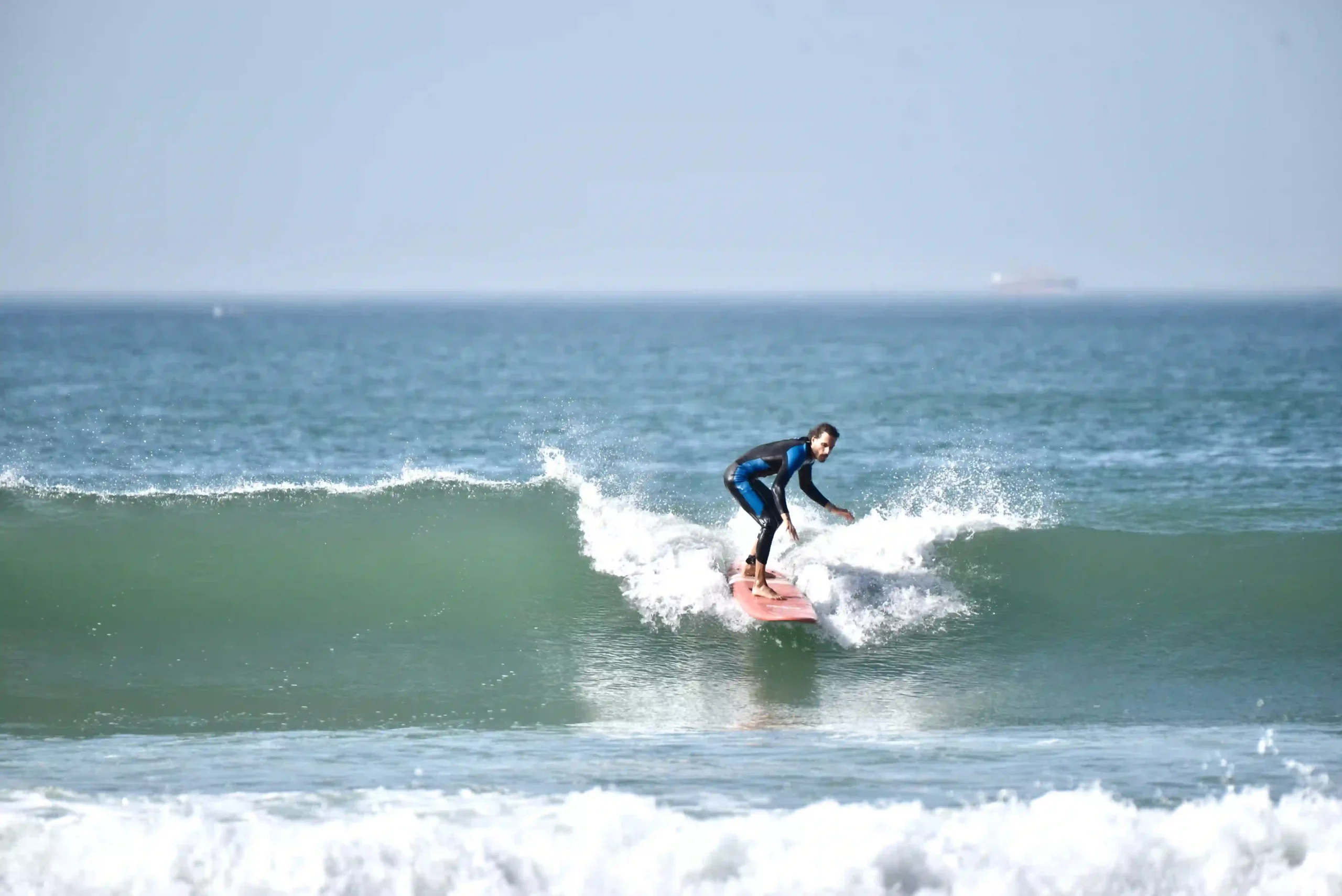
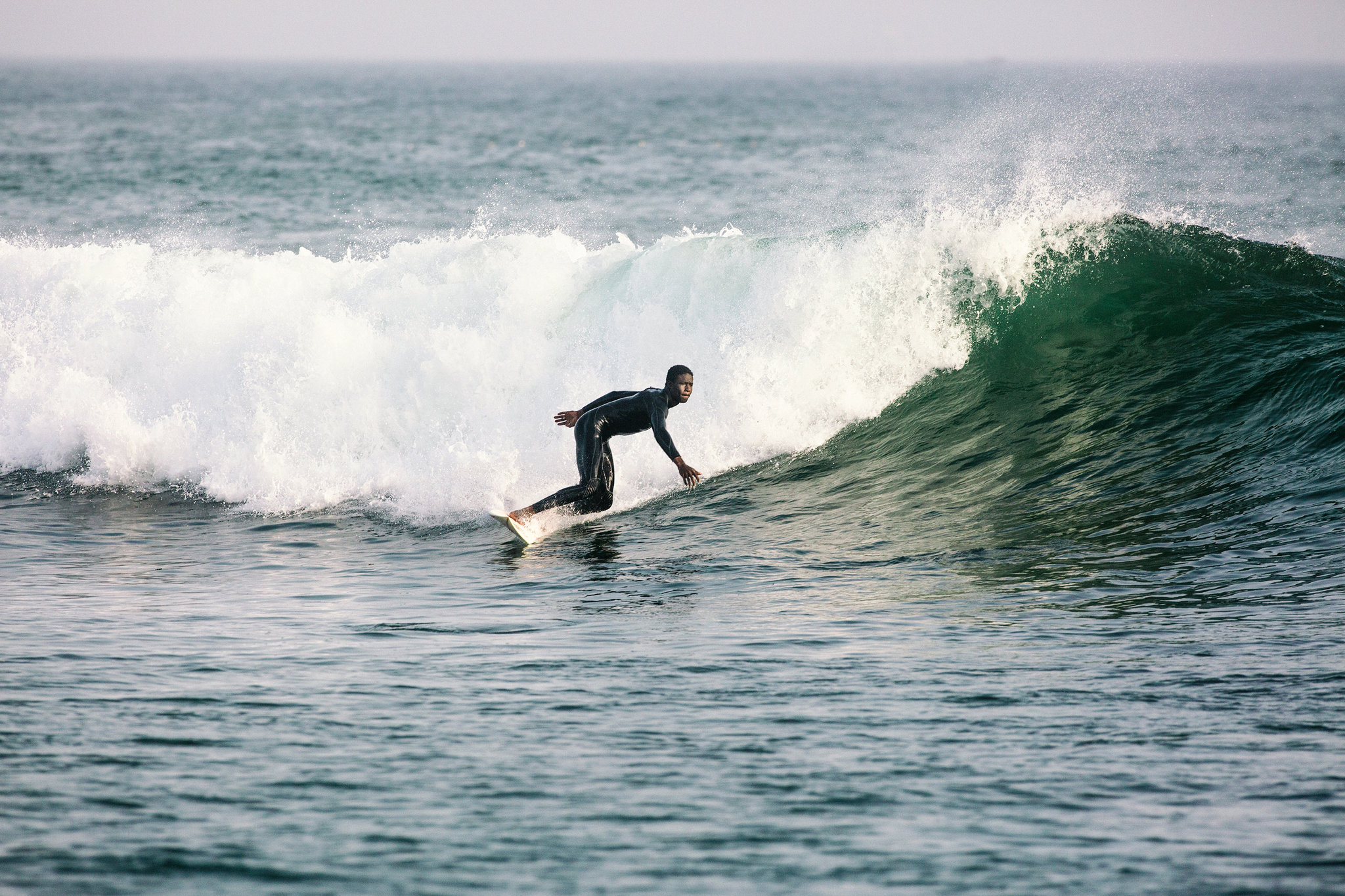
A surfer rides a perfect wave at one of Taghazout's famous point breaks in Morocco
Our 5 Favourite Surf Camps in Africa
The African surf camp scene has grown remarkably over the past decade, with camps ranging from budget-friendly hostels to boutique retreats. Here are five outstanding surf camps that we highly recommend for their quality of instruction, accommodation, and overall experience.
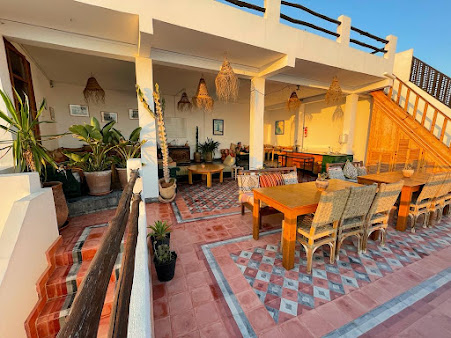
The welcoming terrace at Hash Point Surf Camp overlooking Taghazout Bay
Hash Point Surf Camp in Taghazout, Morocco, has earned a stellar reputation with a 4.7-star rating from over 175 Google reviews. This seafront villa offers a home-away-from-home atmosphere where guests from around the world connect over their shared passion for surfing. The camp provides free Wi-Fi, complimentary breakfast, a swimming pool, and direct beach access. Their experienced local guides know every break along the Moroccan coast, ensuring you'll find the perfect wave for your skill level.
Salt House Morocco stands out as a 100% Moroccan-owned surf camp in Tamraght, offering authentic all-inclusive coaching experiences. With over 360 happy guests, this camp specializes in surf coaching, surf guiding, longboard sessions, and yoga retreats. The combination of professional instruction and genuine Moroccan hospitality makes this an excellent choice for surfers looking to improve their skills while immersing themselves in local culture.
Local Surf Maroc has established itself as Morocco's coaching-first surf brand. Operating from Tamraght, they focus on small groups, daily video analysis, and leveraging local expertise to help surfers progress faster. Their methodical approach to surf instruction has made them a favorite among intermediate surfers looking to take their surfing to the next level.
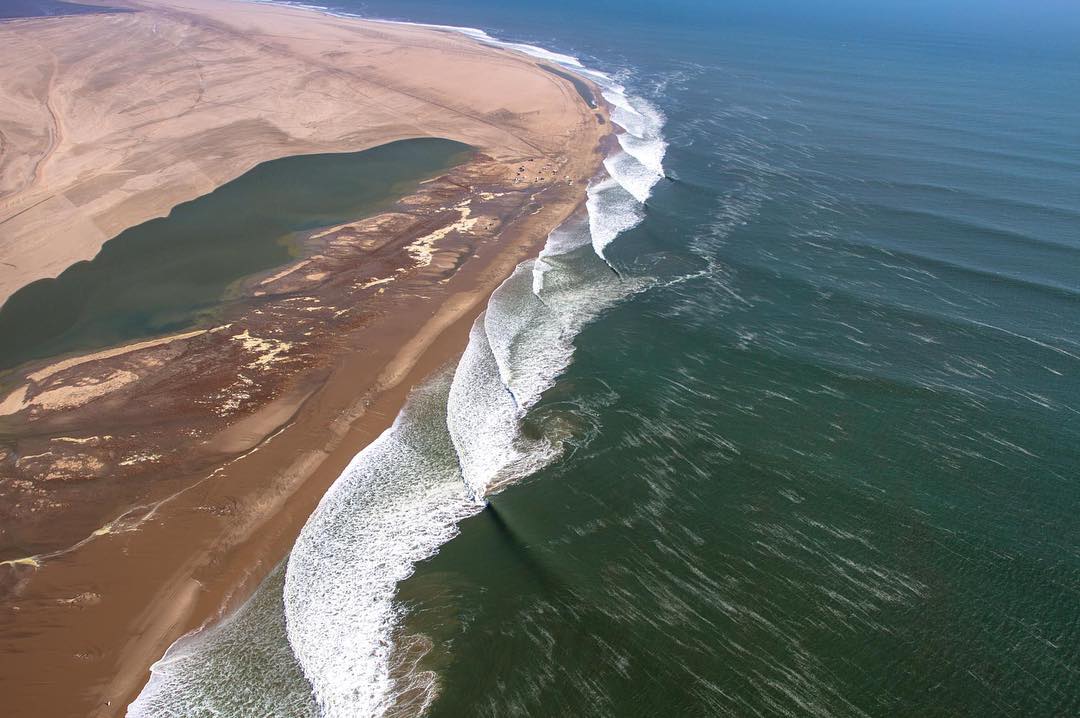
Salty Jackal in Swakopmund, Namibia, offers a completely different African surf experience. Located where the Namib Desert meets the Atlantic Ocean, this surf school and camp combines world-class waves with unique desert adventures. The dramatic landscape of Skeleton Bay and surrounding breaks provides an unforgettable backdrop for your surf sessions.
Secret Spot Backpackers International & Surf Camp in Ballito, South Africa, sits along the famous Dolphin Coast of KwaZulu-Natal. The clear, shallow waters here are perfect for learning, and you might even spot dolphins feeding just offshore. This camp offers excellent value and a welcoming atmosphere for solo travelers and groups alike.
Which Countries Offer Surfing in Africa?
Africa's coastline stretches over 30,000 kilometers, offering diverse surfing conditions across multiple countries. Here's a breakdown of the main surf destinations on the continent.
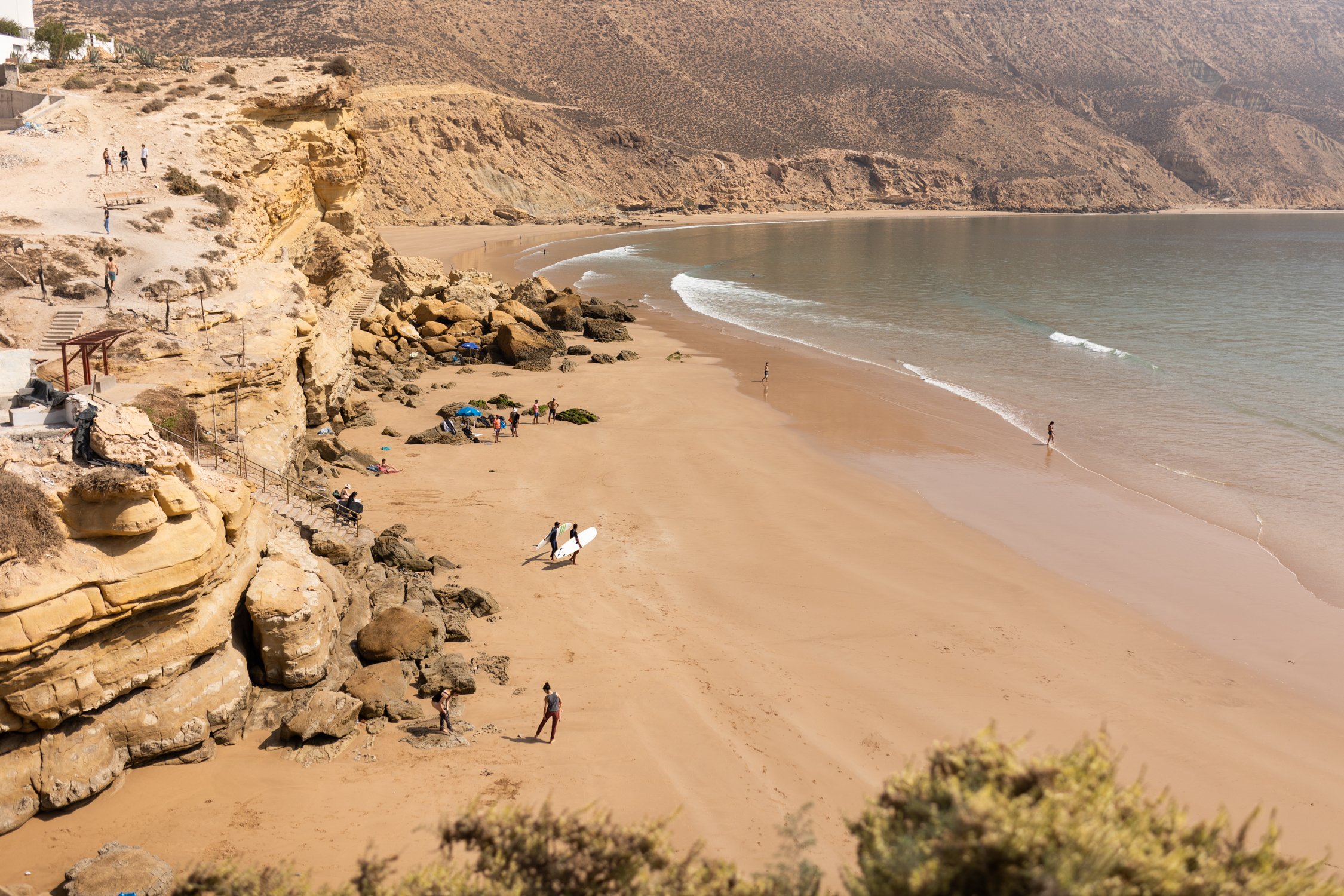
Morocco's rugged Atlantic coastline near Taghazout offers endless surf possibilities
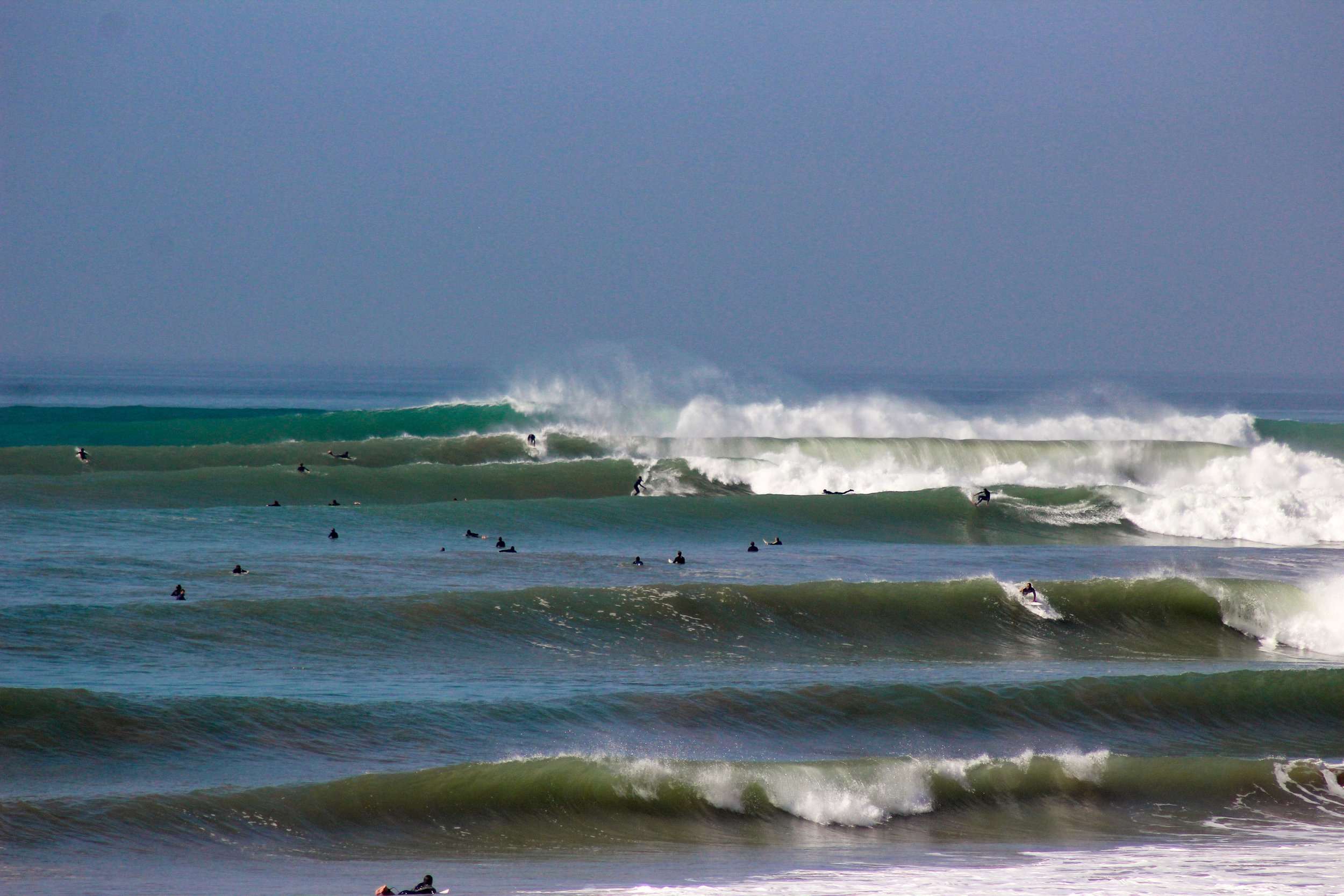
Morocco has emerged as Africa's premier surf destination and one of the world's top surf travel hotspots. The stretch of coastline from Agadir to Essaouira is packed with quality waves, with Taghazout serving as the epicenter of Moroccan surf culture. The region offers consistent right-hand point breaks from September through April, affordable prices, warm hospitality, and a well-developed surf camp infrastructure. Tamraght and Sidi Kaouki provide additional options for those seeking different vibes and wave types.
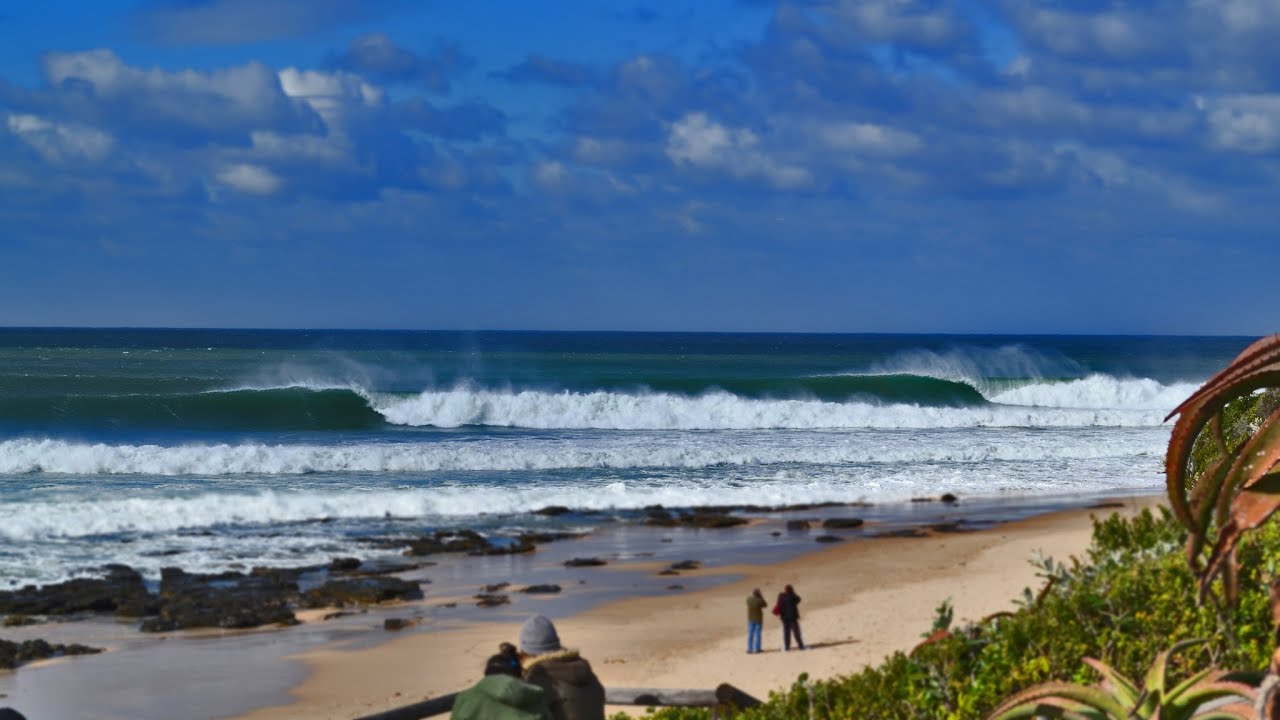
The legendary lineup at Jeffreys Bay, home to one of the world's best right-hand point breaks
South Africa boasts some of the world's most famous waves. Jeffreys Bay (J-Bay) is a legendary right-hand point break that can produce rides of over 300 meters when conditions align. The country offers incredible diversity, from the powerful beach breaks around Cape Town to the warm waters of KwaZulu-Natal on the east coast. Ballito has become a popular destination for surf camps, offering consistent waves and a more tropical climate than the Western Cape.
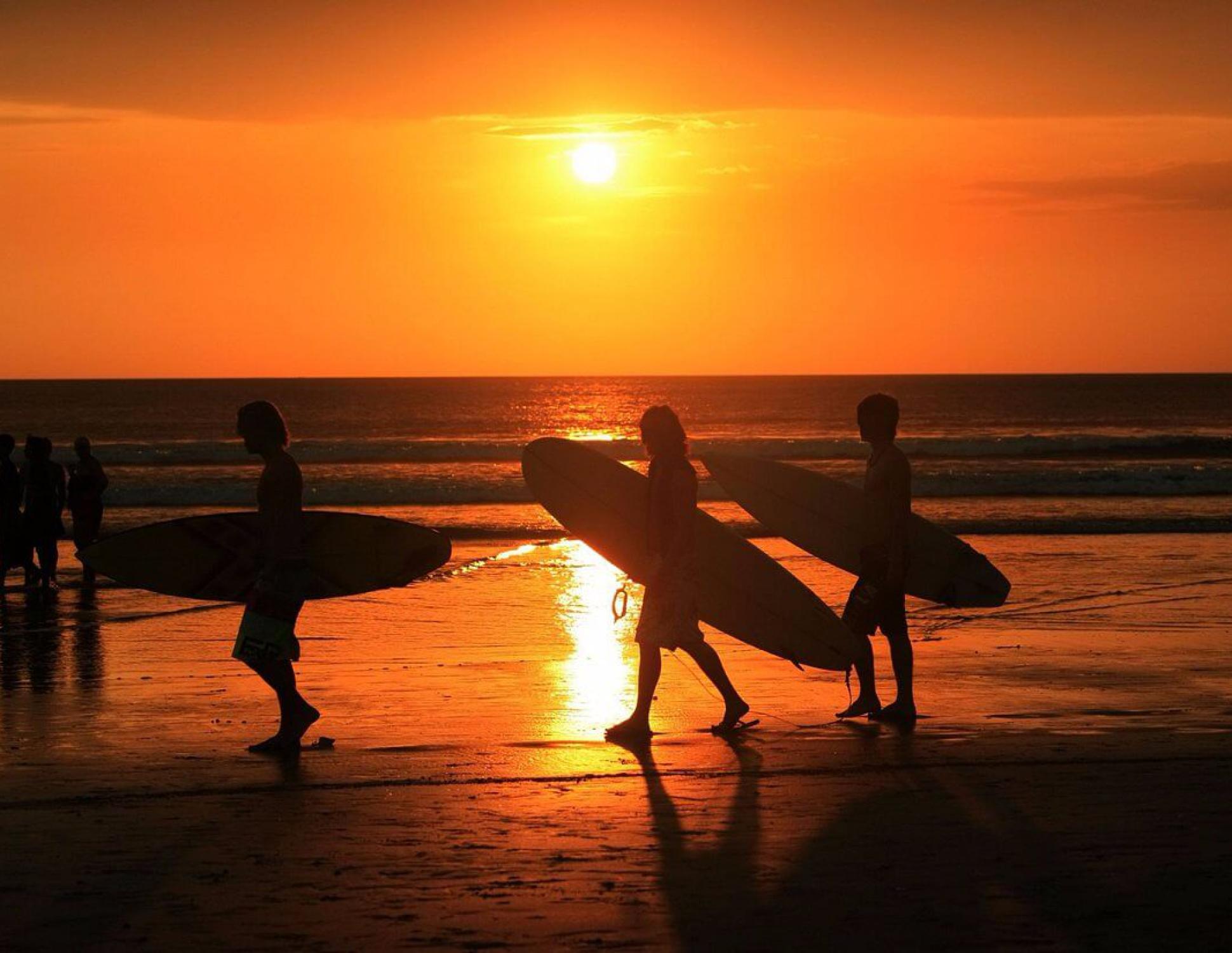
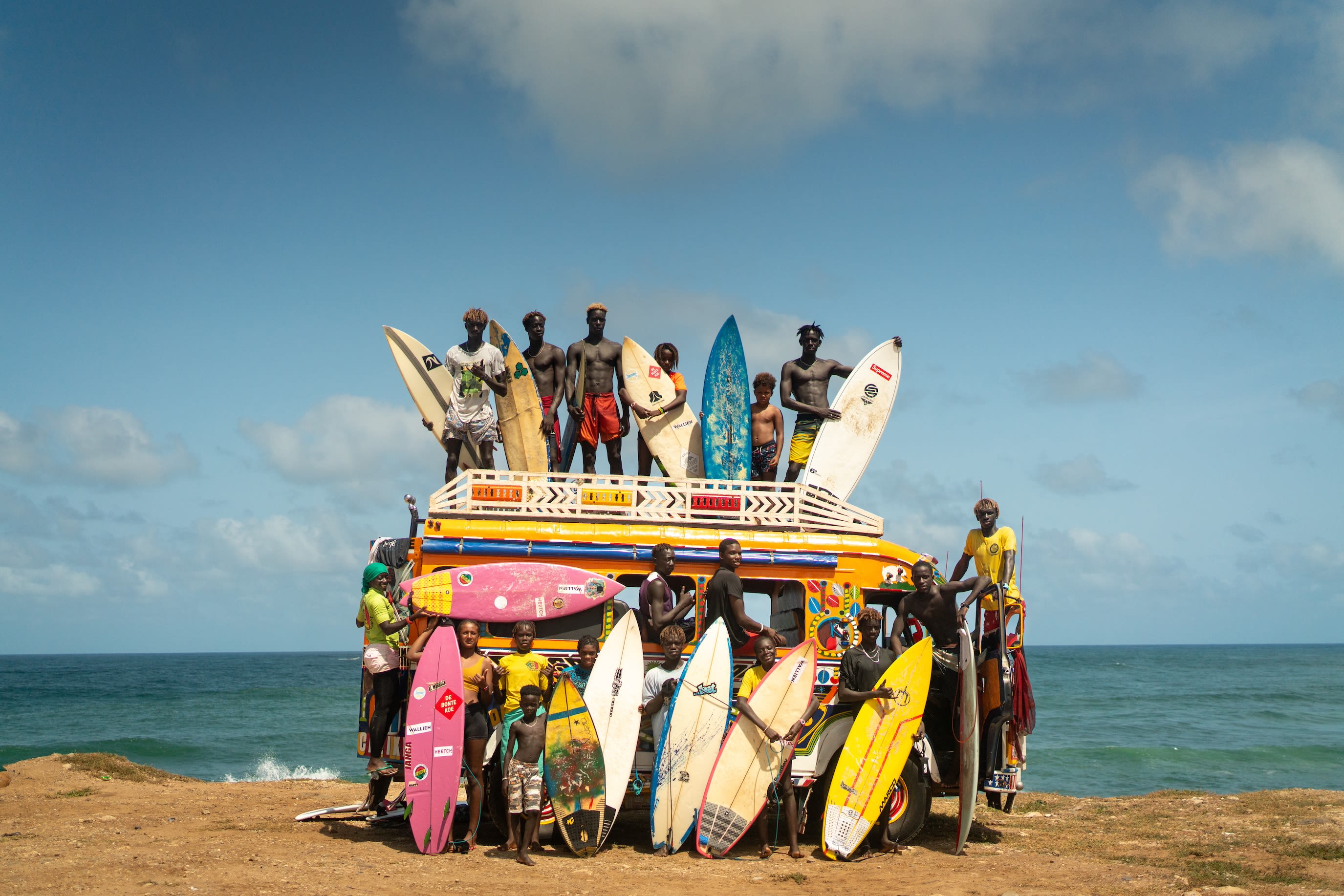
Local surfers catching waves in Senegal's warm tropical waters
Senegal represents West Africa's most accessible surf destination. Dakar and the surrounding coastline offer warm water, uncrowded waves, and a vibrant local surf scene. The famous Ngor Right, located off Ngor Island, is one of Africa's best right-hand point breaks. Somone provides a more relaxed atmosphere with excellent beginner-friendly waves and a growing number of surf camps.
Namibia offers one of surfing's most unique experiences. Swakopmund serves as the base for exploring the country's waves, including the legendary Skeleton Bay—one of the longest left-hand barrels on Earth. The juxtaposition of desert dunes and powerful Atlantic swells creates a surreal surfing environment unlike anywhere else.
Other African countries with surfing potential include Ghana, Kenya, Tanzania, Mozambique, and Madagascar. While these destinations have less developed surf camp infrastructure, they offer frontier surfing experiences for adventurous travelers willing to explore.
The Most Famous Surf Spots and Waves in Africa
Africa is home to several world-renowned surf breaks that attract surfers from around the globe. Understanding these waves helps you choose the right destination for your skill level and preferences.
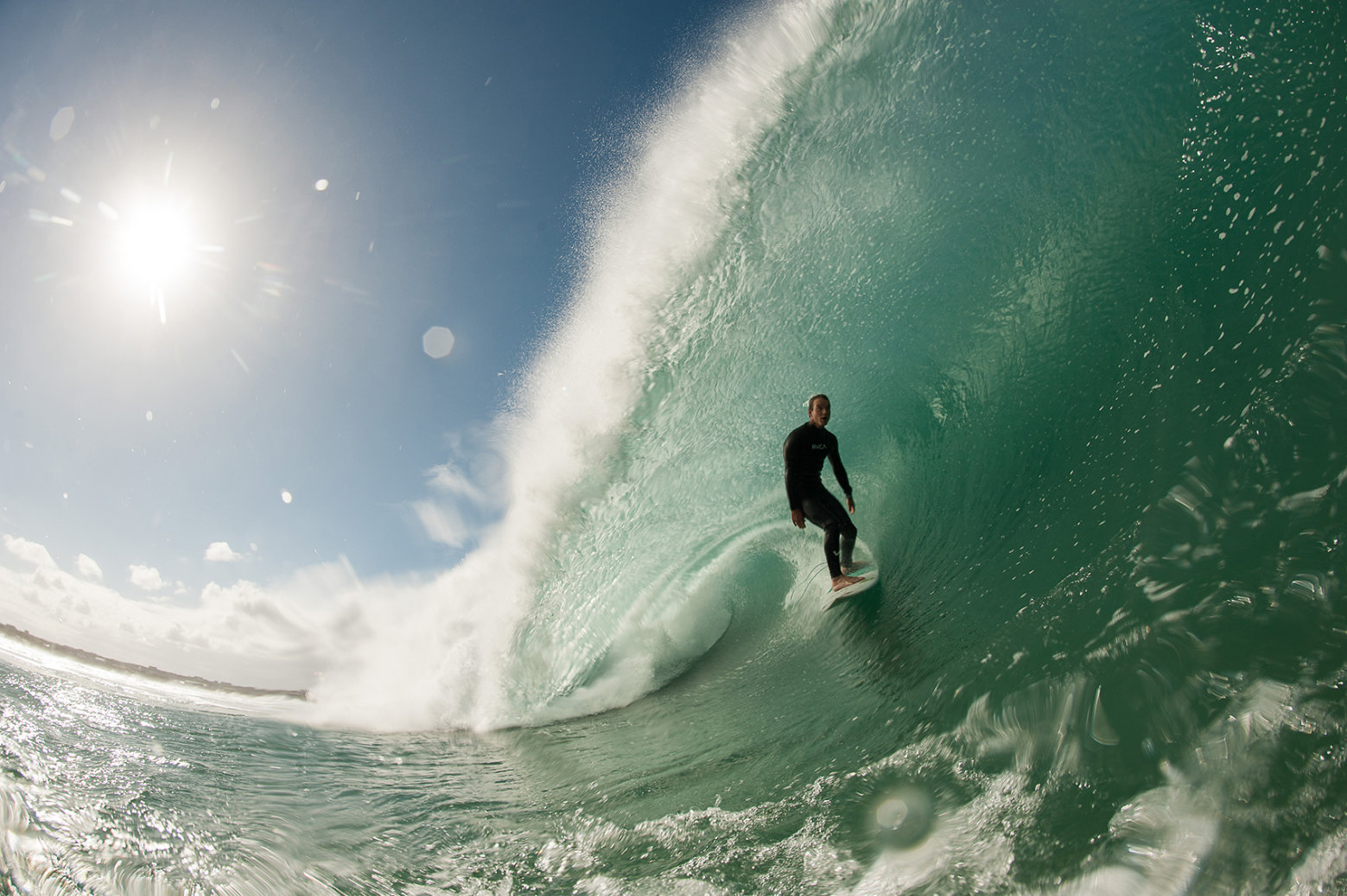
A surfer pulls into a perfect barrel at Supertubes, Jeffreys Bay
Anchor Point near Taghazout, Morocco, is considered one of the best right-hand point breaks in the world. When a solid northwest swell hits, this wave offers long, perfectly peeling walls that can connect through multiple sections. It's best suited for intermediate to advanced surfers and works best from October to March.
Killer Point sits just north of Anchor Point and delivers powerful, hollow waves that break over a rocky reef. This wave is not for the faint-hearted—it earned its name from the urchins that populate the reef. Advanced surfers will find some of Morocco's most challenging and rewarding waves here.
Supertubes at Jeffreys Bay is arguably Africa's most famous wave. This machine-like right-hander produces some of the longest, most perfect barrels on the planet. The wave has hosted numerous World Surf League events and remains a bucket-list destination for serious surfers. It fires best during the South African winter (June to August) when powerful groundswells arrive from the Southern Ocean.
The remote and powerful Skeleton Bay in Namibia, where the desert meets the Atlantic Ocean
Skeleton Bay in Namibia has gained legendary status since its discovery in 2008. This sand-bottom left-hand barrel can produce rides lasting over a minute, with some waves breaking for nearly two kilometers. The wave requires specific conditions and is extremely powerful, making it suitable only for expert surfers. The remote location, cold water, and challenging conditions add to its mystique.
Ngor Right in Senegal offers a more accessible world-class wave. This right-hand point break off Ngor Island near Dakar provides long, workable walls perfect for intermediate surfers. The warm water and consistent swell make it an excellent alternative to the more crowded breaks in Morocco and South Africa.
Dungeons near Cape Town is South Africa's premier big wave spot. Located in the shadow of the Sentinel mountain, this reef break can hold waves up to 60 feet and has hosted the prestigious Big Wave Tour. Only expert big wave surfers should attempt this wave.
Surf Scene in Africa
The vibrant surf scene in Dakar, where local and international surfers share the waves
The surf scene in Africa has experienced remarkable growth over the past two decades, transforming from a collection of secret spots known only to traveling surfers into a legitimate surf tourism destination with a thriving local community.
Morocco leads the way in terms of surf tourism development. The Taghazout-Tamraght corridor has evolved into a proper surf town with dozens of surf camps, schools, and related businesses. The local Moroccan surf community has grown significantly, with many former fishermen's children now working as surf guides and instructors. This organic growth has created an authentic surf culture that blends traditional Berber hospitality with international surf vibes. The Moroccan government has recognized surfing's economic potential, investing in infrastructure and promoting the country as a surf destination.
South Africa has a long-established surf culture dating back to the 1960s. The country has produced numerous world-class surfers and hosts international competitions regularly. While surf tourism is less developed than in Morocco, the quality of waves and the country's tourism infrastructure make it an attractive destination. The surf scene is concentrated around Cape Town, Durban, and Jeffreys Bay, each offering distinct experiences and wave types.
Senegal's surf scene is perhaps the most exciting in terms of growth potential. The country has a small but passionate local surf community, and organizations are working to make surfing more accessible to Senegalese youth. The combination of warm water, consistent waves, and rich culture is attracting increasing numbers of surf travelers seeking alternatives to more established destinations.
Namibia remains a frontier destination, with a small but dedicated surf community based around Swakopmund. The discovery of Skeleton Bay has put Namibia on the global surf map, though the challenging conditions mean it will likely remain a destination for experienced surfers rather than a mass tourism hotspot.
Across the continent, surfing is increasingly seen as a tool for community development and youth empowerment. Surf therapy programs, surf clubs, and grassroots initiatives are using the sport to create opportunities and build confidence among young Africans. This social dimension adds depth to the African surf experience, allowing visitors to connect with local communities in meaningful ways beyond simply riding waves.
The best time to surf in Africa varies by region. Morocco's prime season runs from September to April when consistent Atlantic swells arrive. South Africa's Eastern Cape (including Jeffreys Bay) fires best during winter (June-August), while the Western Cape works year-round. West African destinations like Senegal and Ghana receive the best waves from November to April. The Canary Islands (geographically African) offer consistent surf throughout the year with peak swells in autumn and winter.
Popular surf destinations in Africa are generally safe for travelers who take normal precautions. Morocco is very welcoming to tourists, with Taghazout and the surrounding area being well-established surf hubs. South Africa requires more awareness - avoid displaying valuables and research specific areas before visiting. Senegal and other West African destinations are increasingly popular and safe for surf tourism. Always travel with reputable surf camps, keep valuables secure, and follow local advice about areas to avoid.
Vaccination requirements vary by country. For Morocco, no specific vaccinations are required, but hepatitis A and typhoid are recommended. South Africa has no mandatory vaccines for most travelers. For West and East African destinations, yellow fever vaccination may be required, and malaria prophylaxis is recommended in some regions. Always consult a travel health clinic 6-8 weeks before your trip for personalized advice based on your itinerary and medical history.
Africa offers diverse water temperatures. Morocco ranges from 16-22°C, comfortable with a 3/2mm wetsuit most of the year. South Africa's waters vary significantly - the Eastern Cape is warmer (18-24°C) while Cape Town's Atlantic side is cold (10-16°C) requiring thicker wetsuits. West African destinations like Senegal enjoy warm tropical waters (24-28°C) where boardshorts or a spring suit suffice. The Canary Islands maintain pleasant temperatures of 19-24°C year-round.
Morocco offers exceptional value for surf travelers. Budget surf camps start from €250-400 per week including accommodation, breakfast, and surf guiding. Mid-range all-inclusive packages with coaching, meals, and comfortable accommodation typically cost €500-800 per week. Premium surf retreats with private rooms and personalized instruction range from €900-1,500 per week. Daily expenses outside of packages are very affordable - meals cost €3-10, and local transport is cheap.
Africa caters to all skill levels. Morocco's Taghazout area has gentle beach breaks perfect for beginners alongside world-class point breaks for advanced surfers. South Africa offers everything from mellow learner waves to challenging reef breaks. The key is choosing the right spot for your ability. Many African surf camps offer lessons and guiding to help you find appropriate waves. Beginners should stick to established surf schools, while experienced surfers can explore more remote breaks.
Morocco has an excellent selection of surf camps, particularly around Taghazout, Tamraght, and Agadir. Options range from budget hostels with surf packages to luxury boutique retreats. Most camps offer all-inclusive deals covering accommodation, meals, surf lessons or guiding, and equipment rental. The surf camp scene is well-developed with professional instruction, video analysis, and yoga sessions commonly available. Book in advance during peak season (December-February) as popular camps fill quickly.
South Africa boasts world-class waves. Jeffreys Bay (J-Bay) is legendary - a perfect right-hand point break that can offer rides of 300+ meters. Cape Town's coastline features powerful beach breaks and big wave spots like Dungeons. The Wild Coast offers uncrowded adventure surfing. Durban has consistent beach breaks and warm water. For intermediates, spots like Muizenberg offer gentle waves perfect for progressing. Advanced surfers should explore the Eastern Cape's numerous quality point breaks.
Citizens of the EU, UK, USA, Canada, and Australia can enter Morocco visa-free for up to 90 days. South Africa allows visa-free entry for up to 90 days for citizens of most Western countries. Always ensure your passport is valid for at least 6 months beyond your planned departure date. Check the latest requirements before traveling, as visa policies can change. For longer surf trips, some travelers do visa runs to neighboring countries to reset their stay.
For Morocco: pack a 3/2mm wetsuit (4/3mm for winter), reef booties, sunscreen, and modest clothing for town visits. For South Africa: bring wetsuits ranging from 3/2mm to 4/3mm depending on the coast and season. For tropical West Africa: boardshorts, rash guards, and reef booties are sufficient. Universal essentials include a good first aid kit, any prescription medications, insect repellent, and a headlamp for early morning sessions. Most surf gear can be rented locally in established surf towns.
African surf camps generally offer excellent food. Moroccan camps serve delicious tagines, couscous, fresh bread, and mint tea - the cuisine is a highlight of any trip. South African camps provide hearty meals with excellent local produce and braai (BBQ) culture. Most camps cater to dietary requirements including vegetarian and vegan options. The combination of post-surf hunger and flavorful local cuisine makes meals memorable. Many camps include breakfast and dinner in their packages.
Absolutely! South Africa is perfect for combining world-class surfing with incredible wildlife experiences. Surf the Eastern Cape then visit nearby game reserves, or combine Cape Town surfing with a trip to Kruger National Park. Some tour operators offer dedicated surf-safari packages. In East Africa, you could surf in Mozambique and visit nearby national parks. This combination makes Africa unique among surf destinations - where else can you ride perfect waves and see the Big Five on the same trip?