Get surf stoke with Raglan Surf School. Our expert instructors offer group & private lessons for all skill levels, plus packages & hire.
Surf Camps in Raglan
Raglan is a world-renowned surf destination on New Zealand's North Island, famous for its incredibly long left-hand point breaks. This laid-back town offers a variety of waves, from the challenging Indicators to the beginner-friendly Ngarunui Beach.
Raglan: A Surfer's Dream
Raglan, a small town on the west coast of New Zealand's North Island, is a legendary surf destination. It gained international fame after being featured in the iconic 1966 surf film, "The Endless Summer." Today, it remains a must-visit spot for surfers from all over the world, known for its laid-back vibe and, most importantly, its incredibly long left-hand point breaks.
The Waves
Raglan's surf is centered around three world-class point breaks:
-
Manu Bay: The most famous of the three, Manu Bay offers a long, consistent left-hand wave that can hold large swells. It's a dream for intermediate to expert surfers, but be prepared for a competitive lineup.
-
Whale Bay: Just a bit further down the coast, Whale Bay is a slightly more mellow wave than Manu Bay, but still best suited for intermediate surfers. It offers a fun, rippable wave that can get hollow on the right swell.
-
Indicators: The longest and most challenging of the three points, Indicators is for experienced surfers only. On a good day, it can offer rides of several hundred meters, and the holy grail for any surfer in Raglan is to connect a wave from Indicators all the way through to Manu Bay.
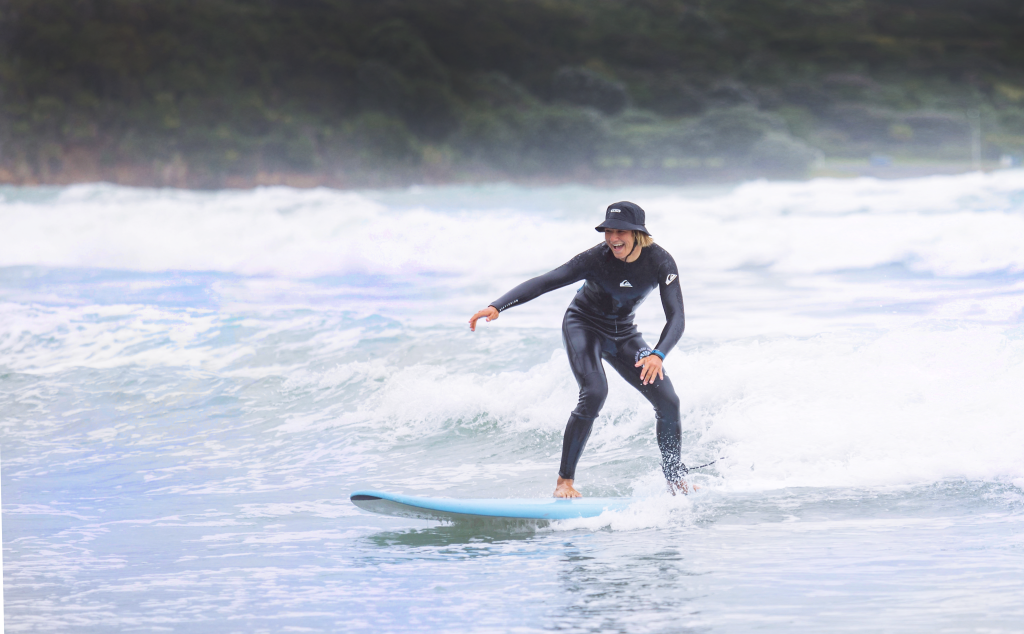
For beginners, Ngarunui Beach is the place to be. This long, sandy beach break offers a variety of peaks with a sand bottom, making it a safe and fun place to learn.
Best Time to Surf
Raglan offers consistent surf year-round. The dominant swell direction is from the southwest, generated by storms in the Southern Ocean. The summer months (December-February) offer warmer water and smaller, more playful waves, while the winter (June-August) brings larger, more powerful swells. You'll need a wetsuit year-round, with a 3/2mm in the summer and a 4/3mm in the winter.
What Makes Raglan Unique?
Besides the world-class waves, Raglan's charm lies in its relaxed, bohemian atmosphere. The town is full of artists, musicians, and surfers, creating a vibrant and welcoming community. The stunning natural beauty of the area, with its black sand beaches and lush green hills, only adds to the appeal. Whether you're a seasoned pro or a complete beginner, Raglan has something to offer every surfer.
The best time to surf in Raglan really depends on your skill level and preferences. Summer, from December to March, offers warmer water temperatures and a fun, festive atmosphere. The waves are generally smaller and more manageable, making it ideal for beginners and intermediate surfers. If you're an experienced surfer looking for bigger, more powerful waves, the winter months from May to September are your best bet. This is when the legendary left-hand point breaks at Manu Bay, Whale Bay, and Indicators really come to life. However, Raglan is known for its year-round consistency, so you can find good waves almost any time you visit.
Raglan caters to all skill levels, from complete beginners to seasoned pros. If you're new to surfing, the gentle, sandy-bottomed waves at Ngarunui Beach are the perfect place to learn. For intermediate surfers, Whale Bay offers a more mellow point break experience. Advanced and expert surfers will be in their element at the world-class point breaks of Manu Bay and Indicators, which offer long, challenging rides. There are several excellent surf schools in Raglan, such as Raglan Surf School and Green Wave Raglan, that can help you find the right waves for your ability.
Raglan is famous for its three world-class left-hand point breaks. Manu Bay, the closest to town, is a consistent and popular spot for intermediate to advanced surfers. Whale Bay is a slightly more mellow point break, perfect for intermediates looking to step up their game. Indicators is the most challenging of the three, offering long, fast, and hollow waves for experienced surfers only. For beginners, Ngarunui Beach is the go-to spot, with its gentle, sandy-bottomed waves and consistent surf.
Absolutely! Raglan is an excellent place for beginners to learn to surf. Ngarunui Beach, in particular, is a beginner's paradise with its gentle, rolling waves and sandy bottom. There are also several fantastic surf schools in Raglan that offer lessons and coaching for all levels. You can find more information about learning to surf in Raglan on our Waikato surf page.
Water temperatures in Raglan vary throughout the year. In the summer (December to March), the water is at its warmest, ranging from 18-22°C (64-72°F). A 3/2mm wetsuit is usually sufficient during this time. In the winter (May to September), the water is colder, and a 4/3mm wetsuit is recommended. You might also want to consider booties, especially when surfing the point breaks, as the rocks can be sharp.
For your surf trip to Raglan, you'll definitely want to pack your wetsuit. A 3/2mm for the summer and a 4/3mm for the winter should have you covered. Booties are also a good idea for the rocky point breaks. Of course, you'll need your surfboard, but if you don't have one, you can easily rent one in town. Other essentials include swimwear, a towel, and plenty of high-SPF sunscreen. For more packing tips, check out our New Zealand/Oceania surf guide.
A surf trip to Raglan can be as budget-friendly or as luxurious as you want it to be. A dorm bed in a hostel can cost as little as $25 per night, while private rooms and hotels will be more expensive. Surf lessons typically range from $80 to $120 for a group lesson. You can save money by renting a surfboard for around $50 per day instead of bringing your own. Food costs can also vary, with options ranging from cheap and cheerful fish and chips to more upscale dining experiences.
What is the local culture like in Raglan?
Raglan has a unique and vibrant culture that's often described as a