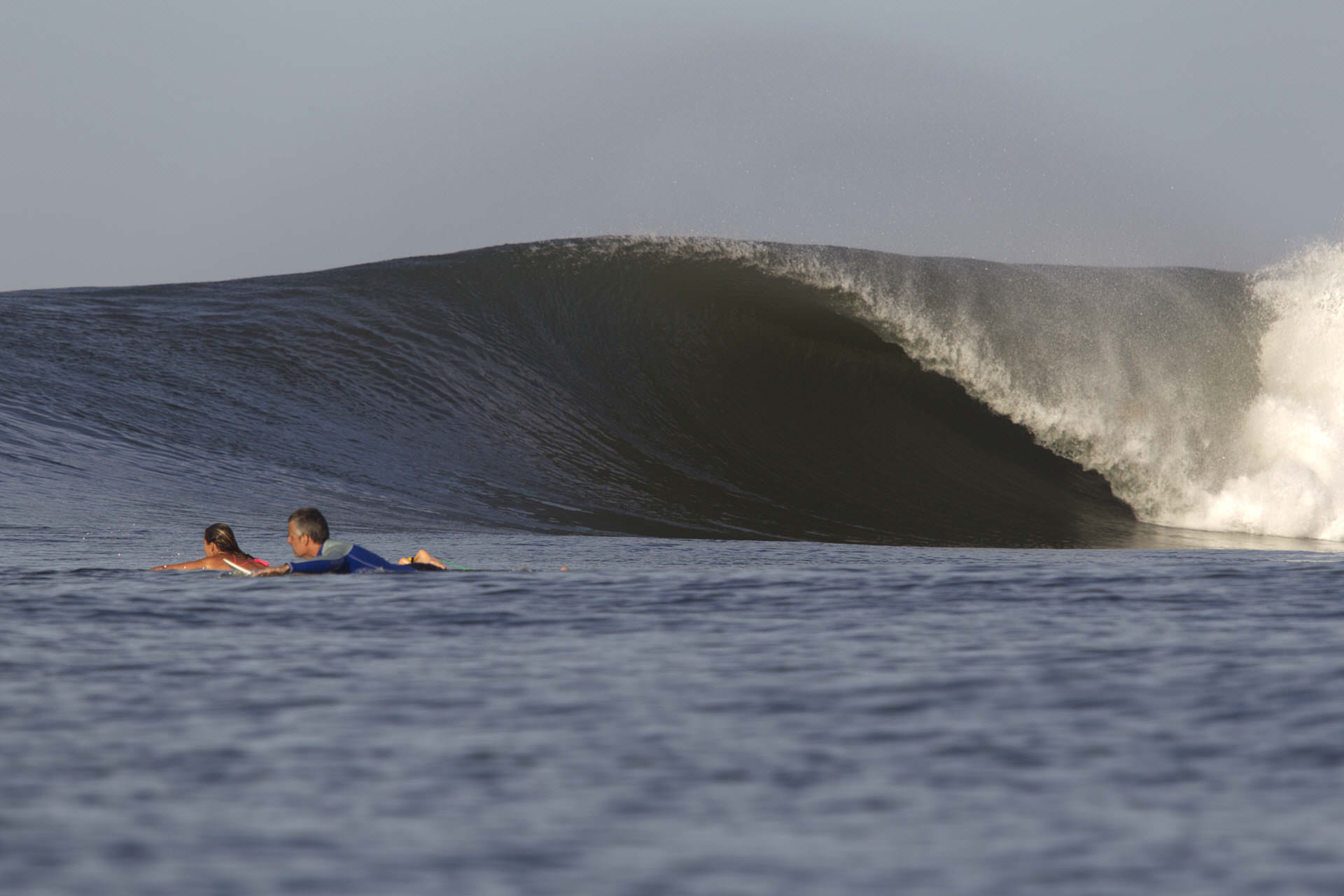
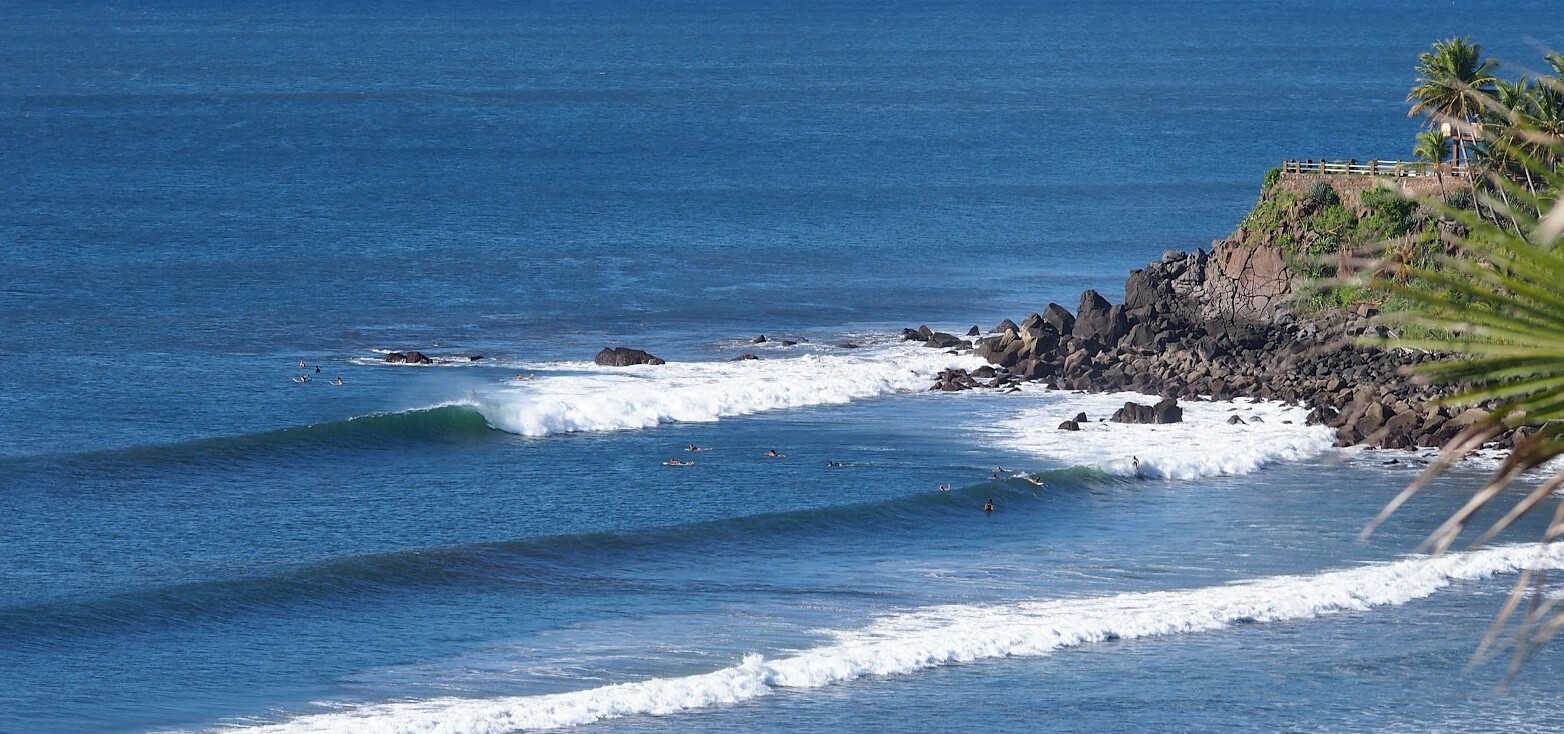
Azul Surf Club offers four unique properties for surfers, travelers & families to enjoy Playa El Cuco, Las Flores, Toro de Oro & Punta Mango. Surf with Us!
Costeño Beach Hostel is a unique refuge on the Caribbean coast of Colombia, near Santa Marta and Tayrona Park. Experience the magic of the beach, the jungle, and an unforgettable adventure. Book Now!
The Las Flores Beach Hotel & Surf Club is a boutique luxury beach resort in El Salvador featuring ocean-view suites, gourmet cuisine, spa treatments, world-class surfing, yoga retreats, kayaking, Eco-adventures and much much more!
Located just 3 hours from Santiago de Chile and 2 kilometers from Pichilemu. Wolf tip is a beach surrounded by impressive cliffs frequented by marine wolves, hence its name. According to the time of the year the waves can range between 2 or 10 meters high. In 2013 she was appointed World Surf reserve and the Quiksilver Big Wave championship is celebrated every year attracting the best surfers. They offer surf classes with professors with more than 10 years of experience or surf Trips to Puertecillo and othe
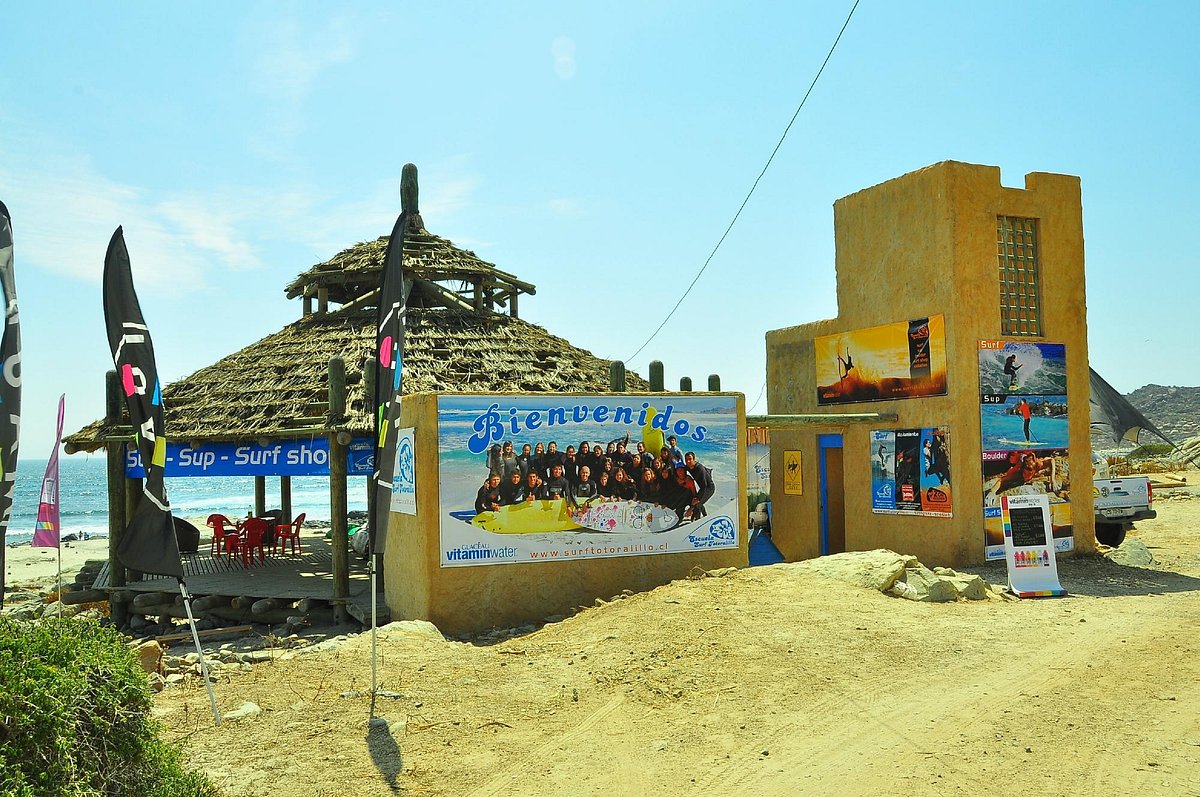
Located in Maitencillo, in the commune of Puchacaví and in the Valparaíso region of Chile. Maitencillo has a wide coast with beaches for all tastes. Surf's practice has been rooted strongly being part of Maitencillo's identity. The School Maitencillo Surf is the oldest in Puchacaví. They have been teaching since 2000, with more than 10,000 clients per season, both in the field of schools, universities and companies and private. They offer personalized classes with a high standard of security and experience.
Established in 2001, Waterman Camp stands as the premier water and surf camp provider in Los Angeles. Offering a diverse range of athletic camps, clinics, and surf camp activities, Waterman Camp has become synonymous with creating phenomenal camp experiences for children of all ages, genders, and athletic abilities. At the heart of Waterman Camp is a mission built on the belief that every child deserves a phenomenal camp experience. Regardless of gender, age, or athletic ability, Waterman Camp focuses on c...
South America, a continent of dramatic landscapes and vibrant cultures, offers a surf camp scene as diverse as its geography. From the legendary left-hand point breaks of Peru to the warm, tropical waters of Brazil, the continent is a paradise for surfers of all levels. The surf camp culture here is deeply intertwined with a sense of adventure and a laid-back lifestyle. Camps range from rustic, eco-friendly lodges nestled in the jungle to luxurious beachfront resorts, all united by a passion for waves and a warm, welcoming atmosphere.
The South American surf scene is characterized by its authenticity and adventure. Many of the continent's best waves are found in remote locations, requiring a spirit of exploration to reach. This sense of adventure is part of what makes surfing in South America so special – it's not just about the waves, but about the journey to find them.
Peru's legendary left-hand point breaks attract surfers from around the world.
Located at the world's longest left-hand wave, Chicama Surf Resort offers an unforgettable Peruvian surf experience. The wave can connect for over 2 kilometers on the right swell, making it a bucket-list destination for surfers. Google rating: 4.9★
In Ecuador's famous surf town, this camp offers consistent waves and a vibrant party atmosphere. The warm water and friendly community make it a favorite among traveling surfers. Google rating: 4.6★
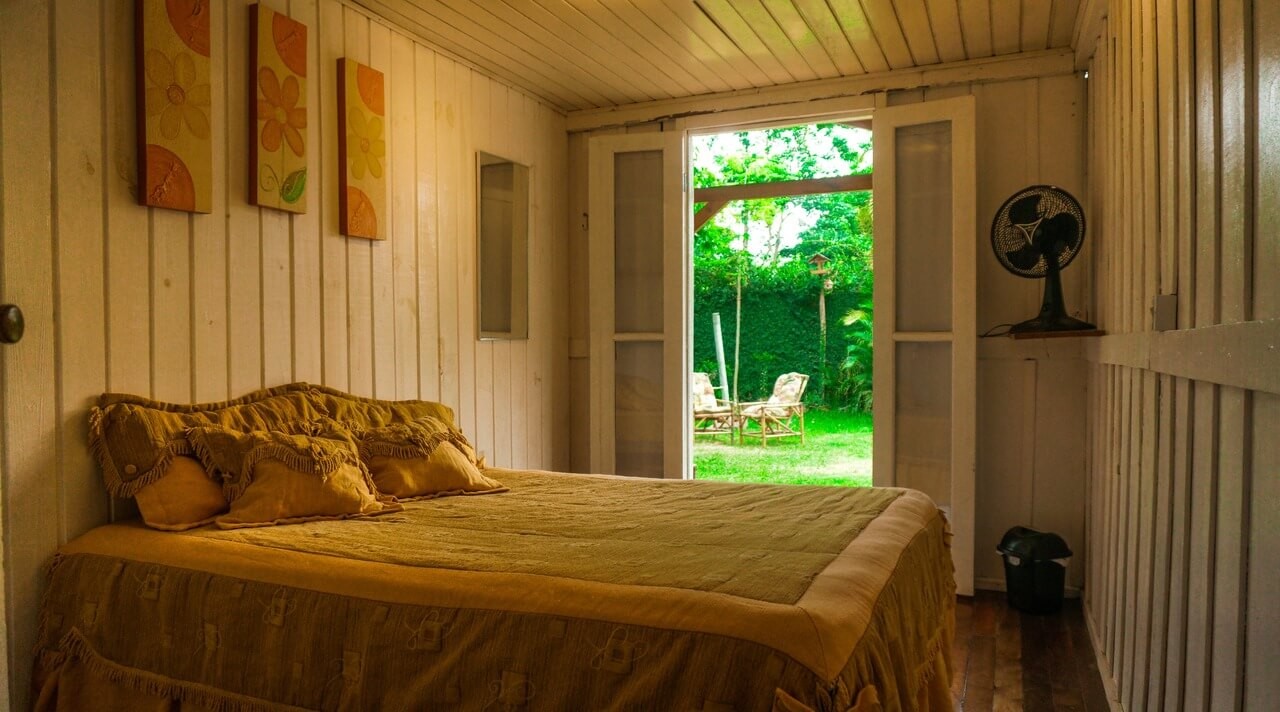
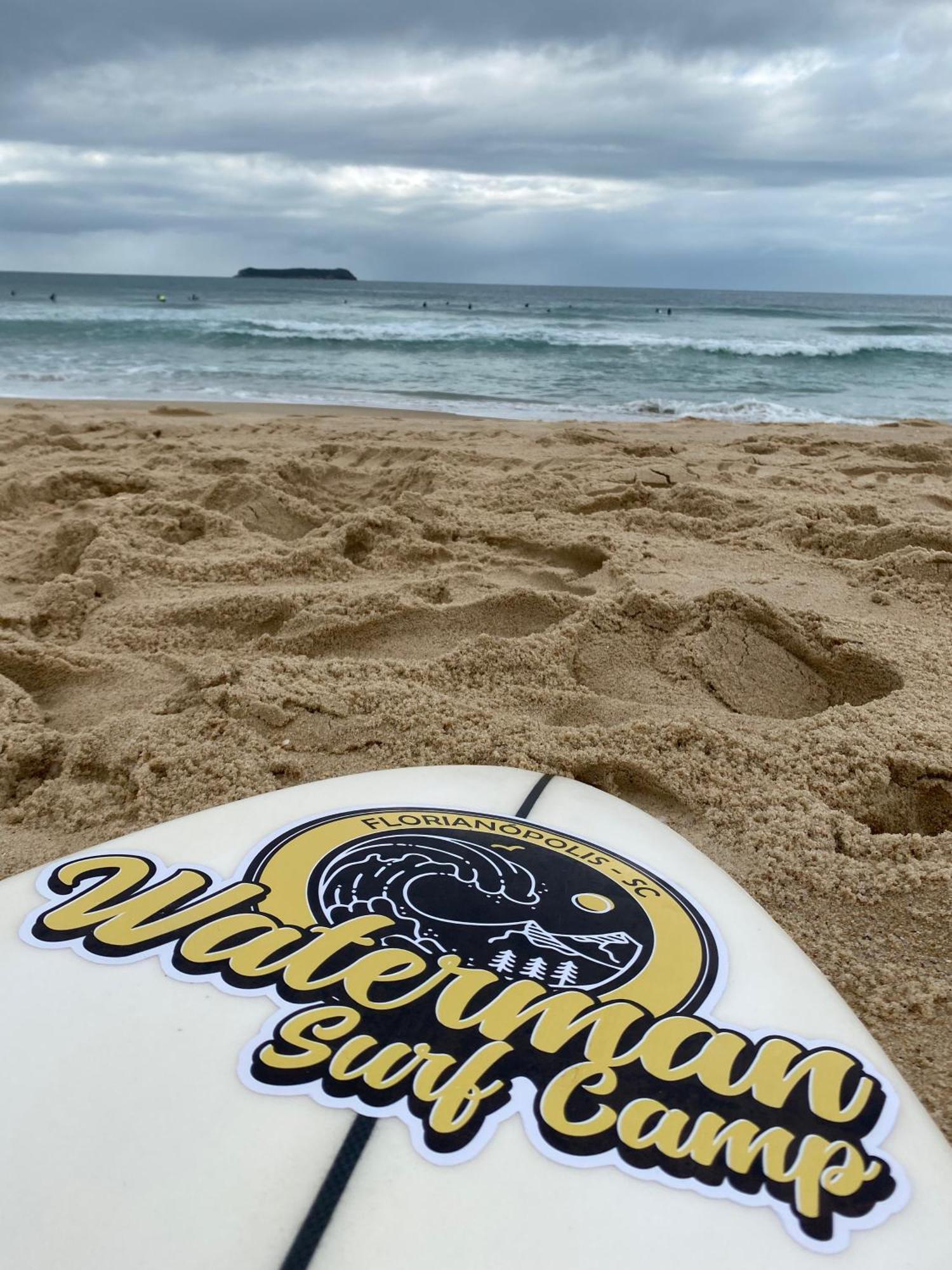
On Brazil's beautiful Santa Catarina Island, this camp offers access to numerous quality waves and the famous Brazilian beach lifestyle. The consistent swells and warm water make it ideal for all levels. Google rating: 4.7★
Chile's surf capital offers powerful waves and a dedicated surf community. This hostel provides comfortable accommodation and local knowledge to help you score the best waves. Google rating: 4.8★
In Colombia's remote Pacific coast, Nuquí offers uncrowded waves and authentic jungle adventure. The combination of surfing and wildlife makes it a unique destination. Google rating: 4.7★
Brazil's extensive coastline offers waves for every level of surfer.
Brazil has the largest surf population in South America and one of the most vibrant surf cultures in the world. The country's extensive coastline offers incredible variety, from the powerful beach breaks of Rio de Janeiro to the consistent waves of Santa Catarina and the tropical paradise of Fernando de Noronha. Brazilian surfers are known for their aggressive, high-performance style, and the country has produced numerous world champions.
The surf scene in Brazil is energetic and social, with a strong emphasis on competition and progression. Surf camps and schools are found throughout the coastal regions, offering instruction for all levels. The warm water, consistent waves, and famous Brazilian hospitality make it an attractive destination for surf travelers.
Chile's long, narrow coastline offers diverse surf experiences, from the powerful point breaks of the central coast to the cold water waves of the south. Pichilemu is the country's surf capital, home to the famous Punta de Lobos, a world-class left-hand point break that has hosted international competitions. The Chilean surf scene is dedicated and passionate, with a strong local community.
The country's dramatic landscapes – from the Atacama Desert in the north to the glaciers of Patagonia in the south – add an extra dimension to any surf trip. Chile offers a unique combination of adventure, culture, and world-class waves.
Ecuador's Pacific coast offers consistent waves and a laid-back surf culture. Montañita is the country's main surf hub, a vibrant beach town known for its party atmosphere and friendly community. The waves here are suitable for all levels, with beach breaks and point breaks within easy reach.
Ecuador's affordable prices, warm water, and welcoming locals make it an attractive destination for budget-conscious surf travelers. The country also offers incredible biodiversity, with opportunities to explore the Amazon rainforest and the Galápagos Islands.
Colombia's surf scene is emerging rapidly, with waves on both its Pacific and Caribbean coasts. The Pacific coast around Nuquí offers uncrowded waves in a remote, jungle setting, while the Caribbean coast provides more accessible beach breaks. The country's improving safety situation and growing tourism infrastructure are making it an increasingly popular destination.
Colombian surf culture is characterized by its warmth and hospitality. The country's rich culture, delicious food, and stunning natural beauty make it an exciting destination for adventurous surf travelers.
Chile's Punta de Lobos is one of the best left-hand point breaks in the world.
The Most Famous Surf Spots and Waves in South America
Chicama, Peru
Chicama is the longest left-hand wave in the world, capable of producing rides over 2 kilometers long on the right swell. This legendary wave attracts surfers from around the globe and is a bucket-list destination for any serious wave rider.
Punta de Lobos, Chile
Punta de Lobos is a world-class left-hand point break that has hosted international big wave events. The powerful, cold water waves and dramatic cliff setting make it one of South America's most impressive surf spots.
Fernando de Noronha, Brazil
This volcanic archipelago off Brazil's northeast coast offers perfect waves in a pristine marine environment. The islands are a UNESCO World Heritage Site, and access is limited to protect the fragile ecosystem.
Montañita, Ecuador
Montañita offers consistent beach breaks and point breaks suitable for all levels. The town's vibrant atmosphere and affordable prices make it a favorite among traveling surfers.
Máncora, Peru
Máncora is a long left-hand point break in northern Peru that offers fun, accessible waves for intermediate surfers. The warm water and consistent swell make it a popular destination.
Surf Scene in South America
The South American surf scene is characterized by its passion, energy, and sense of adventure. Brazil dominates the continental surf culture, with its large population of surfers and numerous world-class competitors. But each country offers its own unique flavor, from the dedicated point break hunters of Peru and Chile to the laid-back beach culture of Ecuador.
The growth of surf tourism in South America has been significant in recent years, with new surf camps and schools opening throughout the continent. This growth has brought economic benefits to coastal communities while also raising awareness about the importance of environmental protection.
South American surf culture is deeply connected to the continent's broader cultural identity – passionate, warm, and full of life. A surf trip here is as much about experiencing the local culture as it is about riding waves.
South America's surf seasons vary by coast. Peru and northern Chile receive consistent swells year-round, with the largest waves from April to October (Southern Hemisphere winter). Brazil's northeast coast works best from September to February. Ecuador has two seasons - the north coast fires from December to April, while the south works from May to November. Argentina and southern Chile receive powerful swells in autumn and winter. The continent offers waves somewhere at any time of year.
Peru is one of South America's premier surf destinations, with a long coastline facing the Pacific Ocean. The country receives consistent swells year-round and has waves for all levels. Lima has urban surf breaks within the city. Chicama is famous for having the world's longest left-hand wave (up to 4km rides). Máncora in the north offers warm water and beginner-friendly waves. Punta Hermosa and Huanchaco are other popular spots. Peru combines excellent waves with incredible culture, history, and food.
South America offers good value for surf travelers. Peru and Ecuador are very affordable - budget accommodation costs $15-30 per night, and meals are $5-10. Surf camp packages range from $400-800 per week. Brazil is more expensive, similar to European prices. Chile varies by region but is generally mid-range. Argentina offers good value outside of peak tourist areas. The weak currencies in many South American countries make it affordable for travelers from the USA and Europe.
Most Western tourists can visit South American countries visa-free. Peru, Ecuador, Chile, Argentina, and Colombia allow 90-day tourist stays without a visa for citizens of the USA, Canada, EU, UK, and Australia. Brazil requires an e-visa for US citizens ($80) but allows visa-free entry for many other nationalities. Always check current requirements as policies change. Ensure your passport has at least 6 months validity. Some countries require proof of onward travel or sufficient funds.
Water temperatures vary dramatically along South America's coasts. Northern Peru and Ecuador have warm tropical waters (24-28°C) - boardshorts are fine. Central and southern Peru are surprisingly cold (14-20°C) due to the Humboldt Current, requiring a 3/2mm or 4/3mm wetsuit. Chile's waters are cold (10-18°C), similar to California. Brazil's northeast is warm (26-29°C), while the south is cooler. Argentina's coast is cold, requiring thick wetsuits. Always research your specific destination.
Brazil has excellent waves along its extensive coastline. Fernando de Noronha is a pristine island with world-class waves and limited crowds. Florianópolis in the south has powerful beach breaks and a vibrant surf scene. Itacaré in Bahia offers tropical surf with rainforest backdrop. Saquarema near Rio hosts professional contests. The northeast (Natal, Fortaleza) has consistent waves and warm water. Brazil's surf culture is passionate and welcoming, with a unique blend of beach lifestyle and Brazilian energy.
Ecuador is excellent for beginners, particularly the town of Montañita, which has become a surf hub with numerous schools and camps. The waves are generally mellow, the water is warm, and instruction is affordable. Nearby Ayampe and Puerto López offer quieter alternatives. The Galápagos Islands have surf but are better suited to experienced surfers. Ecuador's compact size means you can combine surf lessons with visits to the Andes, Amazon, or colonial cities like Quito.
Yes, the Galápagos Islands have surf, though it's not the primary reason most people visit. San Cristóbal Island has the most accessible waves, with breaks like Tongo Reef and Carola Beach. The surf is best from December to May when warmer waters and southern swells arrive. Expect to share the lineup with sea lions! Surfing in the Galápagos requires advance planning due to park regulations and limited tourism infrastructure. Most surfers combine a few surf sessions with wildlife watching.
Packing depends on your destination. For warm water areas (northern Peru, Ecuador, Brazil): boardshorts, rash guards, reef booties, and strong sunscreen. For cold water areas (central/southern Peru, Chile): 3/2mm to 4/3mm wetsuit, booties, and potentially a hood. Universal items include insect repellent, a good first aid kit, any medications you need, and travel insurance. Spanish language skills are helpful throughout South America (Portuguese in Brazil). Most surf gear can be rented in established surf towns.
Popular surf destinations in South America are generally safe for tourists who take normal precautions. Peru's surf towns are welcoming and accustomed to visitors. Ecuador's Montañita is a backpacker hub with good infrastructure. Brazil requires more awareness - avoid displaying valuables and research specific areas. Chile is one of the safest countries in South America. Stick to established surf areas, use reputable transport, and follow local advice. Petty theft can occur, so use hotel safes and be aware of your surroundings.
Transport options vary by country. Peru has excellent long-distance buses connecting surf towns along the coast - comfortable and affordable. Ecuador is compact enough to travel by bus or taxi. Brazil's size makes domestic flights practical for covering long distances. Chile has good roads for self-driving. Renting a car gives flexibility but isn't always necessary. Many surf camps offer airport transfers and transport to nearby breaks. Budget extra time for travel as distances can be significant.
South American surf culture is passionate and growing rapidly. Peru has a proud surfing heritage, with Sofia Mulanovich becoming the first South American world champion. Brazil produces world-class competitive surfers and has an enthusiastic surf community. Ecuador's Montañita has developed a bohemian surf town vibe. The culture is generally welcoming to visitors, though some popular breaks have local crews. The combination of incredible waves, rich cultures, and warm hospitality makes South America a special surf destination.