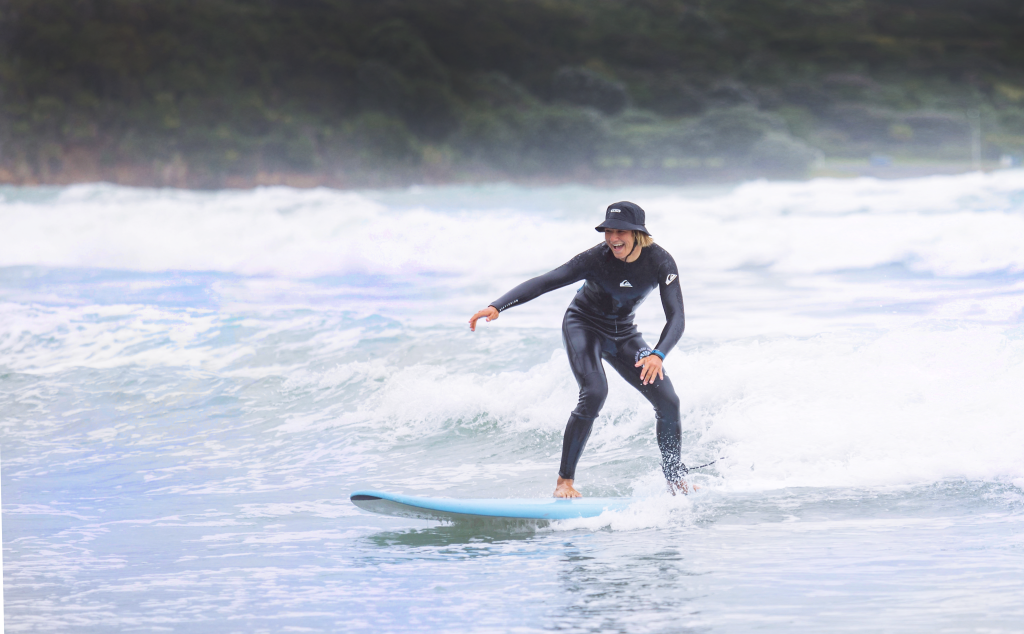
Get surf stoke with Raglan Surf School. Our expert instructors offer group & private lessons for all skill levels, plus packages & hire.

New Zealand Raglan Waikato
Vote for this project
Surf Camps in New Zealand

New Zealand offers diverse surf experiences across its North and South Islands, from the famous left-hand points of Raglan to the powerful beach breaks of the wild West Coast. The country's uncrowded lineups and stunning scenery make it a unique surf destination.

Raglan, New Zealand
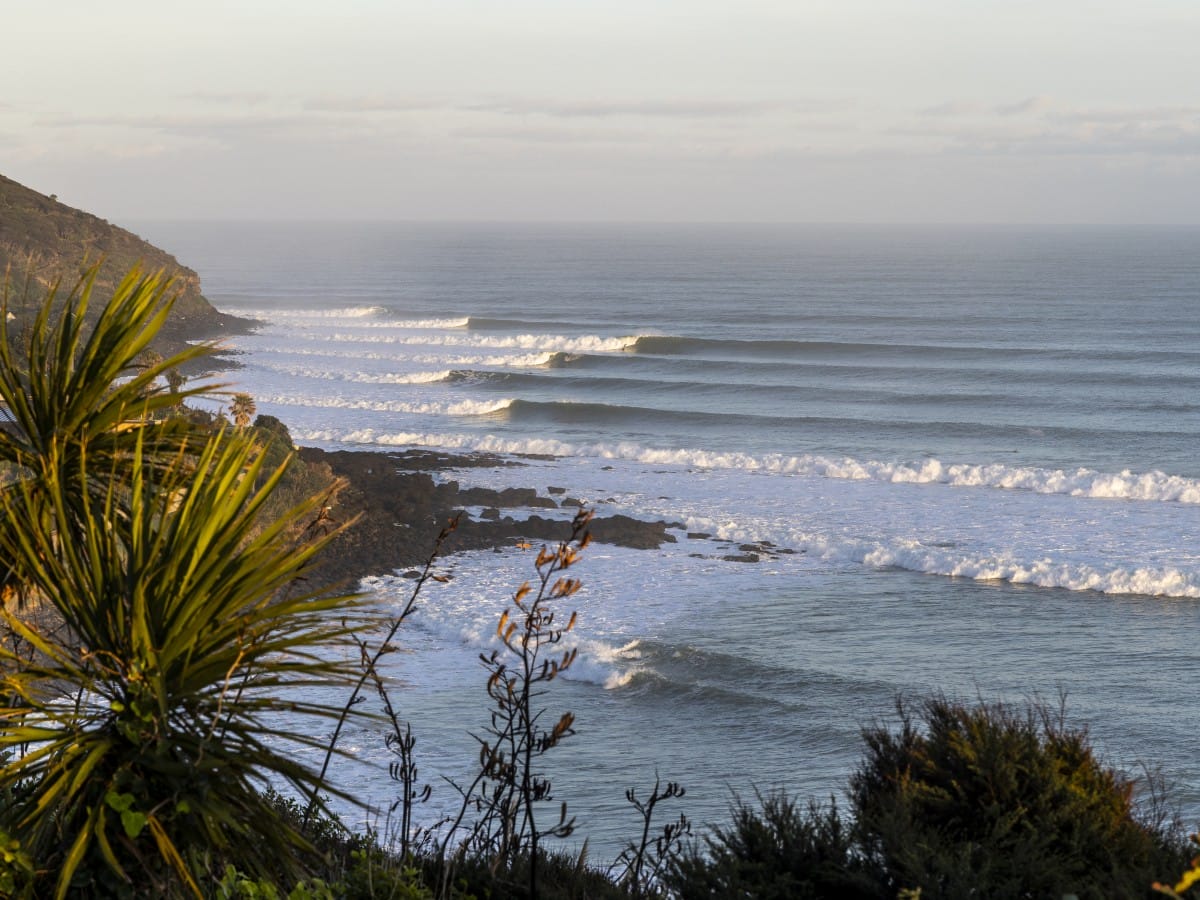
Raglan's legendary left-hand point breaks are among the best in the world.

Our Favourite Surf Camps in New Zealand

Raglan Surfing School

Located at New Zealand's most famous surf town, Raglan Surfing School offers lessons on world-class waves. Google rating: 4.9★

Which Regions Offer Surfing in New Zealand?

Waikato

The Waikato region is home to Raglan, New Zealand's most famous surf town. The area offers multiple world-class left-hand point breaks, including Manu Bay and Whale Bay.

The Most Famous Surf Spots in New Zealand

Raglan (Manu Bay)

One of the longest left-hand point breaks in the world, Manu Bay offers rides of several hundred meters on the right swell.

Whale Bay

Just north of Manu Bay, Whale Bay offers another quality left-hand point.

Piha

Auckland's closest quality surf, Piha offers powerful beach breaks on the West Coast.

Surf Scene in New Zealand

New Zealand's surf scene is small but passionate. The country's uncrowded waves and stunning scenery attract surfers seeking a more authentic experience away from the crowds.

New Zealand receives waves year-round, with conditions varying by coast. The west coast (Raglan, Taranaki) works best from March to October when consistent Tasman Sea swells arrive. The east coast receives swells from Pacific storms year-round. Summer (December-February) has warmer water but often smaller waves. Winter (June-August) brings the biggest swells but cold water. New Zealand's extensive coastline and exposure to multiple swell directions means you can find waves at any time of year.

Raglan is New Zealand's most famous surf destination and one of the world's best left-hand point breaks. The wave offers long, peeling rides over volcanic rock, with multiple sections including Manu Bay, Whale Bay, and Indicators. Raglan works best from March to October when consistent swells arrive. The town has a strong surf culture, excellent cafés, and a laid-back vibe. The wave suits intermediate to advanced surfers, though nearby beaches offer gentler options for beginners.

New Zealand is a moderately expensive surf destination. Budget accommodation costs NZD 30-60 per night, while surf camp packages range from NZD 1,000-2,000 per week. Mid-range options cost NZD 1,500-3,000 per week. Daily expenses add up - meals cost NZD 15-30, and local beers are NZD 8-12. Renting a campervan is popular and can reduce accommodation costs. New Zealand's exchange rate fluctuates, affecting value for international visitors. The country offers excellent wave quality and stunning scenery.

Citizens of the USA, Canada, UK, EU, and many other countries can enter New Zealand visa-free for up to 90 days (or longer for some nationalities). You'll need to complete an NZeTA (New Zealand Electronic Travel Authority) before travel, which costs NZD 12-17. Your passport must be valid for at least 3 months beyond your departure date. New Zealand is easily accessible with direct flights from Australia, Asia, and the US West Coast.

New Zealand's water is cold year-round. Summer temperatures reach 18-22°C in the north, requiring at least a spring suit. Winter drops to 12-16°C, needing a 4/3mm or 5/4mm wetsuit with booties. The South Island is colder than the North Island. The water is similar to Northern California or the UK. Good quality wetsuits are essential for comfortable New Zealand surf sessions. Don't underestimate the cold - hypothermia is a real risk without proper gear.

New Zealand has good beginner options. Mount Maunganui (The Mount) has gentle beach breaks and surf schools. Gisborne on the east coast has mellow waves and a strong surf culture. Piha near Auckland has beginner-friendly sections alongside more challenging waves. Raglan's inside sections can work for improving surfers. Many New Zealand surf towns have established surf schools with qualified instructors. Summer offers the most beginner-friendly conditions with warmer water and generally smaller waves.

Essential items include: 4/3mm wetsuit (minimum), booties, and potentially a hood for winter. Bring layers for variable weather - New Zealand's climate changes quickly. A good board bag is essential if bringing your own equipment. Most surf gear can be purchased or rented locally. Don't forget strong sunscreen (UV is intense due to ozone hole), travel insurance, and any medications you need. A rental car or campervan is essential for exploring the coast. Pack for four seasons in one day.

Renting a car or campervan is essential for exploring New Zealand's surf coast. Campervans are popular, allowing flexibility and reducing accommodation costs. Prices start from NZD 50-100 per day. Roads are generally good but often winding. Domestic flights connect major cities affordably with Air New Zealand. Buses run between major towns but don't reach remote surf spots. New Zealand's compact size means you can cover significant ground in a few hours. The journey between spots is part of the adventure.

New Zealand is one of the world's safest countries for travelers. Crime rates are low, and the country is welcoming to visitors. The main dangers are surf-related - cold water, strong currents, and powerful waves. Respect your abilities and the conditions. Some beaches have rip currents - swim between the flags at patrolled beaches. The remote coastline means help may be far away if something goes wrong. Travel insurance is essential. Overall, New Zealand is an excellent destination for surf travelers of all experience levels.

New Zealand is the adventure capital of the world, and combining surf with other activities is easy. Queenstown offers bungee jumping, skydiving, and jet boating. Rotorua has geothermal wonders and Maori culture. The South Island has incredible hiking (Milford Track, Routeburn Track). Whale watching in Kaikoura is world-class. Many surf travelers extend their trips to explore New Zealand's stunning landscapes and adventure opportunities. The country packs incredible diversity into a compact area.

New Zealand has a passionate surf culture with deep roots. The country has produced world-class surfers and has a strong competitive scene. The vibe is generally friendly and laid-back, reflecting Kiwi culture. Raglan has a particularly strong surf community. Localism exists at some spots but is less intense than in Australia. New Zealand surfers are proud of their waves and appreciate visitors who show respect. The combination of quality waves, stunning scenery, and friendly people creates a welcoming surf culture.

New Zealand's surf spots are generally less crowded than Australia. The smaller population means fewer surfers overall. Raglan can get busy on good days, especially weekends, but crowds are manageable. The extensive coastline offers alternatives for those willing to explore. Early morning sessions are quieter. The South Island is particularly uncrowded. New Zealand offers the opportunity to find empty, quality waves - something increasingly rare in the surfing world.

Filters

Tags

Surf Camps by Category