Vote for this project
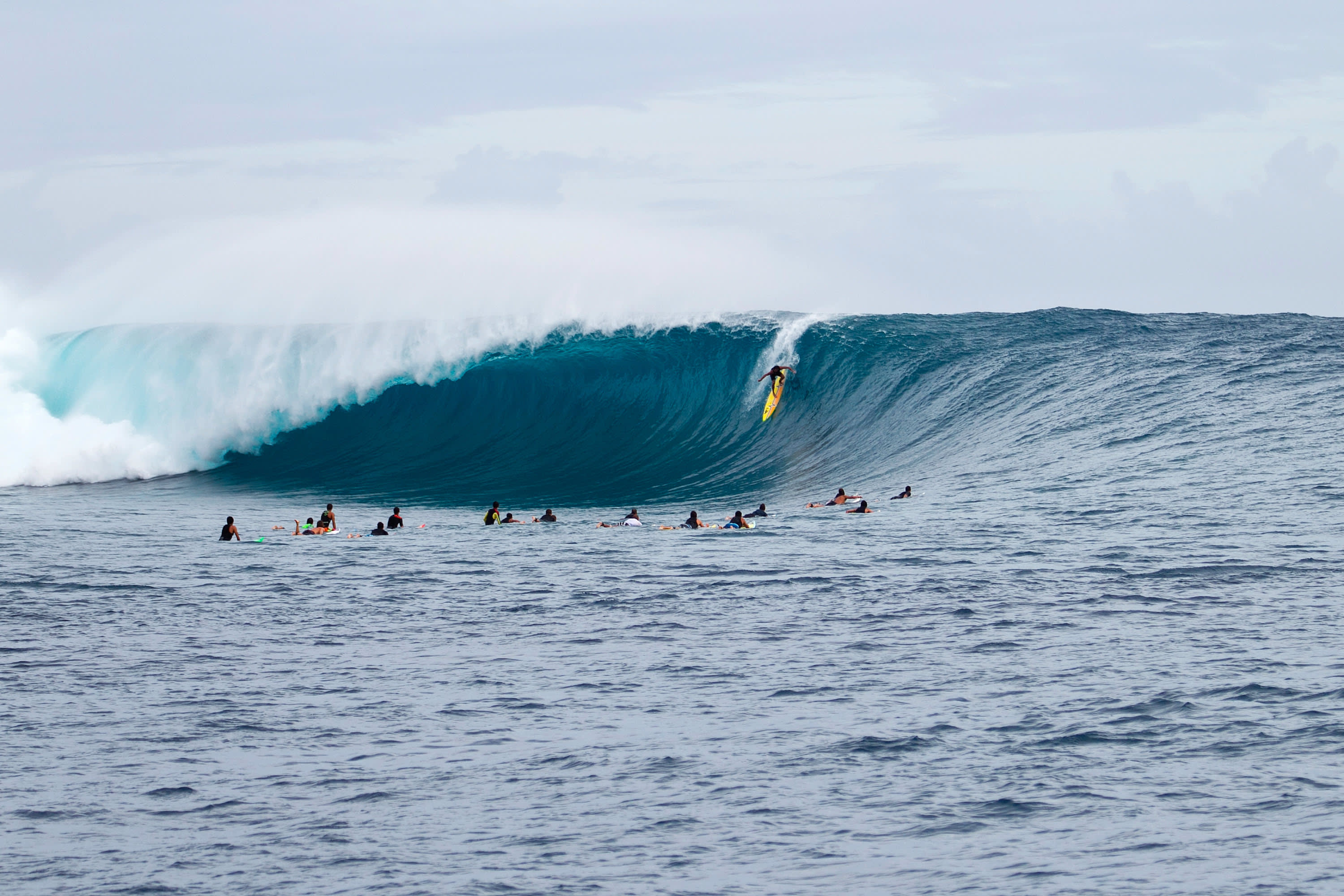
Fiji is home to some of the most perfect waves in the world, including the legendary Cloudbreak. The country offers a tropical surf paradise with warm water, consistent swells, and world-class reef breaks.
Offering access to Fiji's world-class waves, Fiji Surf Co. provides surf trips and accommodations in paradise. Google rating: 4.9★
Fiji's main island is the gateway to the country's best surf, including Cloudbreak and Restaurants. Most surf trips are based here, with boat access to the outer reefs.
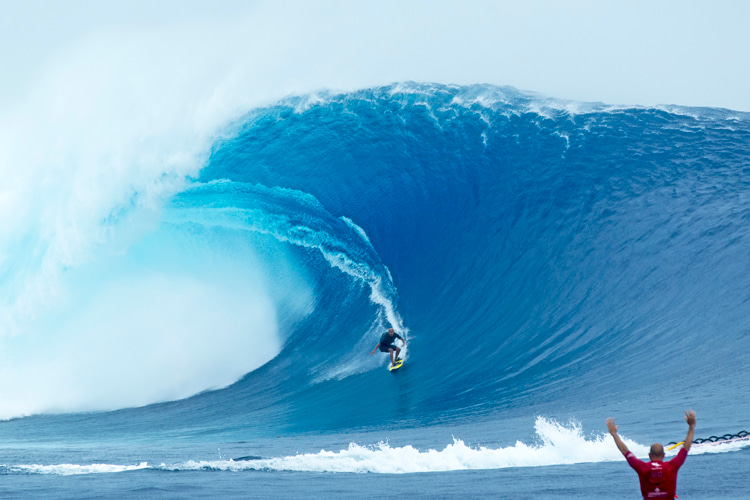
One of the most famous waves in the world, Cloudbreak is a powerful left-hand reef break that produces massive, perfect barrels. The wave has hosted professional events and is considered one of the best in the world.
A more accessible wave than Cloudbreak, Restaurants offers quality left-hand waves suitable for intermediate to advanced surfers.
Another world-class left in the Mamanuca Islands.
Fiji's surf scene is centered around the resorts and boat charters that provide access to the outer reef breaks. The country attracts experienced surfers seeking world-class waves in a tropical setting.
The best time to surf in Fiji depends on your skill level. For beginners, the calmer waters and smaller waves from November to February are ideal. The shoulder seasons of March-April and September-October offer good waves for all levels. For experienced surfers seeking bigger waves, the peak season is from May to August.
Fiji has a wide variety of surf breaks suitable for all skill levels. Beginners can learn at gentle beach breaks like Natadola Beach on the Coral Coast or in the sheltered lagoons of the Mamanuca Islands. Intermediate and advanced surfers can find more challenging reef breaks. There are many Fiji surf schools that offer lessons and coaching for all levels.
Fiji is blessed with warm, tropical water year-round. The water temperature stays consistently between 25°C to 28°C (77°F to 82°F), so you can comfortably surf in boardshorts or a bikini without a wetsuit.
Besides your surfboard (or you can rent one), pack light clothing for a tropical climate. Include swimwear, rash guards, and plenty of high-SPF, ocean-friendly sunscreen. A hat and sunglasses are essential for sun protection. It's also a good idea to bring a reusable water bottle to stay hydrated and insect repellent for the evenings.
Fijian culture is warm and welcoming. You'll be greeted with a friendly "Bula!". Traditional Fijian food features fresh, local ingredients, with an emphasis on seafood, root vegetables like taro and cassava, and coconut. A must-try experience is a 'lovo', a traditional feast where food is cooked in an underground oven. When visiting a village, it's respectful to dress modestly.
The cost of a surf trip to Fiji can vary widely depending on your travel style. Budget-friendly options are available, especially if you stay in local guesthouses and eat at local restaurants. Mid-range and luxury surf resorts offer all-inclusive packages that include accommodation, meals, and surf guiding. You can find a range of options on our Fiji surf camps page.
Fiji is generally a safe destination for tourists. As with any travel, it's wise to take normal precautions. Be aware of your surroundings, especially in urban areas, and secure your valuables. The Fijian people are known for their hospitality, and you'll find a welcoming atmosphere in most places.
When you're not surfing, Fiji offers a wealth of other activities. You can go snorkeling or diving in the vibrant coral reefs, explore lush rainforests and waterfalls, or visit a traditional Fijian village to experience the local culture. The Mamanuca and Yasawa Islands are perfect for island hopping and relaxing on pristine beaches. For more ideas, check out our guide to things to do in Fiji.


