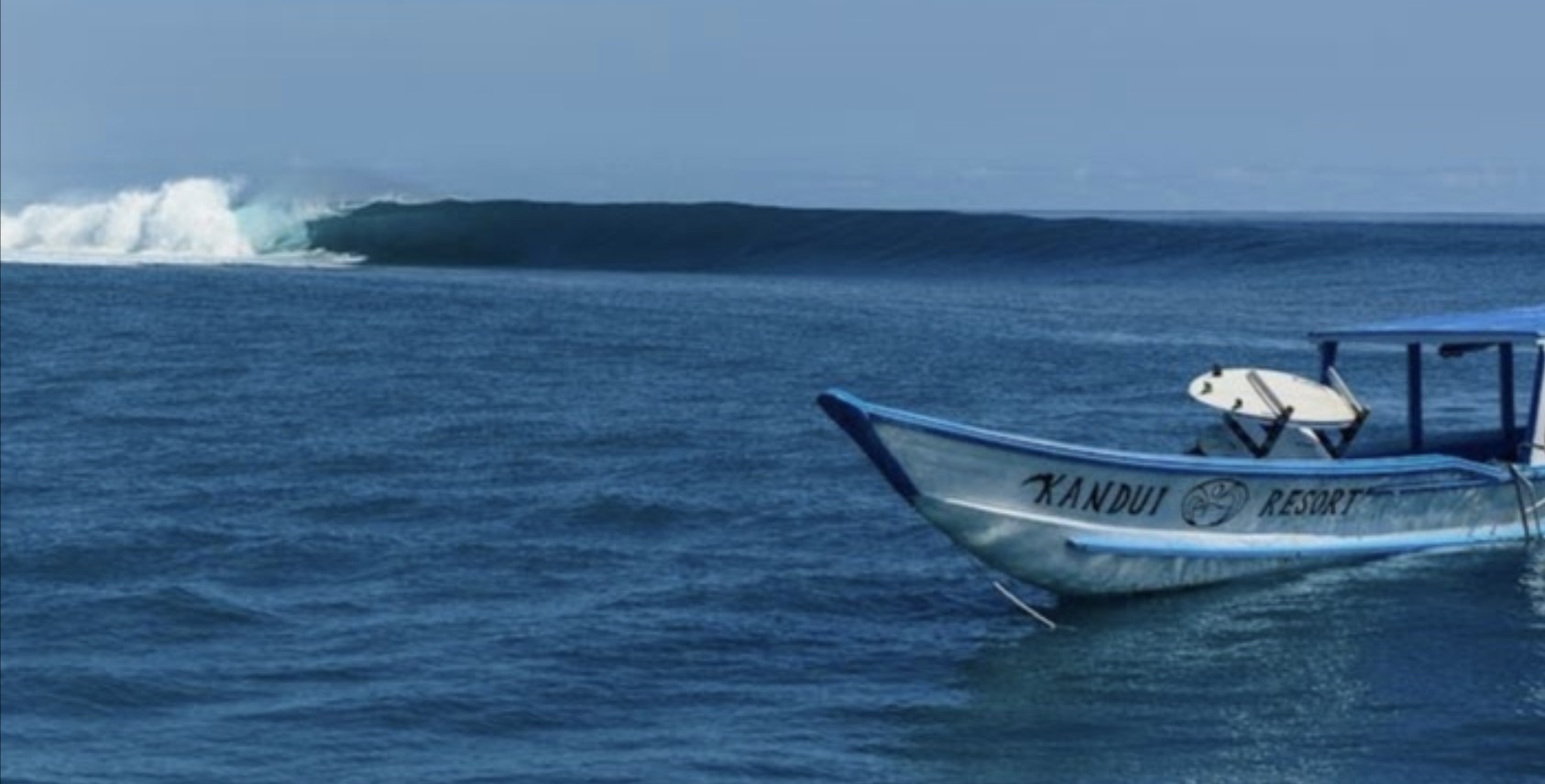
Hotel in Batu Karas in front of Indonesia's best longboard wave and friendliest surf spot with fun waves suitable for beginners to intermediate surfers.
Experience the best surfing destination on the planet. Kandui Resort is a world-class all-inclusive surf resort located in the heart of the Mentawai Islands, Indonesia.
Java, Indonesia’s most populated island, is a surfer’s paradise with world-class waves, rich culture, and diverse landscapes. From the legendary barrels of G-Land to the mellow longboard waves of Batu Karas, Java offers a surfing adventure for everyo
The Javanese Surfing Experience
Java, an island of volcanoes and jungles, is also a premier surfing destination. Its southern coast is a magnet for Indian Ocean swells, creating a playground of reef breaks, point breaks, and beach breaks. The island's surf scene is a mix of raw, untamed nature and laid-back coastal villages, offering a unique cultural experience alongside the world-class waves.
Types of Waves
Java's coastline offers a variety of waves for all skill levels. For the experts, there's the legendary G-Land (Grajagan Bay) in East Java, a series of world-class left-hand barrels that will test the most experienced surfers. In West Java, you'll find Panaitan Island, home to the infamous "One Palm Point" and other challenging reef breaks. For those looking for something more mellow, Batu Karas in Central Java is a beginner's paradise with a gentle right-hand point break perfect for longboarding and learning. Other notable spots include Cimaja and Sawarna in West Java, offering a mix of waves for intermediate to advanced surfers.
Best Time to Surf
The prime surfing season in Java is during the dry season, from April to October. This is when consistent groundswells from the Southern Ocean hit the coast, and the trade winds blow offshore, creating perfect, clean conditions. The wet season, from November to March, can still offer fun waves, especially for beginners, but the swells are less consistent and the winds can be unpredictable.
Skill Levels
Java caters to all levels of surfers.
Beginners: Batu Karas is the go-to spot for learning to surf.
Intermediates: West Java's Cimaja and Sawarna offer a good progression.
Advanced: G-Land and Panaitan Island are bucket-list destinations for experienced surfers seeking a challenge.
What Makes Java Unique?
Beyond the waves, Java offers a rich cultural experience. You can explore ancient temples, hike active volcanoes, and immerse yourself in the friendly local culture. The food is incredible, the people are welcoming, and the cost of living is affordable. It's a place where you can find adventure both in and out of the water.
The best time to surf in Java is during the dry season, which runs from April to October. This period sees consistent groundswells from the south, combined with favorable offshore trade winds, creating ideal surfing conditions. The peak of the season is from May to August, when you can expect the biggest and cleanest waves, especially at world-renowned spots like G-Land.
Java offers a wide variety of waves suitable for all skill levels. Beginners will find friendly, mellow waves at places like Batu Karas, which is often called the best place to learn to surf in Indonesia. Intermediate surfers can enjoy the reef breaks of Cimaja and Sawarna. Advanced surfers will be challenged by the powerful, world-class barrels of G-Land and the remote breaks of Panaitan Island.
The water temperature in Java is warm year-round, typically ranging from 26-29°C (79-84°F). You won't need a wetsuit, but a rash guard or surf shirt is recommended for sun protection. You can comfortably surf in boardshorts or a bikini all year.
Besides your surfboard, you should pack light clothing for a tropical climate. Essentials include boardshorts, bikinis, rash guards, and plenty of sunscreen. It's also a good idea to bring a basic first-aid kit, insect repellent, and reef booties for protection against sharp reefs. If you plan on surfing more remote and powerful waves, consider bringing a spare leash and fins.
Javanese culture is rich and diverse, with a strong influence from Hinduism, Buddhism, and Islam. The local people are known for their hospitality and friendliness. Javanese cuisine is delicious and varied, with popular dishes like Nasi Goreng (fried rice), Gado-Gado (vegetable salad with peanut sauce), and Satay (grilled meat skewers). Don't miss the opportunity to try the local coffee, which is grown in the highlands of Java.
Java is a relatively affordable travel destination. Accommodation can range from budget-friendly guesthouses for around $10-20 USD per night to more luxurious surf camps and resorts. A meal at a local warung (small restaurant) can cost as little as $2-5 USD. Transportation costs will vary depending on how you choose to get around, with options ranging from local buses to private car hires.
Surfing in Java is generally safe, but it's important to be aware of the potential hazards. Some of the waves break over sharp, shallow reefs, so it's crucial to know your limits and surf within your abilities. It's also a good idea to be aware of the tides and currents. In remote areas, medical facilities can be limited, so it's wise to travel with a comprehensive first-aid kit and travel insurance.
Java is a large and diverse island with many attractions to explore beyond the surf. You can visit the ancient temples of Borobudur and Prambanan, hike to the top of active volcanoes like Mount Bromo, or explore the bustling capital city of Jakarta. The cultural heart of Java, Yogyakarta, is also a must-visit, with its vibrant arts scene and traditional Javanese culture.