Surf Camps in Spain
Spain’s surf camps offer diverse waves year-round, with options from the Basque Country to the Canary Islands for all skill levels and budgets.
Spain
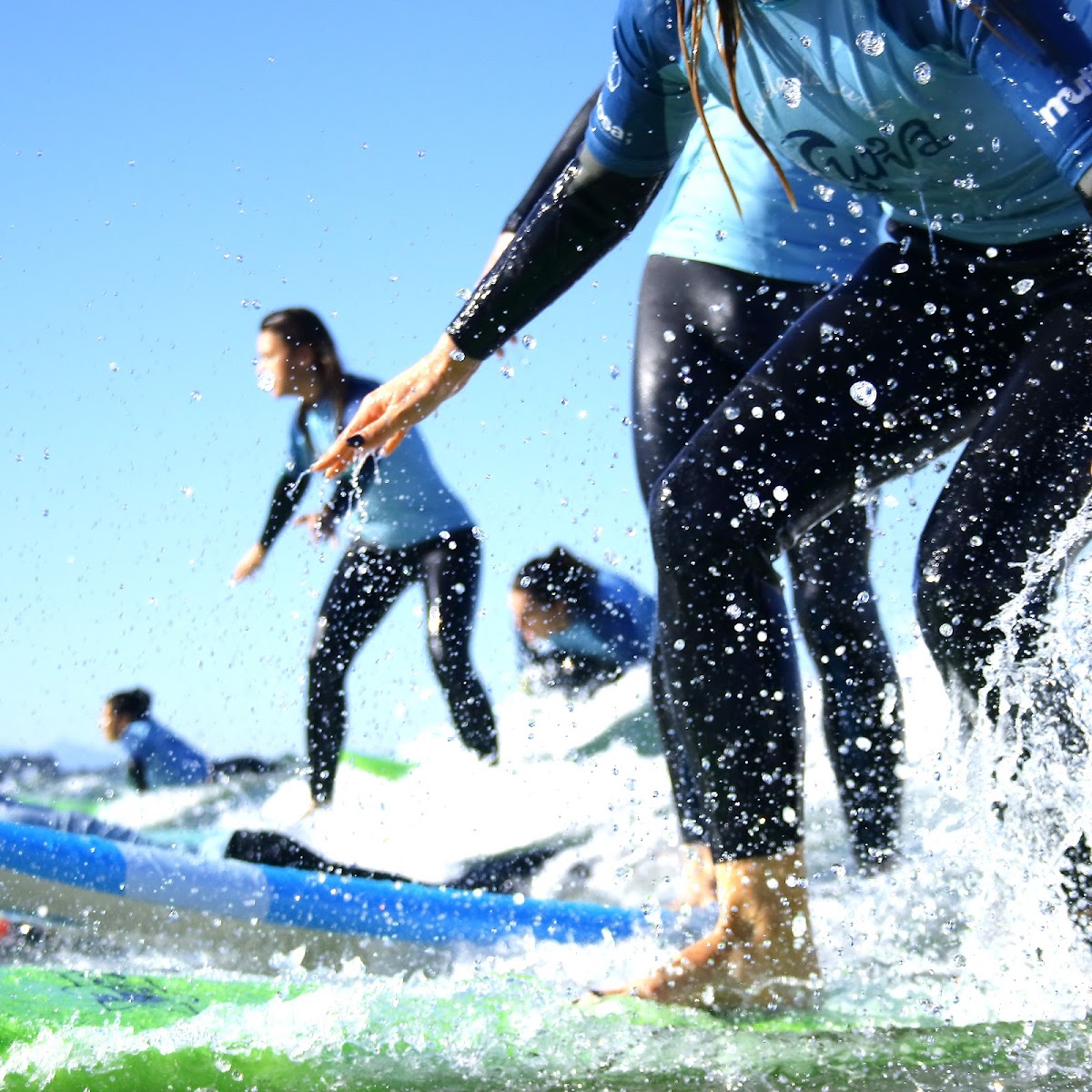
360 Surf Camp
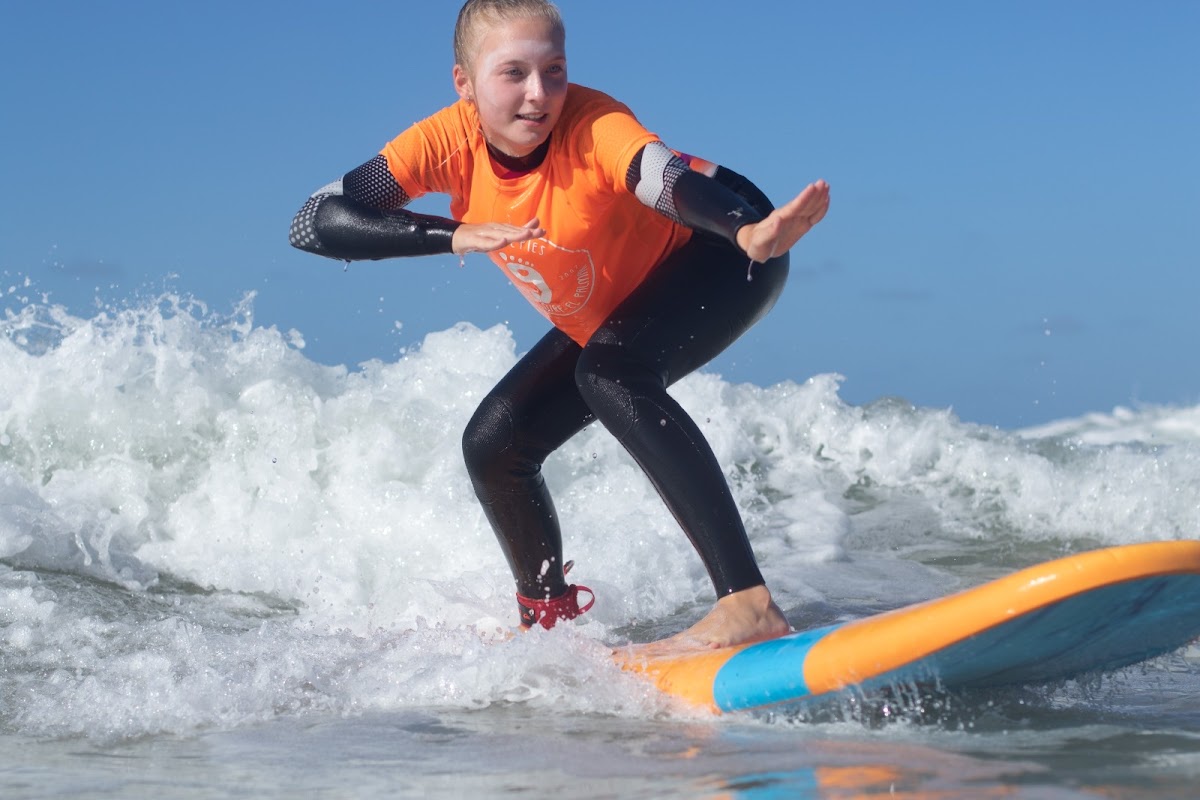
9 Pies Escuela de Surf Tarifa

Aldea Surf Camp
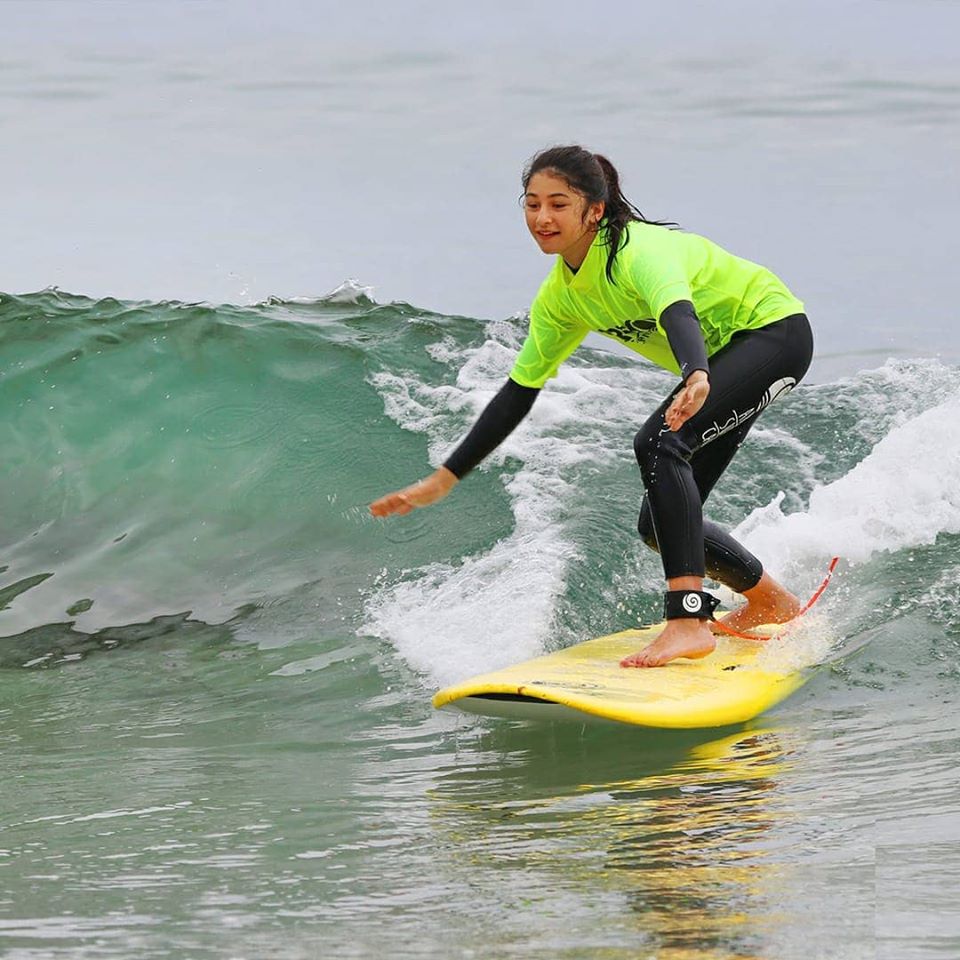
Artsurfcamp
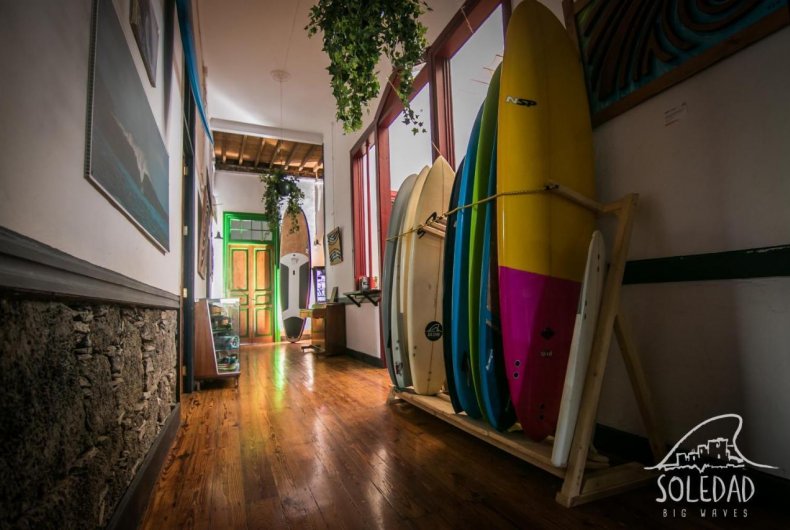
Atlantis Surf Camp Gran Canaria
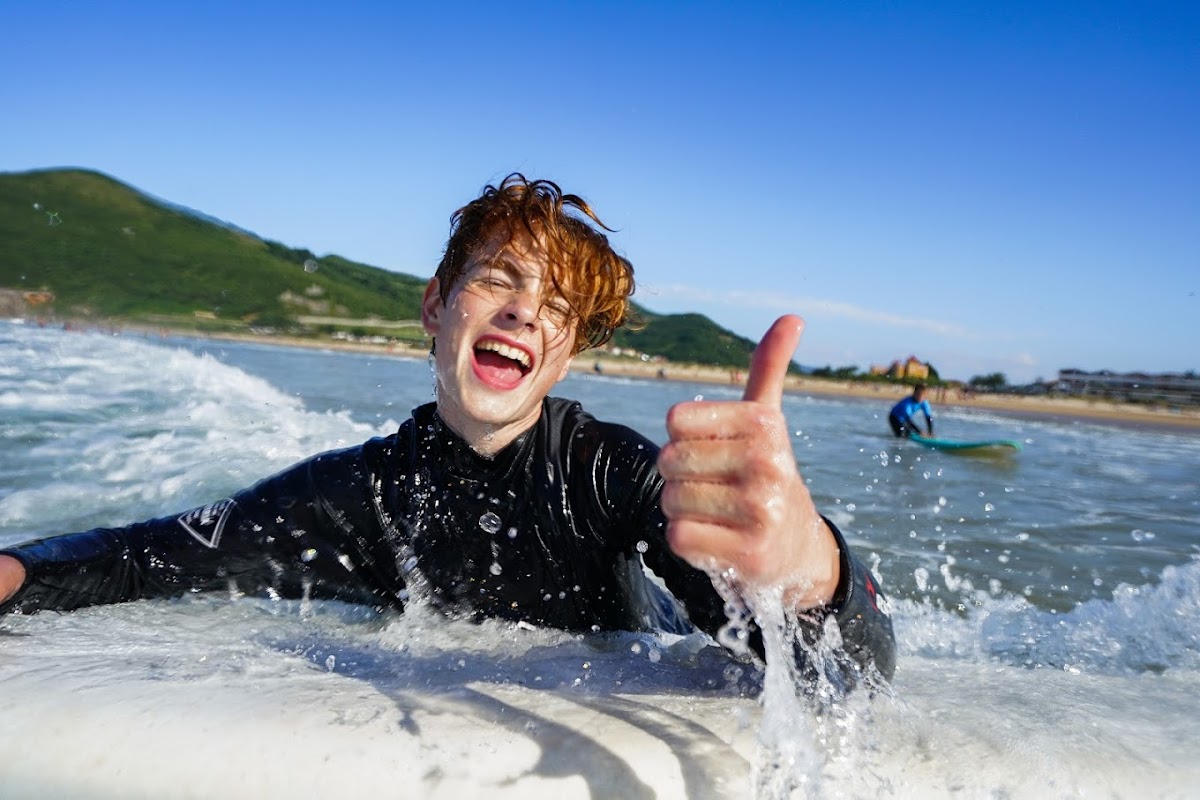
Berria Surf School
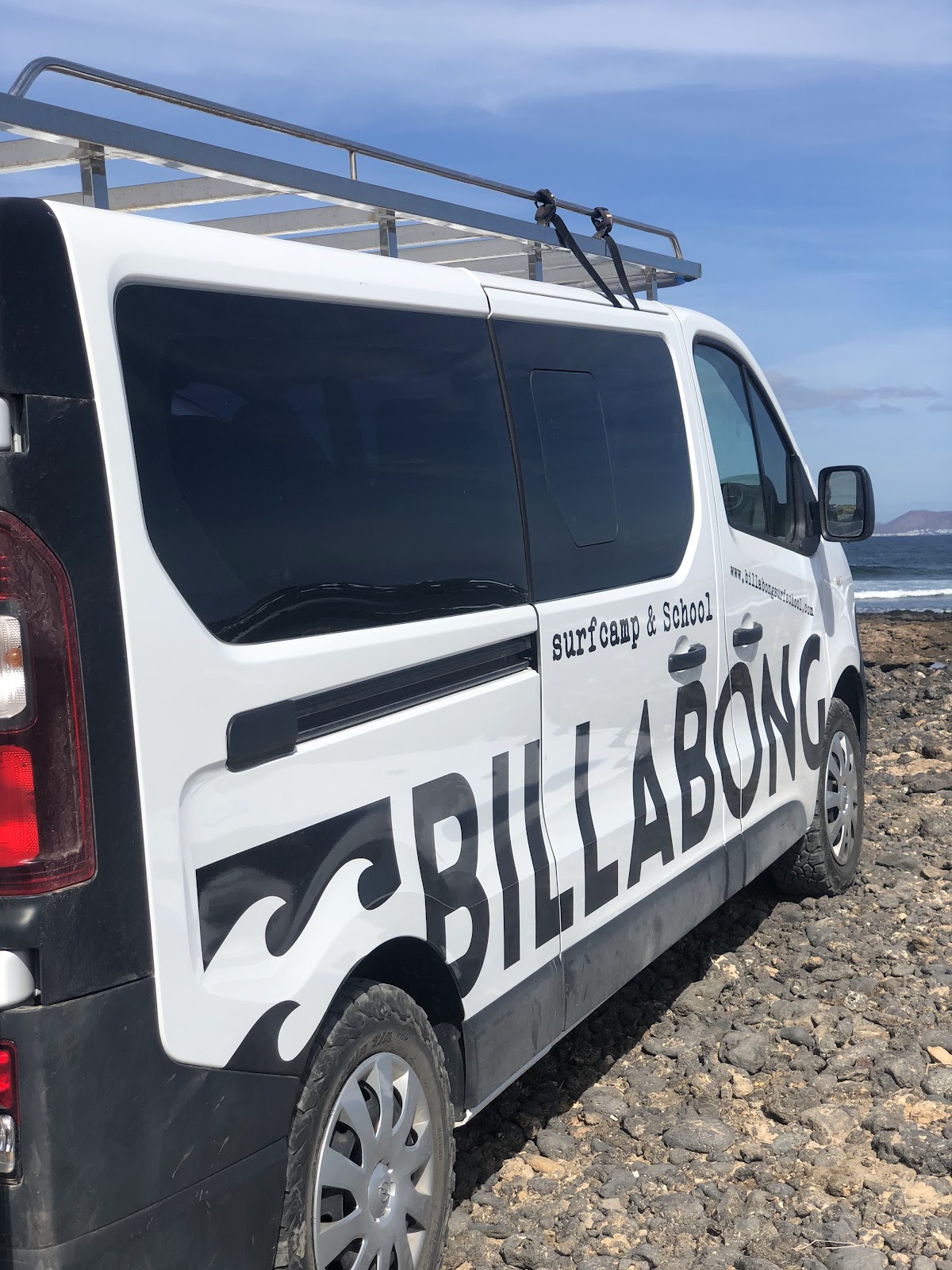
Billabong Surf Camp & School
Bio Surf Camp
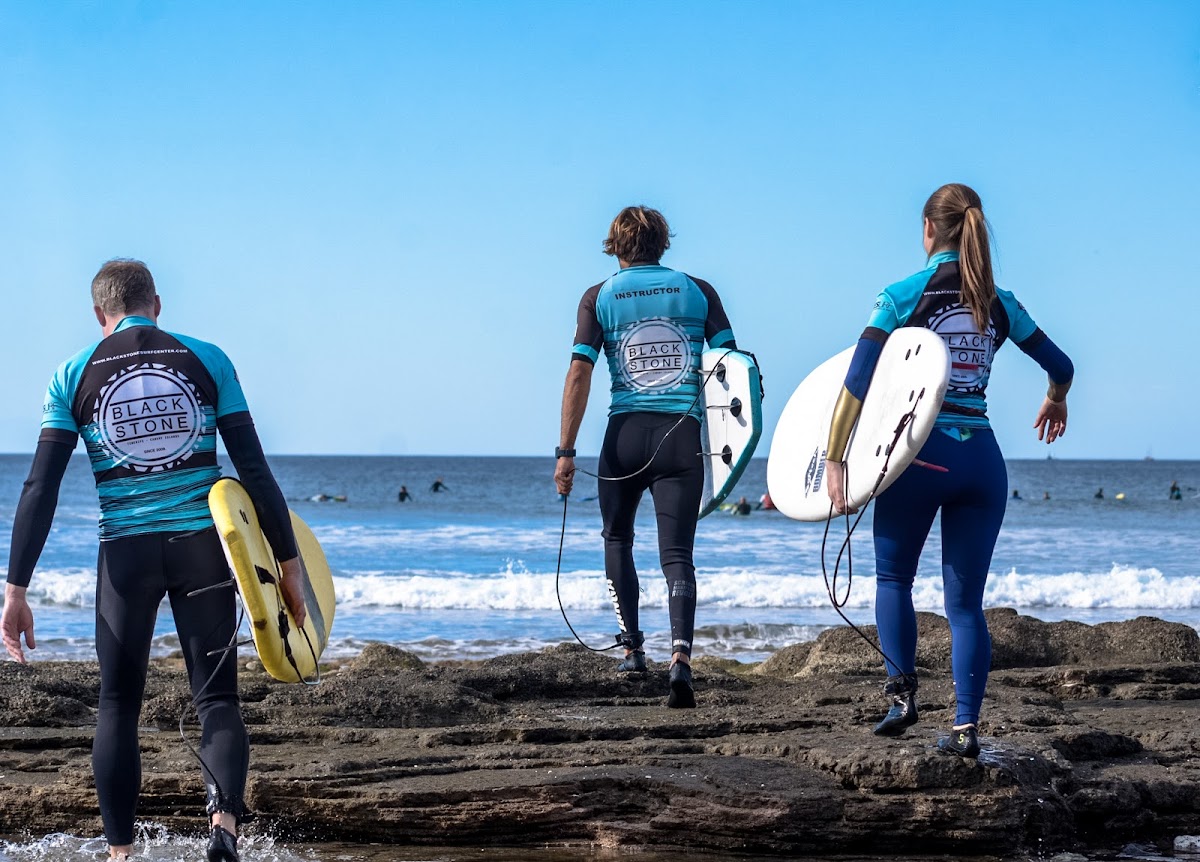
Blackstone Surf Camp

Bonaona Surf School
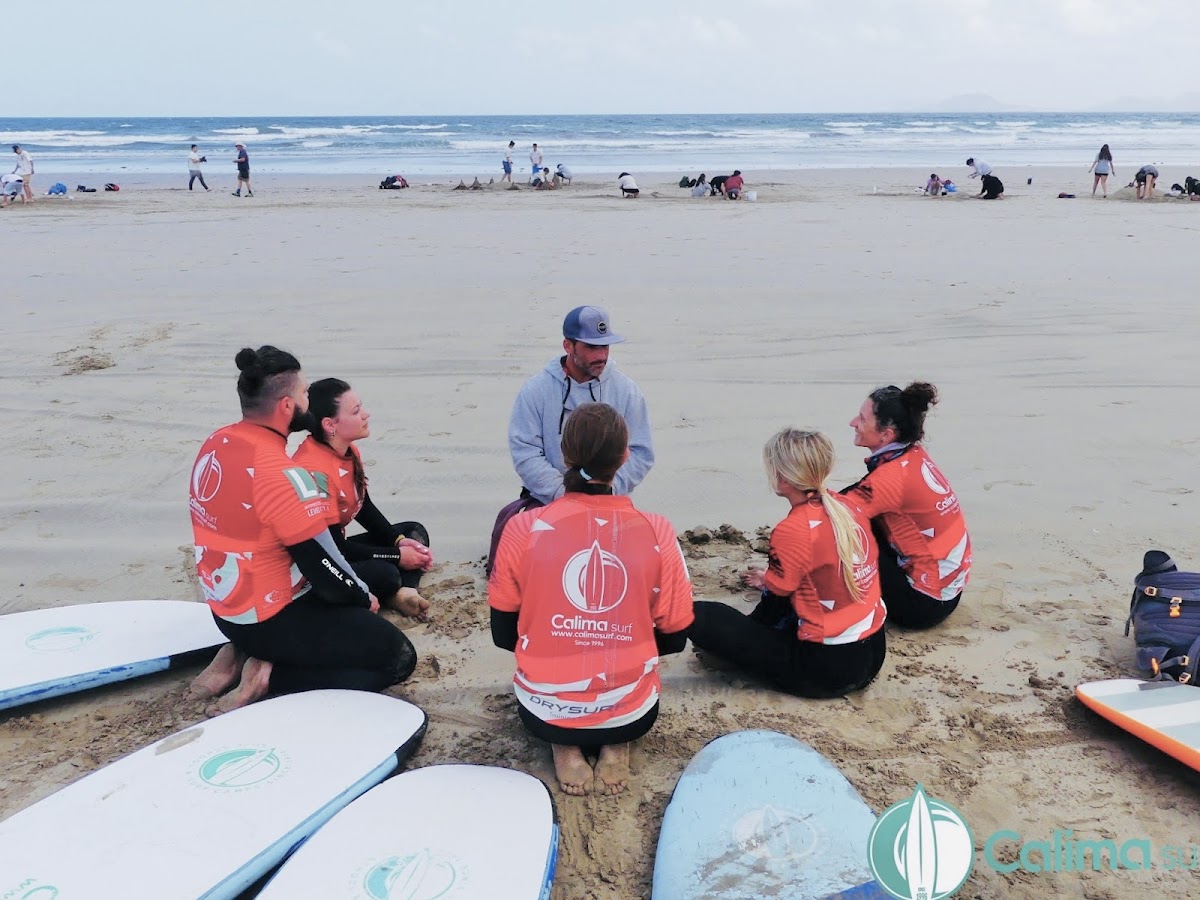
Calima Surf Camp Lanzarote
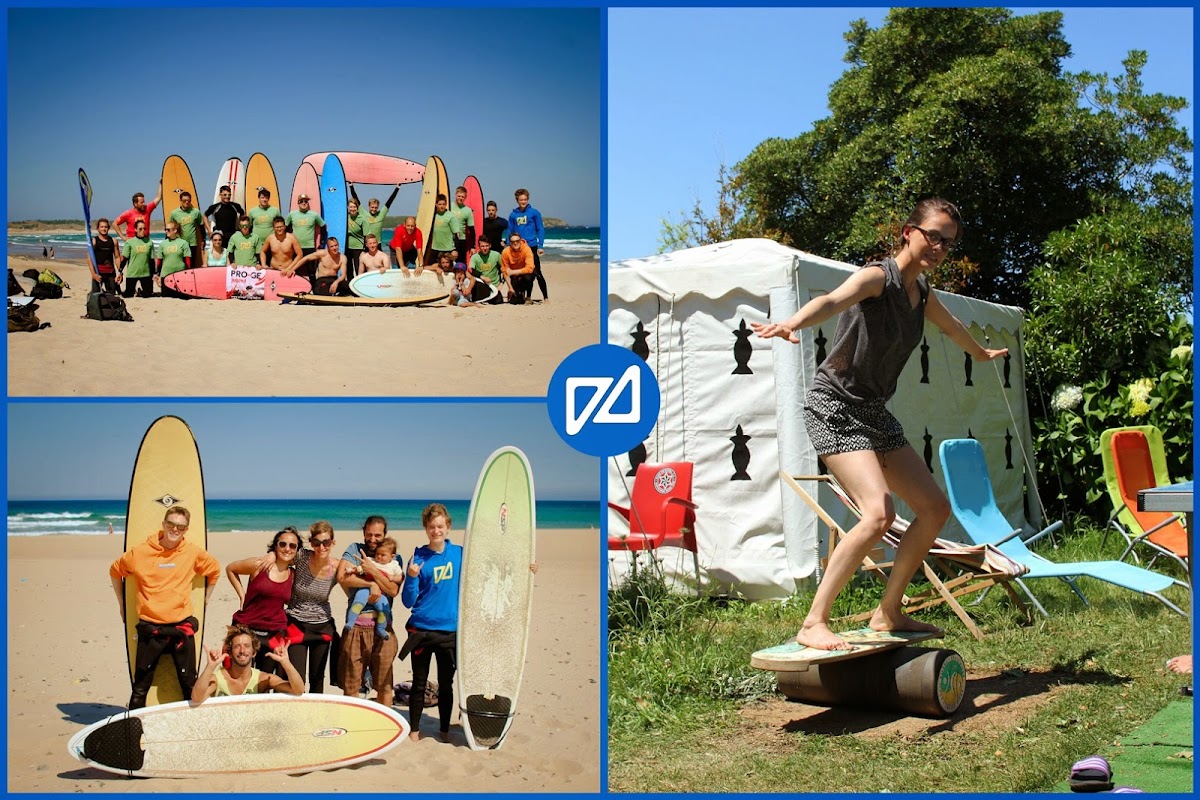
Camino Surf Galicia - Valdoviño
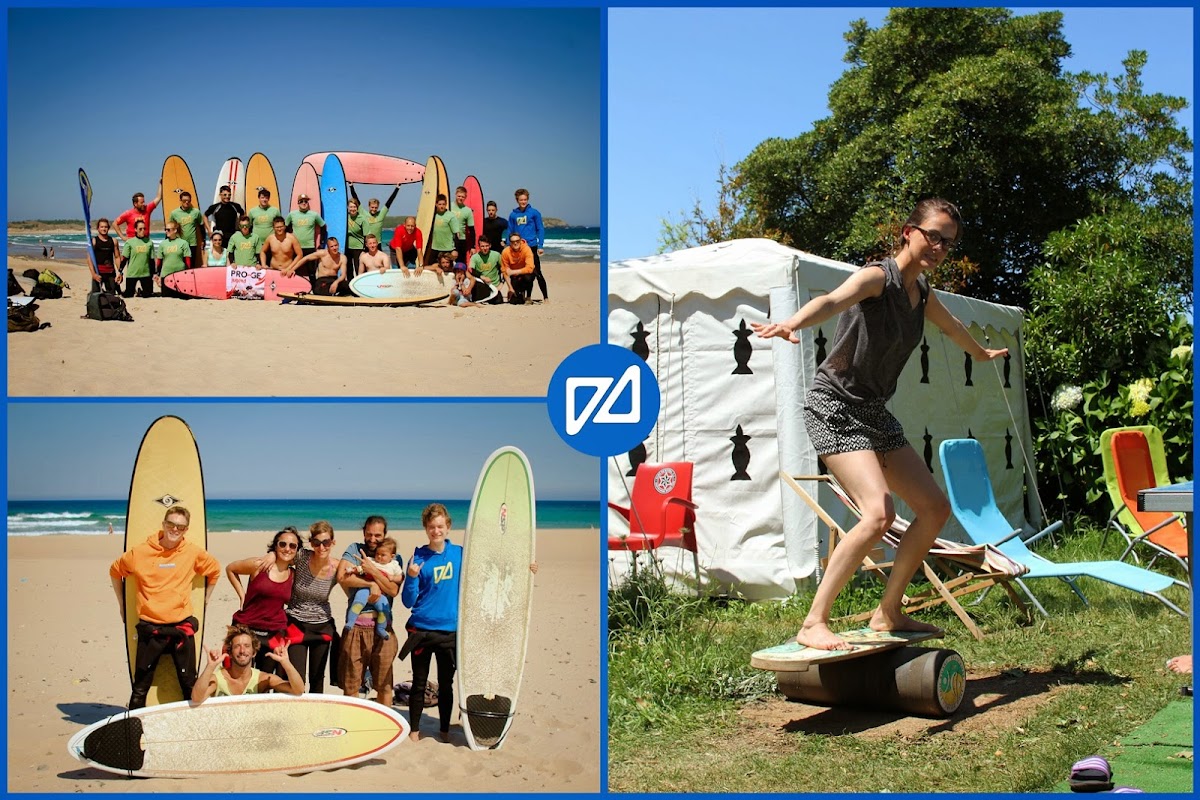
Camino Surfhouse Tapia
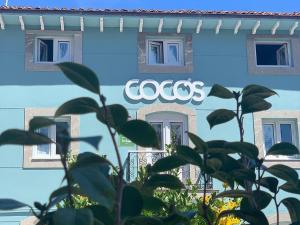
COCOS SURFHOUSE

Dreamsea Surf Camp Spain
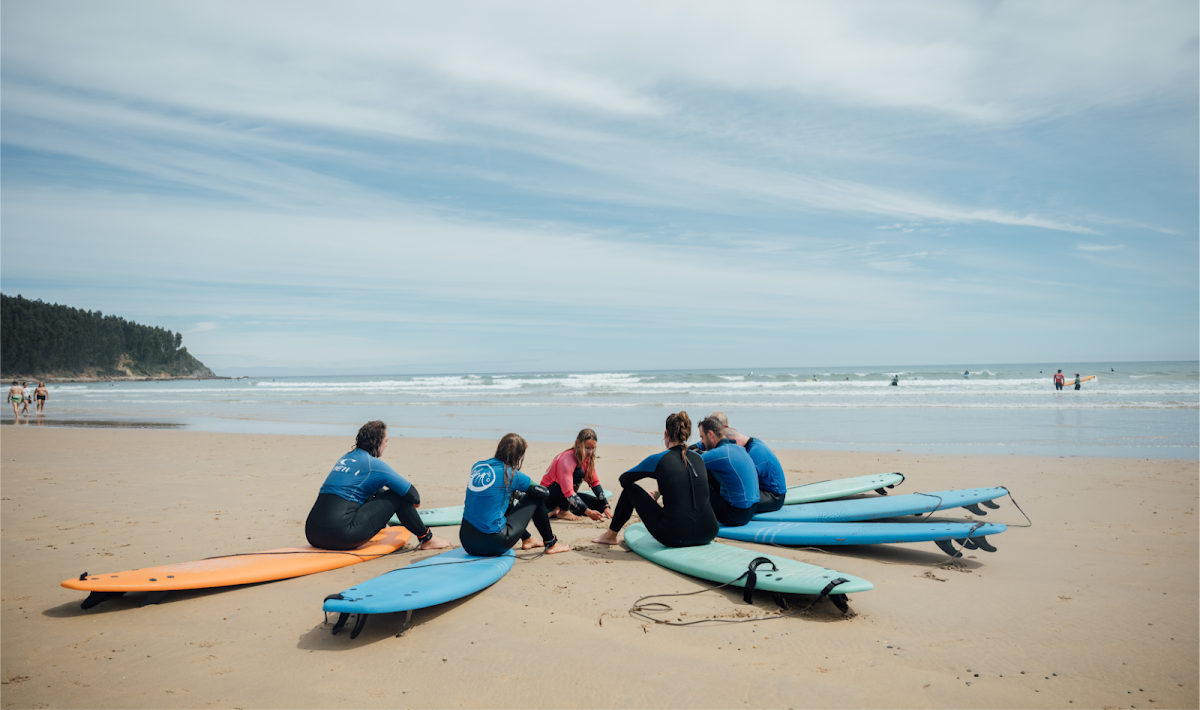
Elementsurf Surfcamp
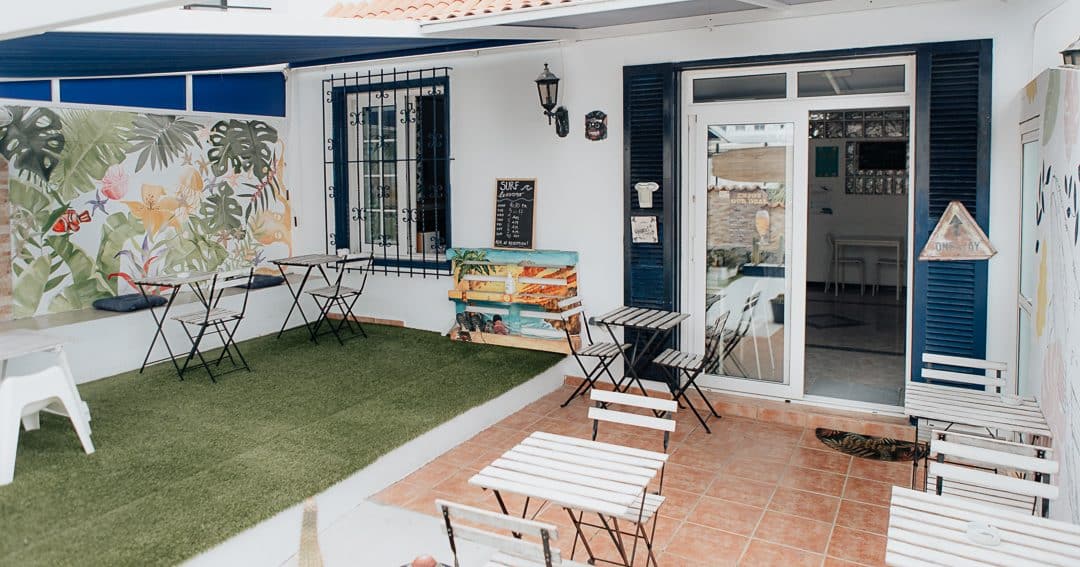
Endless Summer House
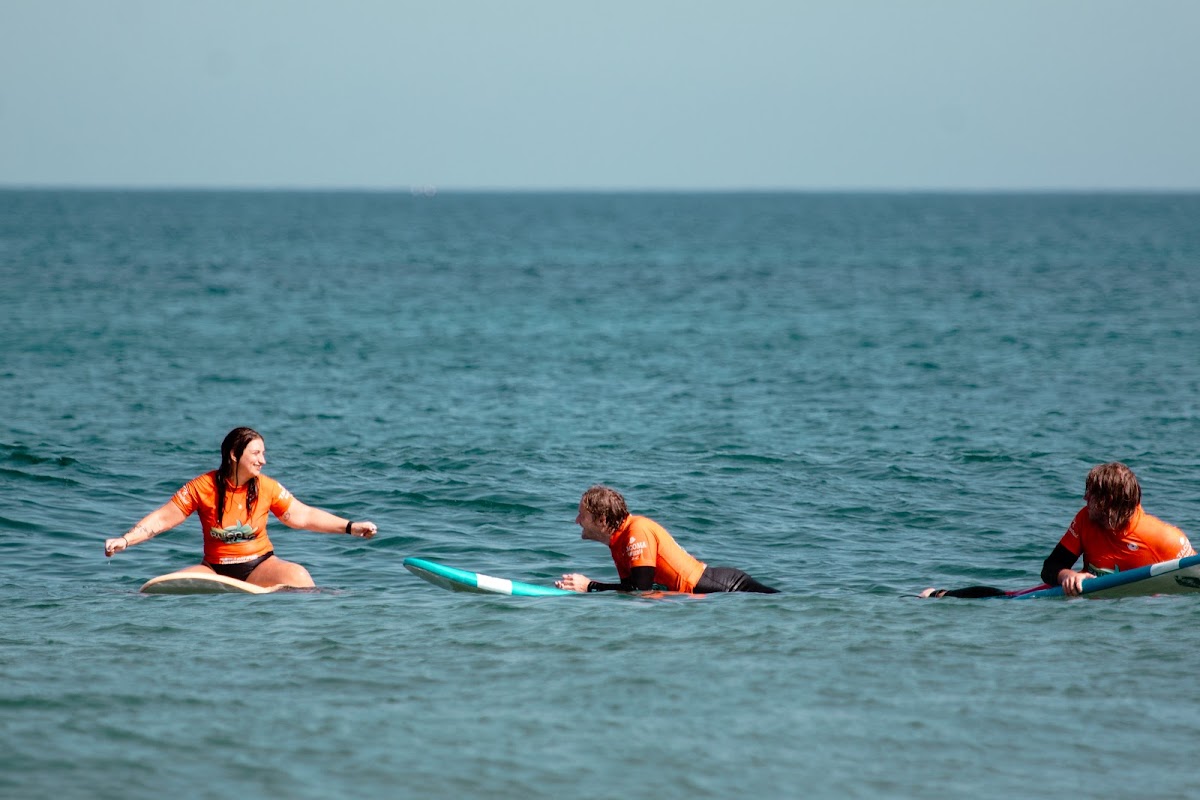
Endless Summer Surf HiTide House
Endless Summer x Casa Hilda
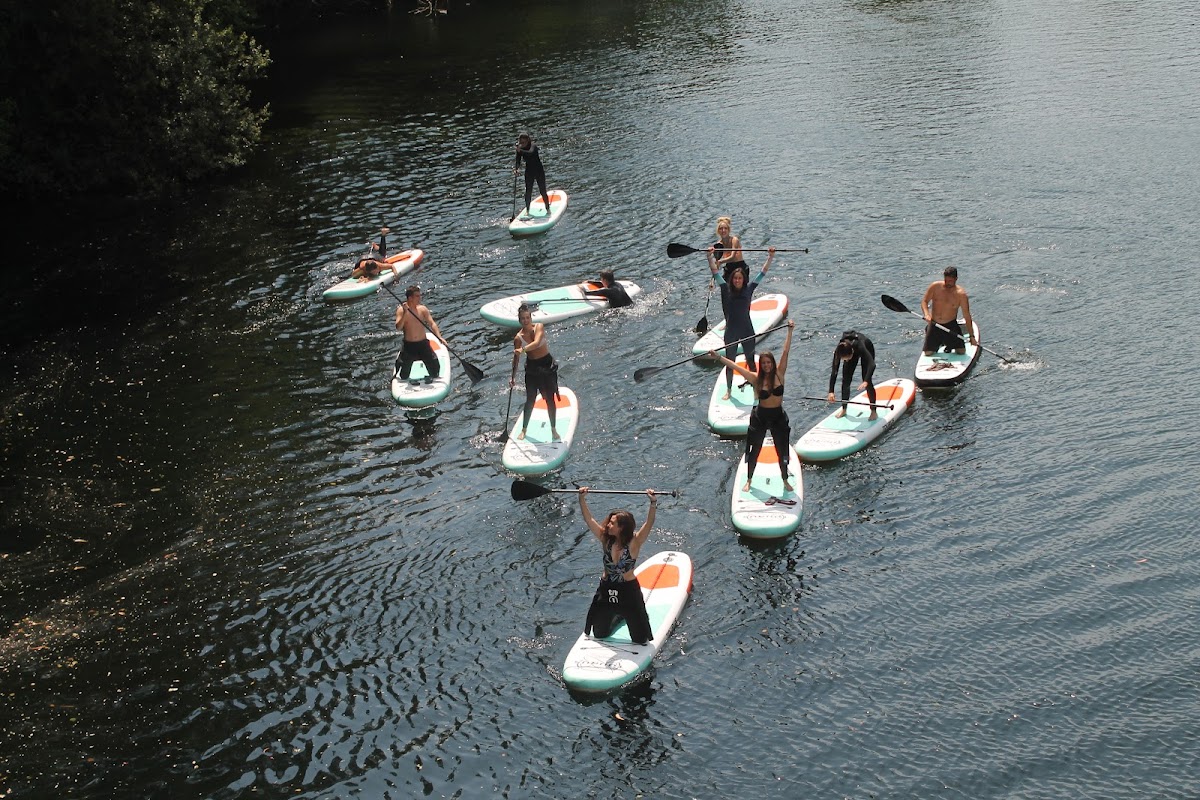
Enjoy Native Surf House
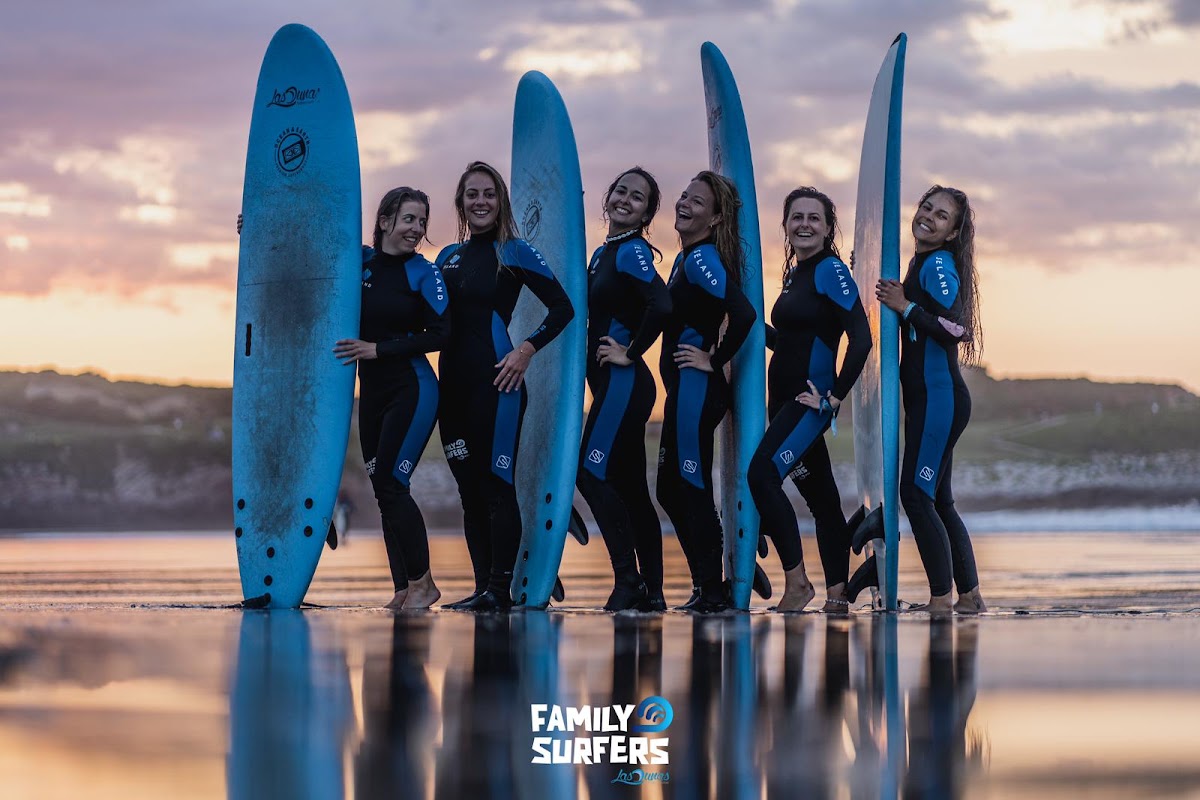
Escuela Surf Las Dunas
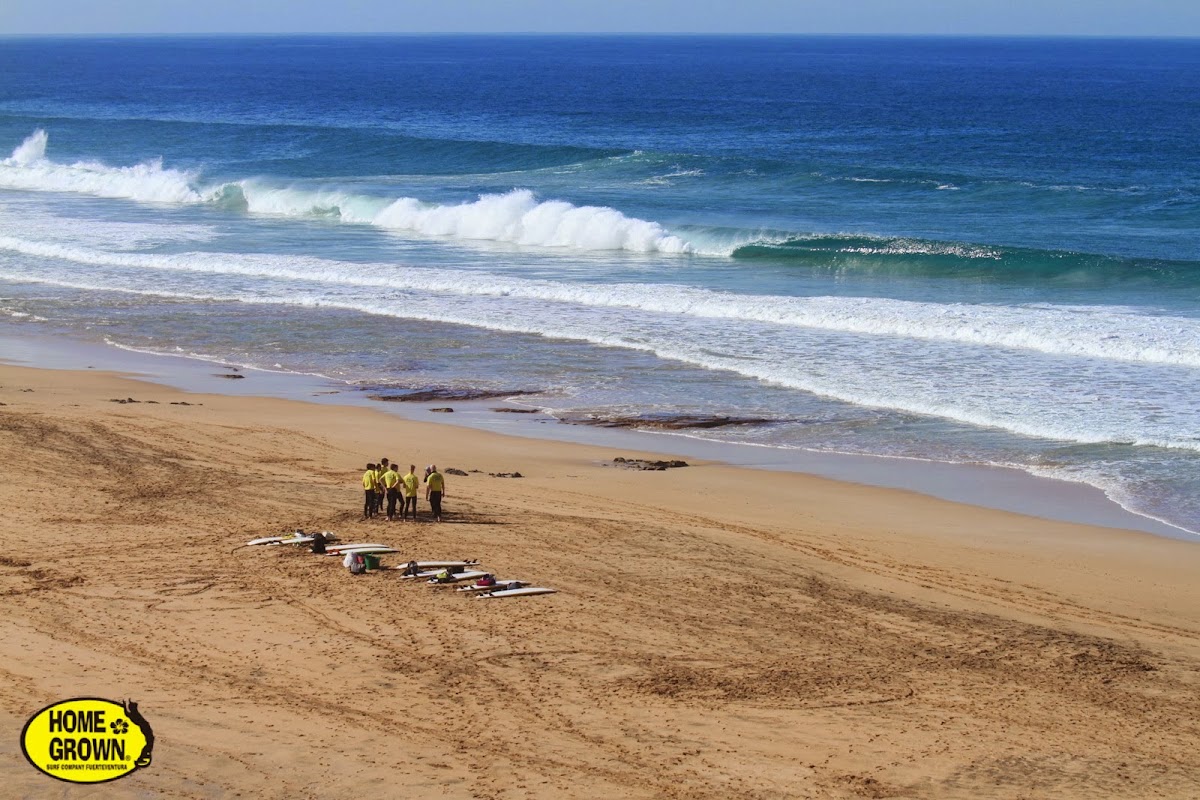
FreshSurf Surfcamp Fuerteventura

Galicia Surf Camp
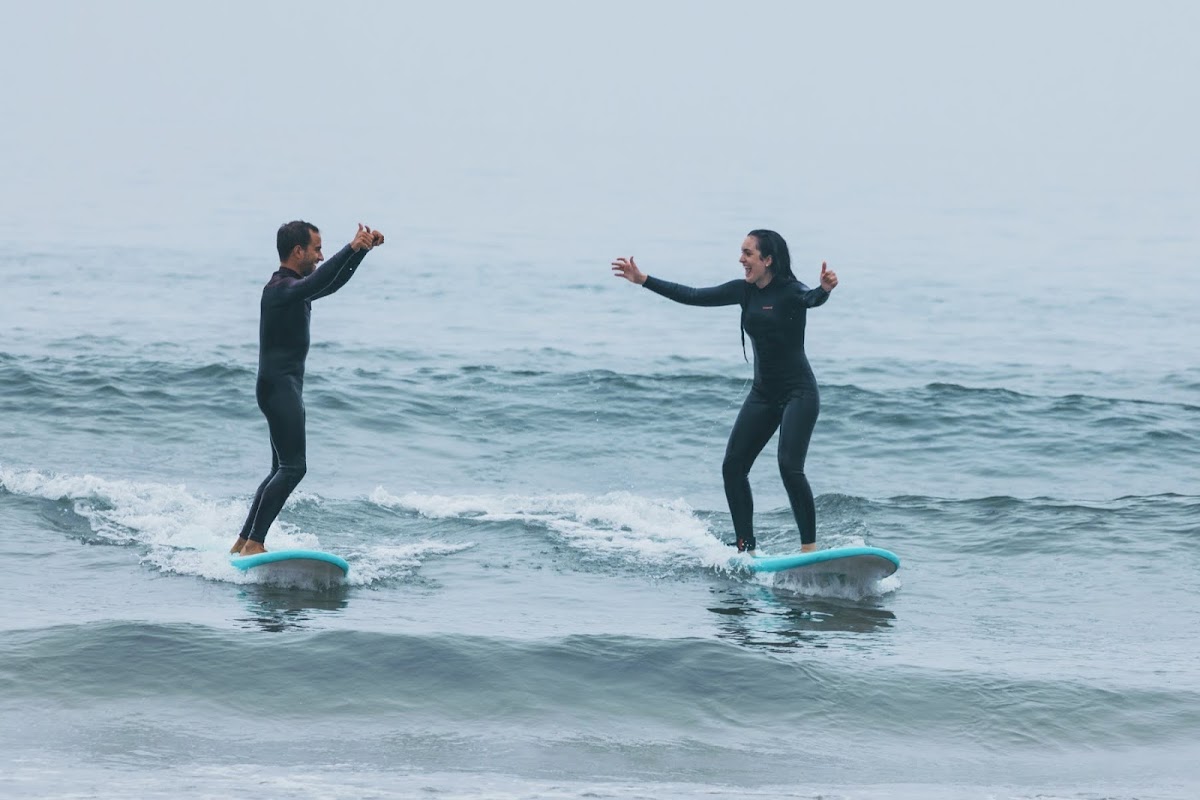
Gijon Surf Hostel
Spain, blessed with a diverse coastline stretching over 3,000 miles along the Atlantic and Mediterranean, emerges as an enchanting surf destination. Its geographical variety, from the rocky shores of the Basque Country in the north to the sandy beaches of Andalusia in the south, offers an extensive canvas for surfers to explore. This nation not only boasts an abundance of wave-rich regions but also carries the cultural allure of Spain's vibrant lifestyle. Whether you're a seasoned pro or just beginning your surfing journey, Spain beckons with open arms and endless swells, inviting surfers from all corners of the globe to ride its waves.
Destination Essentials
- Weather:
- Summer: Average high temperature of 29°C with some humidity (around 72%) = feels 33°C.
- Spring: Mild and pleasant with temperatures ranging from 15°C to 25°C.
- Fall: Similar to spring, with comfortable temperatures and less humidity.
- Winter: Cooler, with temperatures between 8°C and 15°C in many regions.
- Currency: Euro (€).
- Languages: Official languages include Spanish (Castilian), Catalan, Galician, and Basque.
- Internet Speed: Internet speed in Spain varies by location but is generally suitable for most needs.
- Gross Domestic Product (GDP) per Capita: Approximately $30,000 per year.
- Safety: Excellent
- Food Safety: Excellent
- Foreigner-Friendly: Excellent
- Lack of Racism: Excellent
- Female-Friendly: Excellent
- LGBTQ+ Friendly: Excellent
- Freedom of Expression: Excellent
- English Speakers: Fair
- Walkability: Excellent
- Traffic Safety: Fair
- Nightlife: Excellent
- Places to Work From: Excellent
- Air Conditioning or Heating: Acceptable
- Plug Type: Type F (Europlug)
- Electricity: 230V 50Hz
- Best Taxi App: Cabify
- ATM Availability: Good
- Tipping: Tipping is not mandatory in Spain and is generally not expected in restaurants or bars since service is included in the bill. However, it's common to leave a small change or round up the bill as a gesture of courtesy.
- Cashless Payment: Yes, cards are accepted almost everywhere.
- Tap Water: Tap water is safe to drink in most regions of Spain. However, in some coastal areas, it may have a high mineral content like calcium due to hard water, which can affect the taste. In general, tap water is safe for drinking in most cities and towns.
What Makes Spain Special for Surfers
Geographic Diversity and Surfing Opportunities
Spain's allure to surfers lies in its remarkable versatility. The northern coastline, notably the Basque Country & Cantabria, showcases its prowess with powerful waves like the world-renowned Mundaka. Here, you'll find the exhilaration of barreling left-hand waves that have etched their place in surfing lore. Meanwhile, the Canary Islands, perched in the Atlantic Ocean, deliver year-round swell, making them a reliable choice for wave riders of all levels.
Cultural Richness Enhancing the Surfing Experience
Spain's appeal transcends its surf spots; it's a fusion of rich culture, delectable cuisine, and warm hospitality that transforms your surf adventure into an unforgettable journey. With Spain, every wave is not just a ride; it's a chance to immerse yourself in a world of tradition, beauty, and endless stoke.
Best time to visit: All year round
Seasonal Considerations for Surfing Conditions
- Autumn (Sep to Nov): Consistent waves along the northern coast, with warm water and fewer crowds.
- Winter (Dec to Feb): Ideal for experienced surfers, as big waves roll in, but the water can be colder.
- Spring (Mar to May): Conditions vary during this season, with surf mellowing out and water temperatures rising.
Surf Season and Swell in Spain
Spain's diverse coastline is a tapestry of surf possibilities that beckon wave riders from around the world. From the rugged shores of the Basque Country to the lush landscapes of Galicia, and the idyllic beaches of the Canary Islands, Spain's surf scene is a treasure trove waiting to be explored. Each region offers its unique surf season and swell patterns, providing year-round opportunities for surfers of all levels. Let's ride the waves and explore what Spain has to offer, starting with the ever-popular Canary Islands.
Breakdown of different regions or surf spots
- Canary Islands: The Canary Islands are a year-round surf haven. Winter brings consistent Atlantic swells, making it prime time for experienced surfers. From November to March, you can expect waves that range from head-high to overhead, offering challenging reef breaks and mellow beach breaks alike. In the summer months, the waves are smaller and more suitable for beginners, providing a fantastic opportunity to learn and practice your skills.
- Basque Country: Located in the northern part of Spain, the Basque Country boasts powerful waves and a unique climate. Fall and spring are the ideal seasons for surfing here. The Atlantic storms send consistent swells, providing epic waves from September to May. With wave sizes ranging from head-high to well overhead, this region caters to surfers seeking an adrenaline rush. Summers are also great for beginners, as the waves tend to be milder and more manageable.
- Andalusia: In the sunny south of Spain, Andalusia offers a more relaxed surfing atmosphere. Summers are the prime season for beginners, as the waves are small and the water is warm. If you're looking for those long, mellow rides, visit from June to September. Wave sizes are typically waist-high to chest-high during this period. However, the winter months see larger swells, which can provide fun conditions for intermediate surfers.
- Cantabria: Located on the northern coast of Spain, Cantabria is a hidden gem for surfers. The surf season here typically runs from September to May. During this time, the region experiences consistent Atlantic swells, with wave sizes ranging from waist-high to well overhead. The beach breaks and reef breaks in Cantabria provide a variety of waves suitable for all levels of surfers. The autumn and spring months are particularly popular, as the waves are powerful and challenging, making Cantabria a great destination for more experienced surfers.
- Asturias: Just west of Cantabria, Asturias offers a similar surf season and swell pattern. From September to May, surfers can enjoy the Atlantic swells that roll in, creating waves ranging from head-high to overhead. Asturias is known for its rugged coastline and beautiful beaches, making it an ideal location for surf exploration. The region caters to surfers of all skill levels, with options for both beginners and advanced riders. Summer in Asturias brings smaller waves, making it perfect for those looking for a more relaxed surf experience.
- Galicia: Further west along the northern coast, Galicia is a surf paradise known for its lush green landscapes and consistent waves. The surf season in Galicia aligns with the typical Atlantic swell patterns, running from September to May. During this time, surfers can expect waves that range from waist-high to well overhead, with a mix of beach breaks, reef breaks, and point breaks. Galicia is renowned for its variety of waves and is suitable for surfers of all levels. Summers offer smaller, more manageable waves, making it a fantastic destination for family-friendly surf trips.
Types of Breaks in Spain
Spain's coastline is a rich mosaic of diverse wave types, catering to surfers of all levels. Whether you're just starting your surfing journey or seeking the thrill of challenging waves, Spain has a wave for you in each of its unique regions.
Overview of the diverse wave types
- Andalusia - Beach Breaks: Nestled in the sunny south, Andalusia is renowned for its inviting sandy beach breaks. These gentle, forgiving waves provide the perfect canvas for beginners to hone their skills. With a sandy bottom and consistent wave patterns, it's an excellent place to catch your first rides while enjoying the warm Mediterranean waters.
- Cantabria - Variety of Breaks: Cantabria's northern coast offers a mix of wave types. Beach breaks, reef breaks, and point breaks can be found here. This diversity allows surfers to explore various wave forms suitable for different skill levels. From sandy shores to challenging reef breaks, Cantabria has it all.
- Asturias - Rugged Surf: Sharing the northern coast with Cantabria, Asturias offers a similar variety of waves. Its rugged coastline and beautiful beaches provide a backdrop for a range of breaks. You can find beach breaks for beginners and challenging reef breaks for experienced surfers. The consistent swell from the Atlantic ensures there's always a wave to ride.
- Basque Country - Challenging Reef Breaks: The Basque Country is famous for its challenging reef breaks like the iconic Mundaka. These powerful waves offer an adrenaline rush for experienced surfers in search of big barrels and long rides. The rocky bottom and precise swell directions create some of the most iconic waves in the surfing world.
- Galicia - Reef Breaks and Points: Galicia, located further west along the northern coast, is a surf paradise known for its lush landscapes and consistent waves. Here, you'll find a mix of reef breaks and point breaks. These breaks offer thrilling rides and challenging conditions. The coastline's rugged beauty adds to the allure of surfing in Galicia.
- Canary Islands - World-Class Point Breaks: In the Atlantic Ocean, the Canary Islands are a hotspot for world-class point breaks. These breaks provide long rides and perfect barrels, making them a dream come true for surfers seeking a challenge. The volcanic reefs create consistent and reliable point breaks, offering epic rides and the opportunity to test your skills in the powerful Atlantic swell.
Each of Spain's surf regions provides a unique surf experience, reflecting the country's diverse coastline. Whether you're riding the forgiving beach breaks of Andalusia, exploring the variety of breaks in Cantabria and Asturias, tackling the challenging reef breaks of the Basque Country and Galicia, or chasing the world-class point breaks of the Canary Islands, Spain offers a wealth of waves for surfers to explore and enjoy.
Surf Safety and Etiquette Tips in Spain
Water and Beach Safety:
- Know Your Limits: Always surf within your skill level. Spanish waters can have powerful waves, so choose spots that match your experience.
- Respect Local Guidelines: Familiarize yourself with local beach rules and regulations, including designated surf zones, flags, and safety warnings.
- Check Weather and Swell: Before hitting the waves, check the weather forecast and surf reports. Be aware of tide changes and swell direction, which can affect wave quality and safety.
- Use Proper Equipment: Ensure your surfboard is suitable for the conditions. Leash up to prevent board drift and prioritize safety.
- Stay Hydrated: Spanish sun can be intense. Stay hydrated, wear sunscreen, and protect your skin to avoid sunburn.
Respecting the Local Community and Surfers:
- Local Respect: Show respect to local surfers and the community. Wait your turn and don't drop in on others. Observe the lineup and take your cues from experienced surfers.
- Keep the Beach Clean: Pack out what you pack in. Dispose of trash responsibly, and participate in local beach cleanup efforts if available.
- Learn Some Spanish: While English is widely spoken, learning a few basic Spanish phrases can go a long way in building positive relationships with locals.
- Support Local Businesses: Choose local surf shops, cafes, and accommodations to support the surf community and boost the local economy.
- Research Specific Spots: In some places like the Canary Islands, locals can be protective of their breaks, and confrontations have been reported. Investigate each spot before visiting to understand the local dynamics and any potential challenges, ensuring a more informed and respectful experience.
Accommodation Options
- Surf Camps: For the ultimate surf immersion, surf camps are a fantastic choice. They often provide surf lessons, equipment, and a vibrant community of fellow surfers. Look for camps near popular surf breaks in regions like the Canary Islands or Andalusia.
- Beachfront Resorts: If you're seeking a touch of luxury, beachfront resorts in areas like the Canary Islands offer stunning ocean views and convenient access to the waves. Many resorts also feature spa facilities and upscale dining options.
- Villas and Vacation Rentals: Villas and vacation rentals provide privacy and space for groups or families. You can find charming villas nestled in coastal towns across Spain, offering a home-away-from-home experience.
- Hostels: Budget-conscious travelers can choose from a wide range of hostels near popular surf destinations. They're perfect for solo travelers, couples, and groups. Hostels often have a laid-back atmosphere and offer dormitory-style or private rooms.
Accommodation Recommendations by Budget:
- Luxury: If you're looking to indulge, consider staying at upscale beachfront resorts in the Canary Islands or boutique hotels in the Basque Country. These offer lavish amenities and direct access to pristine beaches and surf.
- Mid-Range: For a comfortable yet affordable stay, explore options like surf camps in Andalusia or beachfront villas in Cantabria. These provide a balance between quality and cost.
- Budget: If you're on a tight budget, hostels near surf spots like San Sebastian or Fuerteventura are excellent choices. They offer affordability without sacrificing the surf experience.
- Local Charm: To immerse yourself in the local culture, consider staying in family-run guesthouses or cottages in Galicia or Asturias. These often provide a more authentic and personalized experience.
Remember to book your accommodation in advance, especially during peak surf seasons, to secure your spot and make the most of your surfing adventure in Spain. Whether you're chasing waves or seeking a relaxing beachfront retreat, Spain offers a variety of accommodation options to cater to your preferences and budget.
Activities Beyond Surfing in Spain
While Spain is a surfing paradise, it offers much more than just incredible waves. When you're ready to take a break from the surf, there's a world of exploration and adventure waiting for you. Here are some fantastic activities to complement your surf trip and immerse yourself in the local culture:
- Hiking Adventures: Spain boasts stunning natural landscapes, making it ideal for hiking enthusiasts. Explore the Picos de Europa in Asturias, the rugged trails of Galicia's Costa da Morte, or the volcanic landscapes of Lanzarote in the Canary Islands. Hiking allows you to witness Spain's diverse beauty, from lush forests to dramatic coastlines.
- Diving and Snorkeling: Delve into Spain's underwater wonders by trying diving or snorkeling. The clear waters around the Canary Islands offer an array of marine life and underwater volcanic formations. In the Mediterranean, Costa Brava and the Balearic Islands are popular diving destinations, featuring colorful reefs and shipwrecks.
- Cultural Experiences: Immerse yourself in Spanish culture by attending flamenco shows, exploring historic cities, and sampling local cuisine. Cities like Seville, Barcelona, and San Sebastian are rich in cultural heritage, offering museums, architecture, and vibrant nightlife.
- Exploration of Local Markets: Visit local food markets, such as Mercado de la Ribera in Bilbao. Here, you can savor regional delicacies, purchase souvenirs, and engage with local vendors.
- Wine Tasting: Spain is renowned for its wine, and a visit to a local winery (bodega) is a must. Explore the Rioja region, sip on Tempranillo, or indulge in Cava in Catalonia. Many wineries offer tours and tastings.
- Fiestas and Festivals: Check out local festivals and fiestas happening during your visit. Spain is known for its lively celebrations, such as San Fermín in Pamplona or La Tomatina in Buñol. These events provide a unique opportunity to immerse yourself in Spanish traditions and party like a local.
- Culinary Adventures: Spain's cuisine is diverse and flavorful. Try regional specialties like pintxos in the Basque Country, paella in Valencia, or tapas in Andalusia. Food tours and cooking classes are a great way to learn about Spanish culinary traditions.
- Local Art and Crafts: Explore the local art scene by visiting galleries and studios. You might discover unique pieces of art or craftsmanship to bring back home as souvenirs.
Spain offers a tapestry of experiences beyond surfing, allowing you to immerse yourself in its diverse landscapes, rich culture, and vibrant traditions. Whether you're hiking in the mountains, savoring local cuisine, or attending a lively fiesta, you'll create unforgettable memories to complement your surf adventure.
Local Cuisine and Culinary Delights
Exploring Spain's culinary scene is an essential part of your surf adventure. Each region offers a unique gastronomic experience, from savory tapas to exquisite seafood and hearty mountain fare. Here's a taste of what to expect, along with some recommended restaurants, all in surf-friendly regions:
Must-try dishes
- Cantabria: Cocido Montañés - A hearty mountain stew with beans and pork.
- Asturias: Fabada Asturiana - A rich bean stew with sausage and pork.
Spain's surf season varies by region. The northern coast (Basque Country, Cantabria, Galicia) receives the best waves from September to April when Atlantic storms generate consistent swells. The Canary Islands have year-round surf with the biggest swells from October to March. Andalusia's Atlantic coast works similarly to Portugal. Summer offers smaller waves ideal for beginners. The diversity of Spain's coastline means you can find waves somewhere at any time of year.
Water temperatures vary dramatically across Spain. The Canary Islands enjoy warm waters (19-24°C) year-round - a spring suit or boardshorts suffice. The northern coast (Basque Country, Cantabria) is cold (12-18°C), requiring a 4/3mm wetsuit in winter and 3/2mm in summer. Andalusia's Atlantic coast ranges from 16-22°C. The Mediterranean coast is warmer but has minimal surf. The Canaries are the go-to for surfers seeking warm water in Europe.
The Basque Country is one of Europe's premier surf regions. Mundaka is legendary - a world-class left-hand rivermouth barrel that hosts professional contests. Zarautz has a long beach break with consistent waves. San Sebastián combines excellent surf with world-renowned cuisine. The region has a deep surfing culture dating back decades. Waves can be powerful and are best suited to intermediate and advanced surfers, though beginners can find suitable spots. The Basque Country offers a unique blend of surf, culture, and gastronomy.
The Canary Islands are excellent for surfing, offering warm water and consistent waves year-round. Fuerteventura has powerful reef breaks like El Hierro and the famous North Shore. Lanzarote has La Santa and Famara, a long beach break perfect for all levels. Tenerife has quality waves on the north coast. Gran Canaria hosts professional contests. The islands receive swells from multiple directions, ensuring waves regardless of conditions. The Canaries are Europe's answer to tropical surf destinations.
Spain offers good value for surf travel. Budget accommodation costs €20-40 per night, while surf camp packages range from €500-1,000 per week. The Canary Islands are slightly cheaper than the mainland. Daily expenses are reasonable - meals cost €10-20, and tapas culture means you can eat well affordably. Board and wetsuit rentals are €25-45 per day. The Basque Country is more expensive due to its culinary reputation. Overall, Spain offers excellent value compared to France.
Spain has excellent beginner-friendly options. Zarautz in the Basque Country has a long beach break with surf schools. Cantabria's Somo and Loredo beaches offer gentle waves. In the Canaries, Famara (Lanzarote) and Corralejo (Fuerteventura) have mellow beach breaks with numerous schools. Andalusia's El Palmar is a popular learner spot. Most Spanish surf towns have established surf schools with qualified instructors. The warm Canary Islands are particularly appealing for beginners who don't want to deal with cold water.
Spain is part of the Schengen Area, so EU citizens can stay indefinitely. Citizens of the USA, Canada, UK, Australia, and many other countries can visit visa-free for up to 90 days within any 180-day period. The Canary Islands, despite being off the African coast, are part of Spain and follow the same visa rules. Ensure your passport is valid for at least 3 months beyond your planned departure. Spain is a popular destination for extended surf trips due to easy access and visa-free entry.
The Mediterranean coast of Spain has minimal surf due to limited fetch and swell exposure. Barcelona and the Costa Brava occasionally receive small waves during storms, but it's not a reliable surf destination. The Mediterranean is better suited to other water sports like sailing and paddleboarding. For surfing in Spain, head to the Atlantic-facing coasts: the Basque Country, Cantabria, Galicia, Andalusia, or the Canary Islands. These regions receive consistent Atlantic swells.
Spanish surf culture is vibrant and growing. The Basque Country has the deepest roots, with surfing established since the 1960s. The region produces world-class surfers and has a passionate local community. The Canary Islands have developed a strong surf scene with international influence. Surf is increasingly popular throughout Spain, with new schools and camps opening regularly. The culture blends with Spain's famous lifestyle - expect great food, late nights, and a relaxed approach to life. Localism exists at some spots but is generally manageable.
Packing depends on your destination. For the Canary Islands: boardshorts, spring suit, rash guard, and reef booties. For northern Spain: 3/2mm wetsuit for summer, 4/3mm with booties for winter. Universal items include sunscreen, layers for variable weather, and comfortable walking shoes for exploring. Spanish pharmacies are well-stocked if you forget anything. Bring your own board if you're particular, though rentals are widely available. Don't forget your EU health card or travel insurance.
Renting a car is the most flexible option, especially for the northern coast where surf spots are spread out. Prices start from €25-50 per day. Spain has excellent roads and affordable fuel. Public transport is good between major cities but limited to remote surf spots. The Canary Islands are compact enough to explore by car or even bus. Many surf camps offer transport to nearby breaks. Budget airlines connect mainland Spain to the Canaries affordably.
Absolutely! Spain's surf regions are near incredible cities. San Sebastián in the Basque Country is a culinary capital with Michelin-starred restaurants and beautiful beaches. Bilbao has the Guggenheim Museum. Santander in Cantabria is an elegant coastal city. The Canary Islands have charming towns and volcanic landscapes to explore. You can easily combine morning surf sessions with afternoon cultural exploration. Spain's famous nightlife means the fun continues after the waves go flat.