No listings found
No Surf Camps found
There are currently no Surf Camps in the Italy category.
Are you interested in Italy? Be the first to add Surf Camps in this category!
Surf Camps in Italy
Italy may not be the first country that comes to mind when thinking about surfing, but this Mediterranean nation offers surprising surf opportunities, particularly on the island of Sardinia. While the waves are generally smaller and less consistent than Atlantic destinations, Italy provides a unique combination of quality surf, incredible food, rich culture, and stunning scenery.
What makes Italy special for surfers is the opportunity to combine surfing with one of the world's great cultural experiences. After a morning session, you can explore ancient ruins, enjoy world-class cuisine, and experience the Italian way of life.
Which Regions Offer Surfing in Italy?
Sardinia
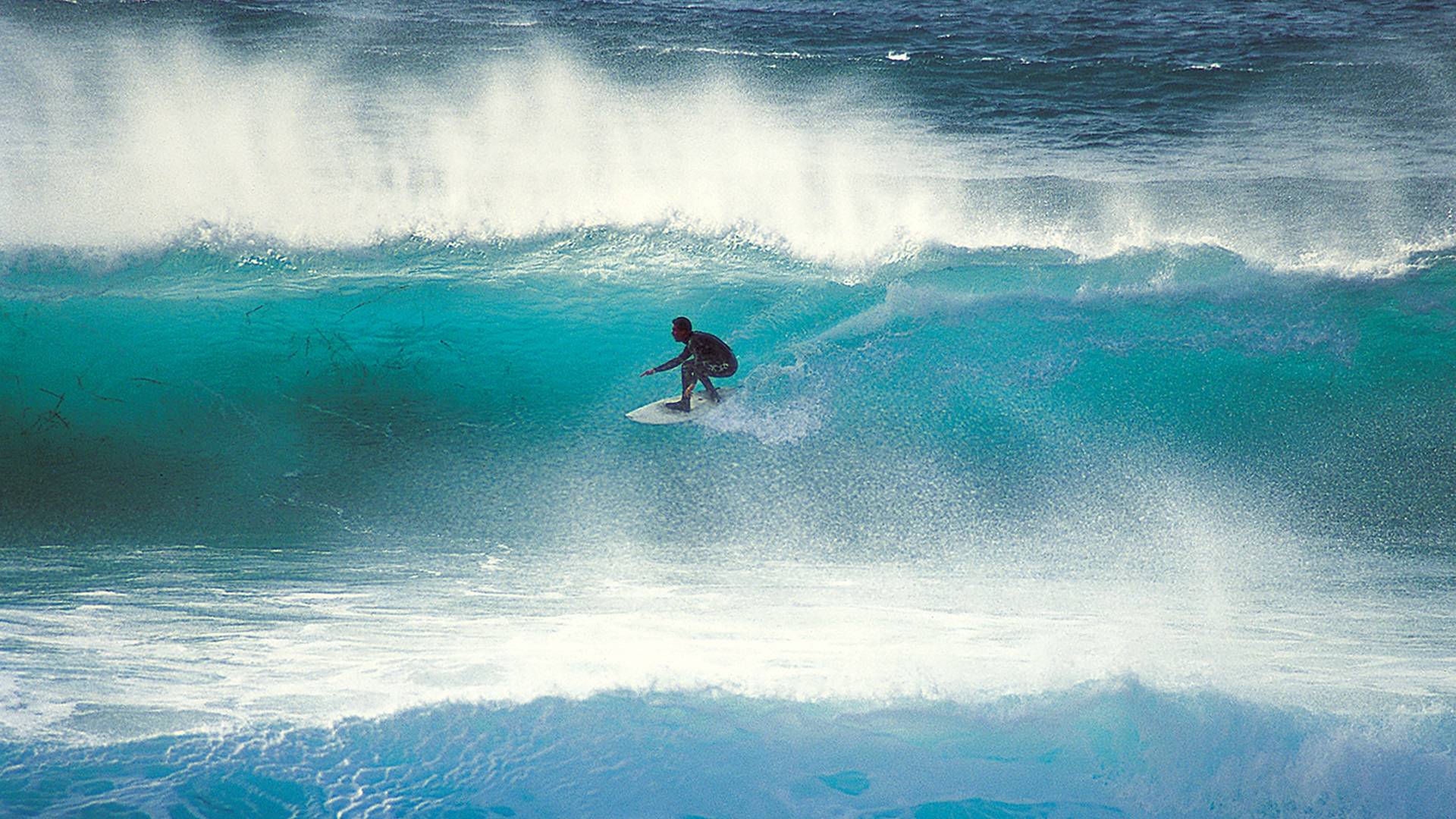
Sardinia is Italy's surf capital, offering the most consistent waves in the country. The island's west coast receives the best swells from the Mediterranean, with spots like Capo Mannu and Porto Ferro providing quality waves during autumn and winter. The water is warmer than Atlantic destinations, and the island's stunning beaches and crystal-clear water make it a beautiful place to surf.
The best time to surf Sardinia is from October to April, when Mediterranean storms generate the most consistent swells. Summer can be flat, but occasional swells do arrive.
The Most Famous Surf Spots in Italy
Capo Mannu
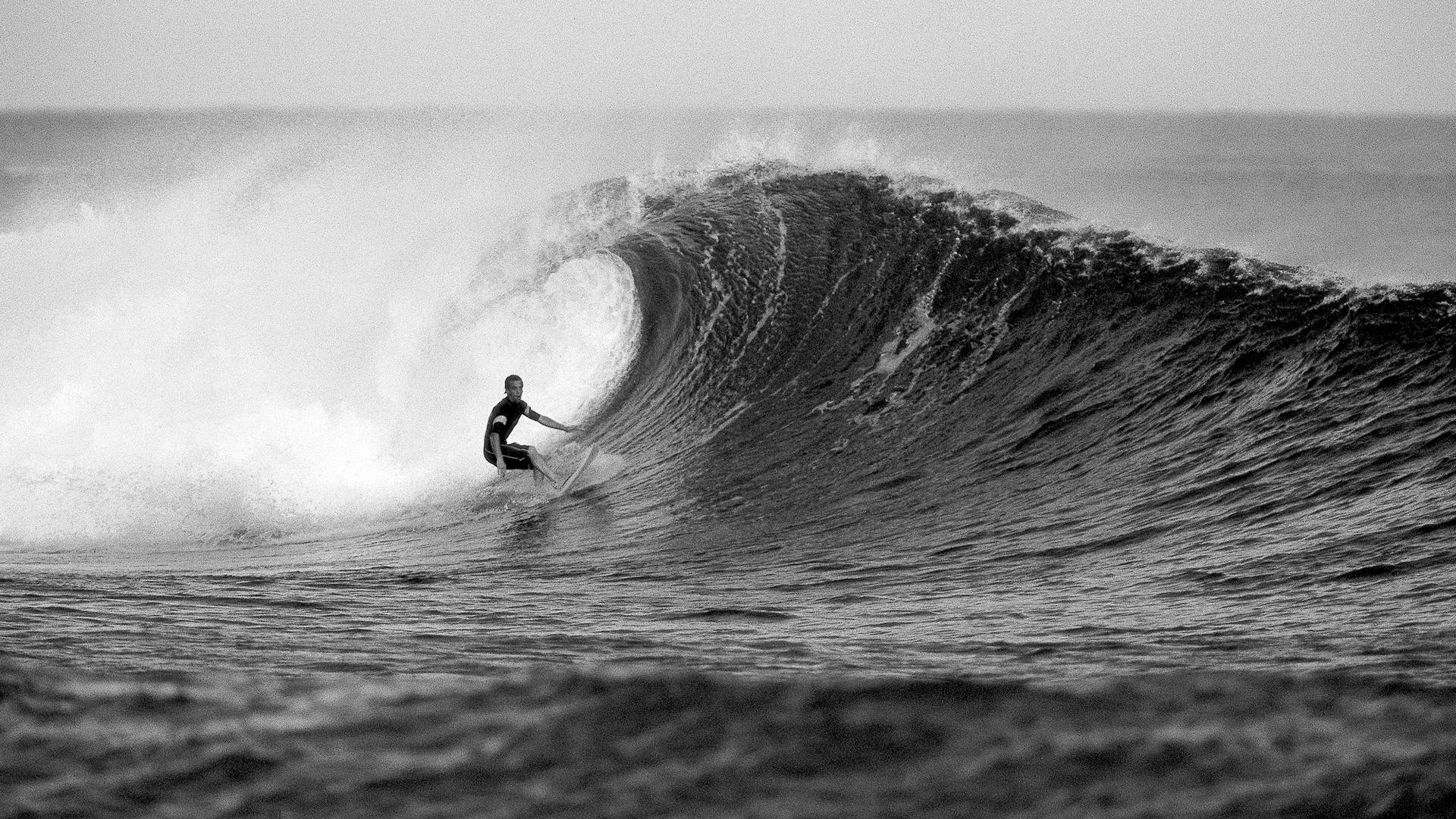
Sardinia's most famous wave, Capo Mannu is a powerful reef break that can produce excellent barrels on solid swells. The spot works best on northwest swells and can hold size.
Porto Ferro
A beautiful beach break near Alghero, Porto Ferro offers consistent waves and stunning scenery. The spot is popular with local surfers and visitors alike.
Buggerru
A reef break on Sardinia's southwest coast, Buggerru offers quality waves in a dramatic setting.
Surf Scene in Italy
Italy's surf scene is small but passionate. The country has a dedicated community of surfers, particularly in Sardinia, and the scene is growing as more Italians discover the sport.
The Mediterranean's limited swell exposure means Italian surfers are used to making the most of every wave. When conditions align, the quality can be surprisingly good.
The best time to surf in Italy is during the winter months, from November to March. This is when the Mediterranean Sea produces the most consistent swells, particularly in Sardinia and Sicily. While summer can have some rare swells, the most reliable waves, especially for the mainland spots in Liguria and Tuscany, are found in the colder months, with February and March being particularly good.
Italy offers a variety of waves suitable for all skill levels. Beginners can find gentle waves and surf schools in places like Levanto and the Isola delle Femmine in Sicily. Intermediates will find plenty of spots to enjoy, especially during the winter swell season. Advanced surfers can find more challenging waves in Sardinia's west coast and even some barrel waves on big days. It's a great destination for a surf trip for all levels.
In the prime winter surf season (November-March), the water temperature in Italy is quite cool. You can expect temperatures around 15°C (60°F), so a 4/3mm wetsuit is essential to stay warm. In the autumn and spring, the water is a bit warmer, around 17-19°C (62-66°F), where a 3/2mm wetsuit might be sufficient. Summer water temperatures are much warmer, but the surf is far less consistent.
For a winter surf trip to Italy, a 4/3mm wetsuit is a must. You might also want to bring booties, gloves, and a hood for colder days. For spring and autumn, a 3/2mm wetsuit should be enough. Besides your surf gear, pack warm clothes for the evenings, a good rain jacket, and comfortable shoes for exploring. Don't forget your sunscreen, even in winter, and a travel adapter for your electronics. A good surf backpack is always a good idea to keep your gear organized.
Italian culture is rich in history, art, and of course, food! After a surf session, you can indulge in authentic Italian cuisine. Each region has its specialties, but you can always find delicious pasta, pizza, and fresh seafood. Don't miss out on the local markets for fresh produce and cheeses. Italians are known for their hospitality and love of life, so take some time to explore the local towns and enjoy a coffee at a piazza. For a deeper dive into the local culture, consider a cultural tour.
The cost of a surf trip to Italy can vary widely depending on your travel style and preferences. A budget-friendly trip could cost around €50-70 per day, while a more comfortable trip with a surf camp in Italy could be around €100-150 per day. This would include accommodation, food, and some surf lessons. Transportation costs will vary depending on where you are coming from and how much you travel within the country.
Surfing in Italy is generally very safe. The surf spots are not known for being particularly dangerous, and the locals are friendly. However, it's always important to be aware of your surroundings and take precautions. Check the weather and surf forecast before you go out, and never surf alone. If you are a beginner, it's a good idea to take a lesson from a local surf school to learn about the specific spot and any potential hazards.
Italy is full of amazing attractions, and there are plenty to explore near the main surf regions. If you're surfing in Liguria, the beautiful Cinque Terre is a must-see. In Tuscany, you can explore the historic cities of Florence and Siena, or the rolling hills of the Chianti wine region. In Sardinia, you can discover ancient ruins, beautiful beaches, and charming towns. No matter where you surf in Italy, you'll find a rich culture and history to explore on your non-surfing days. Check out some day trips from the main surf areas to make the most of your trip.


