Surf Camps in France
Discover diverse surf camps in France offering waves for all skill levels, affordable options, and stunning coastal culture along the Atlantic coast.
France
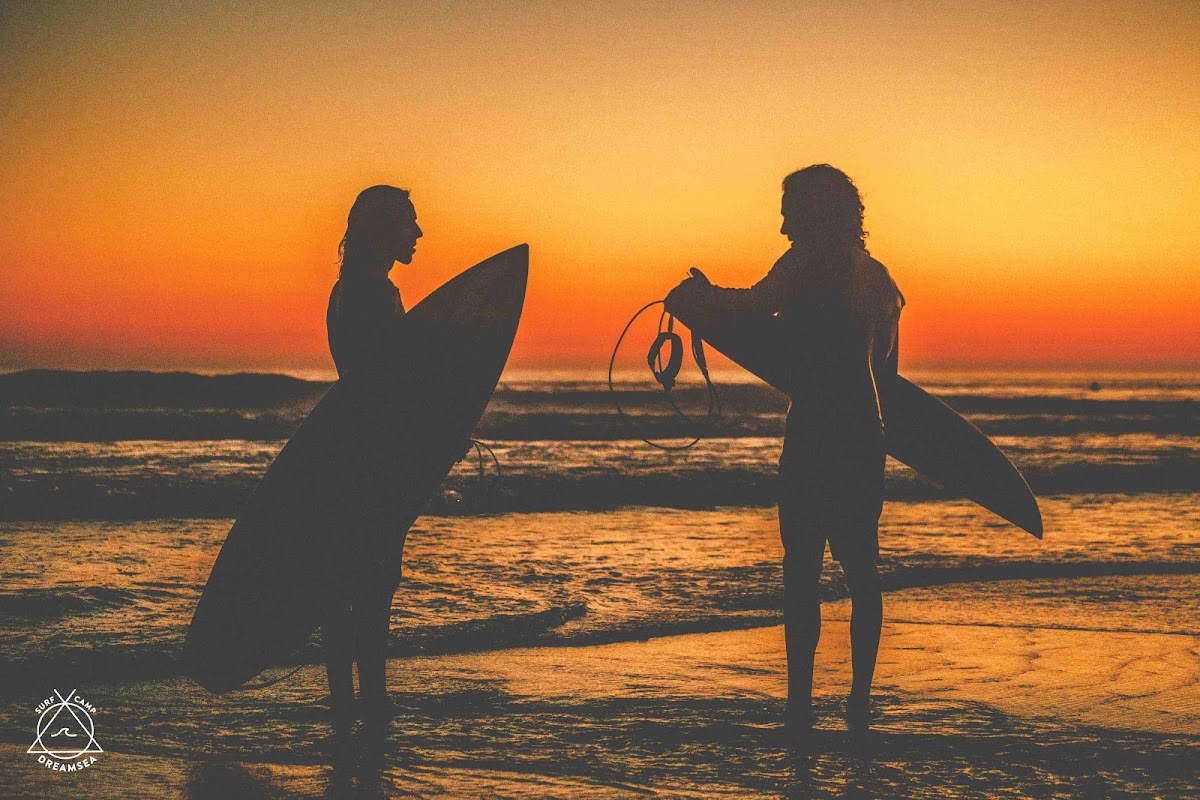
Dreamsea Surf Camp Moliets
Dreamsea Surf Camp Moliets offers expert surf instructors, fresh vegan-friendly food, and fun daily activities just steps from stunning Atlantic waves.
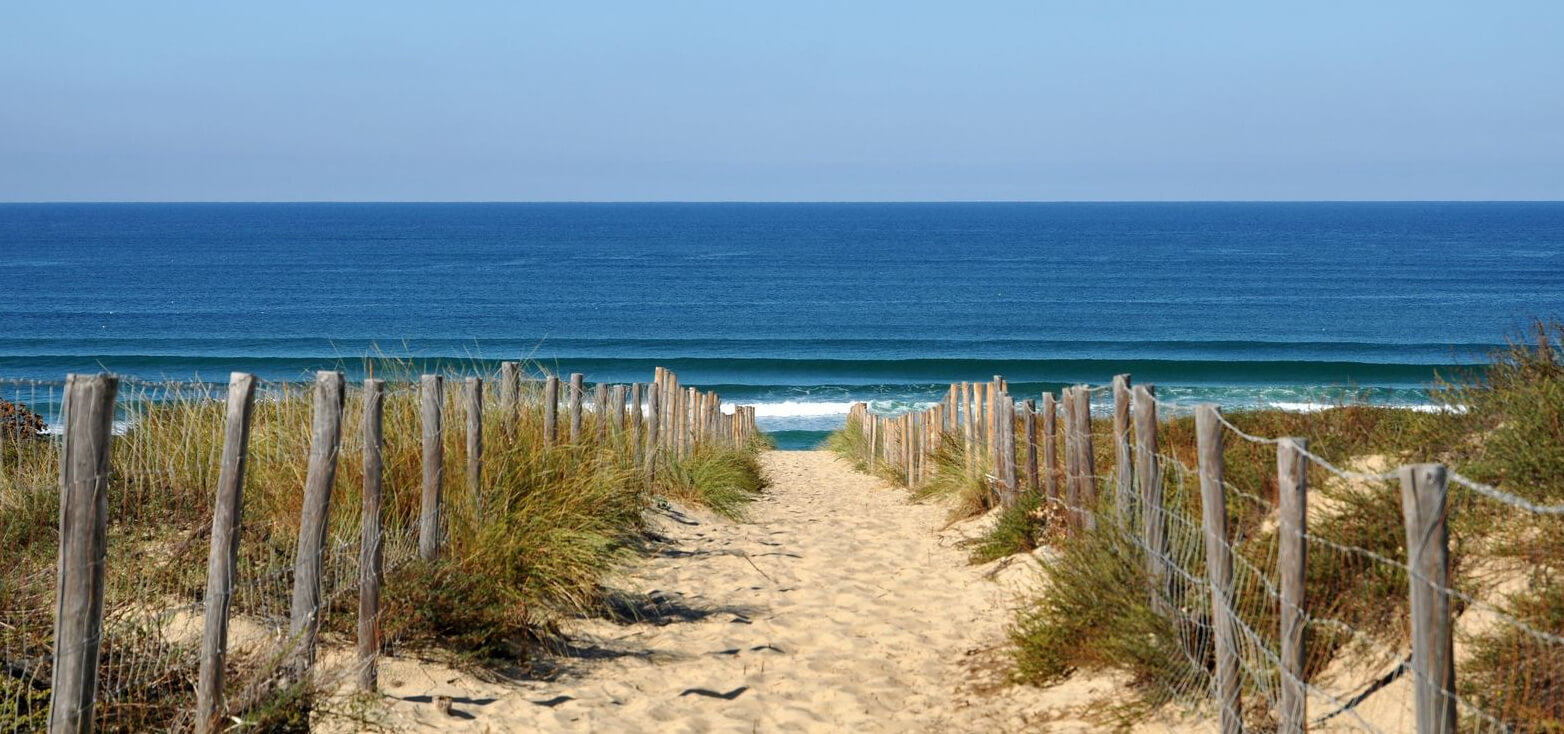
Escf Ecole De Surf Cap-Ferret
Escape to Cap-Ferret's magic, uncrowded beach with authentic natural vibes and iconic wartime bunkers just steps from the surf.
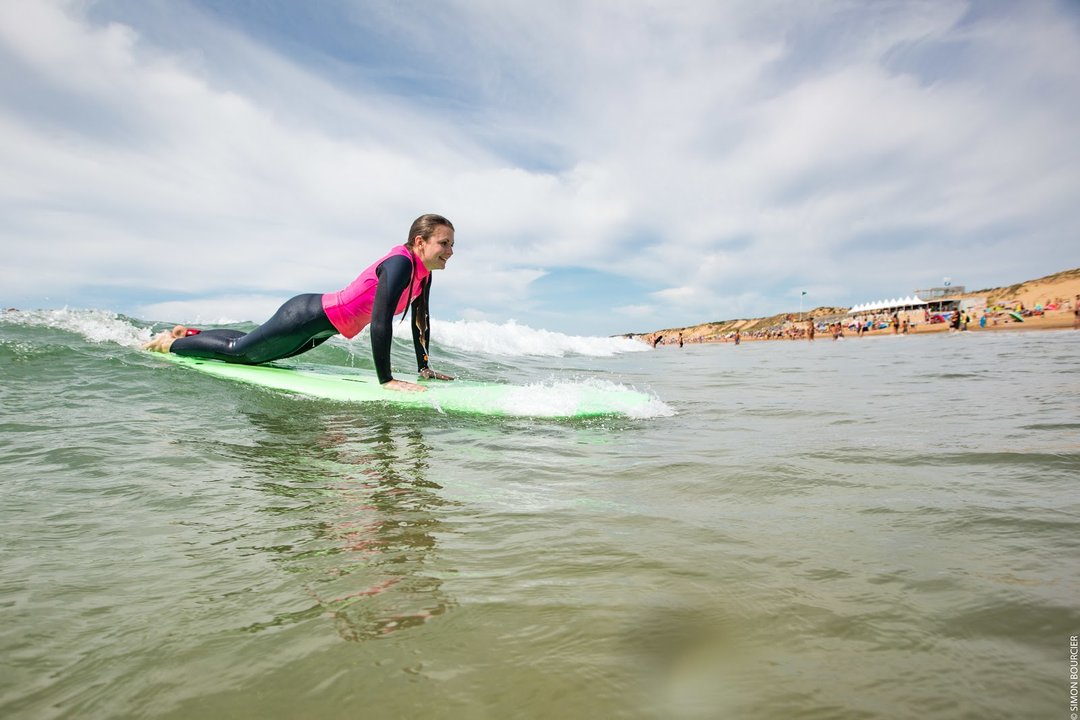
MANU SURF CAMP
Welcoming youth and family surf camp in Longeville-sur-Mer with top-notch entertainment, modern facilities, and a fun, community-driven atmosphere.
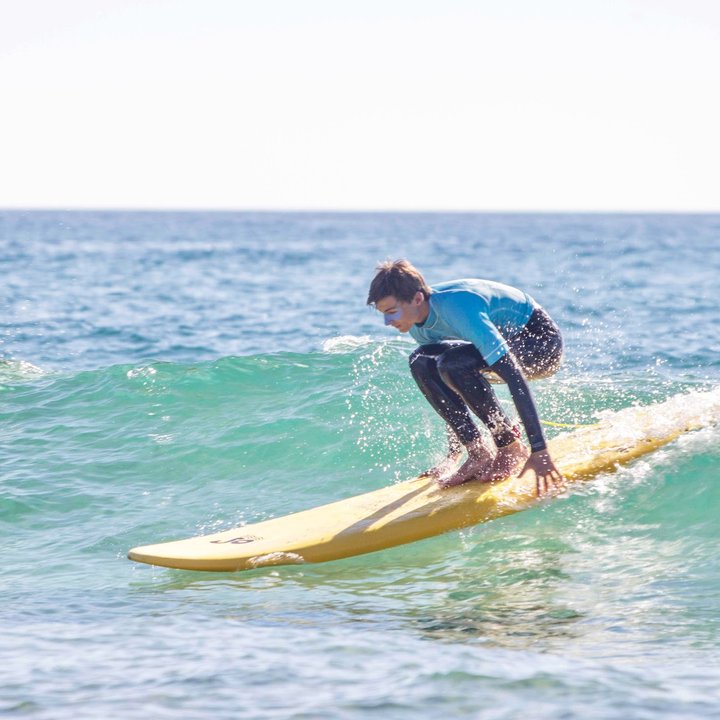
So Nice Surf School & Surfcamp
Family-friendly surf camp in Le Porge offering expert instruction, a welcoming vibe, and a beautiful camping setting just 5 minutes from the beach.
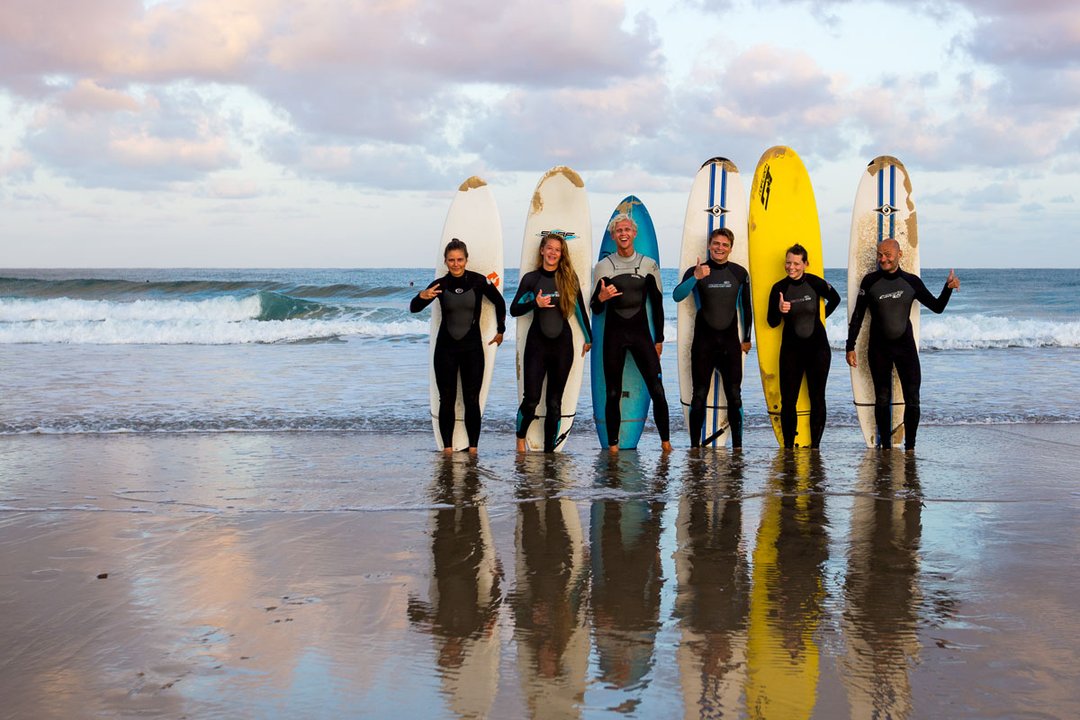
Summersurf | Classic Surfcamp Carcans Plage
Idyllic German-run surf camp in Carcans Plage featuring top-notch tent accommodation, exceptional food, and highly praised instructors in a shady forest.
About France
Nestled along the western shores of Europe, France stands as a magnetic haven for surfers. With its expansive coastline stretching over 3,000 miles along the Atlantic Ocean and the Mediterranean Sea, France emerges as a great choice for wave seekers. From the rugged cliffs of Brittany to the golden beaches of Biarritz, France's diverse coastal landscape offers a playground for surfers to explore.
But the fun goes beyond its waves, as France’s cultural landscape is incredibly rich, with centuries of history and heritage. From the iconic landmarks of Paris to the charming villages of Provence, France exudes an irresistible allure that transcends time. Its rich culinary traditions, world-renowned art scene, and romantic ambiance enchant visitors from every corner of the globe.
In France, surfers not only ride the waves but also immerse themselves in the vibrant tapestry of French culture, making every moment on the water a truly unforgettable experience.
Destination Essentials
- Weather: Summer: Warm to hot temperatures, with average highs ranging from 25°C to 30°C. Spring: Mild and pleasant, 10°C to 20°C. Fall: Comfortable, 10°C to 20°C. Winter: Varies, from cold and snowy in the north to milder on the coasts (0°C to 12°C).
- Currency: Euro
- Languages: French
- Internet Speed: Generally suitable for most needs.
- GDP per Capita: Approximately $40,000 per year.
- Safety: Generally excellent.
- Food Safety: Excellent.
- Foreigner-Friendly: Good, but some natives might be rude.
- Lack of Racism: Varies by region but generally good.
- Female-Friendly: Generally good.
- LGBTQ+ Friendly: Varies by location but generally positive.
- Freedom of Expression: Strong.
- English Speakers: Fair to good.
- Walkability: Excellent in cities and towns.
- Traffic Safety: Generally good.
- Nightlife: Excellent in major cities.
- Places to Work From: Excellent.
- Air Conditioning or Heating: Heating is common, AC is not.
- Plug Type: Type E (French) and Type C (European).
- Electricity: 230V 50Hz.
- Best Taxi App: Uber and Bolt.
- ATM Availability: Good.
- Tipping: Not mandatory, but 5-10% is appreciated.
- Cashless Payment: Widely accepted.
- Tap Water: Generally safe to drink.
What Makes France Special for Surfers
Geographic Diversity and Surfing Opportunities
France's allure to surfers lies in its vast geographic diversity and abundant surfing opportunities along the Atlantic coastline and the shores of the Mediterranean Sea. As we previously mentioned, travelers will find both breath-taking cliffs in Brittany, beautiful beaches painted golden by the sun and pristine waters in Corsica. All of this makes France a surf paradise catering to the varied preferences of wave riders.
Cultural Richness Enhancing the Surfing Experience
France's charm extends beyond its surf breaks, encompassing a rich tapestry of culture, cuisine, and hospitality that elevates every surfing adventure into an extraordinary journey. Each wave becomes more than just a ride; it's an opportunity to immerse oneself in the history, art, and culinary delights of France, adding depth and flavor to the surfing experience.
Best time to visit: All year round
- Spring (Mar to May): Mild temperatures, moderate waves. Ideal for all levels.
- Summer (Jun to Aug): Smaller waves, warm water. Crowded beaches, great for beginners.
- Autumn (Sep to Nov): Consistent waves, comfortable water. Fewer crowds, suitable for all surfers.
- Winter (Dec to Feb): Big waves, colder water. Best for experienced surfers, wetsuits required.
Surf Season and Swell in France
France's diverse coastline presents a myriad of surf possibilities, drawing wave riders from around the globe. Whether exploring the renowned breaks of Hossegor, the hidden gems of Brittany, or the scenic shores of the French Riviera, surfers are greeted with unique experiences shaped by each region's surf season and swell patterns. Let's embark on a journey to ride the waves and discover the beauty and excitement of surfing in France.
Breakdown of different regions or surf spots
- Biarritz: Located in the Basque Country along the Bay of Biscay, Biarritz is one of France's most famous surf destinations. Known for its consistent waves and vibrant surf culture, Biarritz attracts surfers from around the world. The surf season here typically runs from September to May, with the biggest swells during the winter months. Biarritz offers a variety of breaks suitable for all skill levels, from beginner-friendly beach breaks to challenging reef breaks.
- Hossegor: Situated in the Landes region on the southwest coast of France, Hossegor is renowned for its powerful beach breaks and world-class waves. The surf season in Hossegor peaks during the autumn months, from September to November, when large swells from the Atlantic Ocean create epic surfing conditions. Hossegor hosts international surf competitions, including the famous Quiksilver Pro, attracting top surfers and spectators alike.
- Brittany: The rugged coastline of Brittany offers a unique surf experience characterized by rocky reefs, hidden coves, and consistent waves. The surf season in Brittany varies, with swells influenced by Atlantic weather patterns. While winters can be cold and stormy, producing powerful waves, summers offer milder conditions suitable for all levels of surfers. Brittany's wild beauty and uncrowded breaks make it a favorite destination for adventurous surfers seeking solitude and exploration.
- La Côte des Basques (Biarritz): This iconic beach in Biarritz is famous for its long sandy stretches and consistent waves, making it ideal for surfers of all levels. The surf season here extends from spring to autumn, with peak conditions during the summer months. La Côte des Basques offers a relaxed surf atmosphere and stunning ocean views, attracting surfers and beachgoers alike.
- Capbreton: Adjacent to Hossegor, Capbreton offers a diverse range of surf breaks, including beach breaks, reef breaks, and point breaks. The surf season in Capbreton mirrors that of Hossegor, with excellent conditions during the autumn months. Capbreton's laid-back vibe and variety of waves make it a popular destination for surfers seeking a mix of challenging waves and relaxed beach vibes.
Types of Breaks in France
France's coastal landscape is a dynamic mosaic of wave breaks, presenting surfers with a rich assortment of options to match their skill levels and preferences. Whether you're a beginner eager to catch your first wave or a seasoned surfer in pursuit of exhilarating challenges, France's coastline boasts the ideal wave for every enthusiast.
Overview of the diverse wave types
- Brittany - Sandy Beach Breaks: Known for its stunning sandy beach breaks, Brittany offers gentle, rolling waves ideal for beginners. With consistent patterns and a sandy bottom, it provides perfect conditions for those starting their surfing journey.
- Biarritz - Diverse Surf Breaks: Biarritz is a surf haven with a variety of breaks, catering to surfers of all levels. From beach breaks to powerful reef breaks, Biarritz offers something for everyone, creating a dynamic destination for surfers.
- Landes - World Surfing Reserve: Recognized as a World Surfing Reserve, Landes boasts a variety of wave forms suitable for surfers of different abilities. With beach breaks, reef breaks, and point breaks, Landes provides a dynamic surfing environment amidst consistent Atlantic swells.
- Basque Country - Atlantic Variety: The Basque Country offers a unique surf experience with a mix of wave types. From beach breaks to point breaks, surfers can enjoy both challenging conditions and mellow waves amidst stunning landscapes.
Surf Safety and Etiquette Tips in France
Water and Beach Safety:
- Know Your Limits: Surf within your skill level and choose surf spots that match your experience and capabilities.
- Respect Local Guidelines: Familiarize yourself with local beach rules and regulations.
- Check Weather and Swell: Stay informed about the weather forecast and surf reports.
- Use Proper Equipment: Ensure your surfboard is appropriate for the prevailing conditions.
- Stay Hydrated: Drink plenty of water and use sun protection.
- Respect Other Surfers: Follow proper surf etiquette.
- Emergency Preparedness: Familiarize yourself with local emergency procedures.
Respecting the Local Community and Surfers:
- Local Respect: Demonstrate respect towards local surfers and the community.
- Keep the Beach Clean: Practice responsible environmental stewardship.
- Learn Some French: Learning a few basic French phrases can enhance your interactions.
- Support Local Businesses: Choose local surf shops, cafes, and accommodations.
- Research Specific Spots: Research the area to understand local dynamics, rules, and potential challenges.
Accommodation Options
- Surf Camps: Experience a complete surf immersion by opting for surf camps located near renowned surf breaks.
- Beachfront Resorts: Indulge in luxury and convenience at beachfront resorts scattered along France's coastline.
- Villas and Vacation Rentals: For a more private and personalized experience, consider renting a villa or vacation home.
- Hostels: Budget-conscious surfers can find affordable and welcoming accommodations at surfer-friendly hostels.
Accommodation Recommendations by Budget:
- Luxury: Upscale beachfront resorts in Biarritz or boutique hotels in Saint-Jean-de-Luz.
- Mid-Range: Surf camps in Hossegor or beachfront villas in Capbreton.
- Budget: Budget-friendly hostels near surf spots like Lacanau or Anglet.
- Local Charm: Family-run guesthouses or cottages in Biarritz or Saint-Jean-de-Luz.
Activities Beyond Surfing in France
- Hiking Adventures: Explore France's diverse landscapes in the Pyrenees, Brittany's coastal trails, or the picturesque hills of Provence.
- Diving and Snorkeling: Discover the underwater treasures of France's coastal regions.
- Cultural Experiences: Immerse yourself in French culture by exploring historic cities like Paris, Lyon, or Bordeaux.
- Exploration of Local Markets: Experience the vibrant atmosphere of French markets.
- Wine Tasting: Embark on a wine-tasting journey through France's renowned wine regions.
- Festivals and Celebrations: Join in on the festivities at local events and festivals.
- Culinary Adventures: Delight your taste buds with French culinary delights.
- Art and Culture: Explore France's rich artistic heritage with visits to world-class museums, galleries, and cultural institutions.
Local Cuisine and Culinary Delights
Must-try dishes:
- Biarritz and Basque Country: Pintxos - Bite-sized Basque tapas served on skewers.
- Provence: Bouillabaisse - A traditional fish stew.
- Bordeaux: Entrecôte Bordelaise - Grilled ribeye steak with a red wine and shallot sauce.
Navigating Within Surf Regions in France
ACCESSING SURF REGIONS:
- Biarritz and Basque Country: Biarritz Pays Basque Airport (BIQ) is the closest airport. Renting a car is convenient.
- Landes Coast (Hossegor, Capbreton): Biarritz Pays Basque Airport (BIQ) is the nearest airport. Renting a car is recommended.
- Gironde Coast (Medoc, Lacanau): Bordeaux-Mérignac Airport (BOD) is the main airport. Renting a car is convenient.
France's prime surf season runs from September to April when powerful Atlantic storms generate consistent swells. Autumn (September-November) often offers the best combination of good waves, warm water, and pleasant weather. Winter (December-February) brings the biggest swells but can be stormy and cold. Summer (June-August) has smaller waves but warmer conditions, ideal for beginners and longboarders. The southwest coast around Hossegor is the main surf region, receiving swells from the Bay of Biscay.
Hossegor is one of Europe's premier surf destinations, often called the "European Hawaii." The area is famous for powerful, hollow beach breaks that host professional contests. La Gravière is particularly renowned for heavy barrels. The town has excellent surf infrastructure with numerous camps, schools, and board shapers. Waves suit intermediate to advanced surfers, though nearby spots offer gentler options for beginners. The combination of world-class waves, French culture, and vibrant surf scene makes Hossegor special.
France is one of Europe's more expensive surf destinations. Budget accommodation costs €30-60 per night, while surf camp packages range from €700-1,500 per week. Mid-range options with private rooms and meals cost €1,000-2,000 per week. Daily expenses add up - meals cost €15-30, and French wine is tempting. Board and wetsuit rentals are €30-50 per day. The southwest coast is cheaper than the Basque coast near Biarritz. Camping is popular and more affordable during summer months.
French Atlantic waters are cooler than the Mediterranean. Summer temperatures reach 18-22°C, comfortable with a 3/2mm wetsuit. Winter drops to 10-14°C, requiring a 4/3mm or 5/4mm wetsuit with booties. The Basque coast near Biarritz is slightly warmer than further north. Spring and autumn require 3/2mm to 4/3mm depending on conditions. The water is colder than Portugal but warmer than the UK. Good quality wetsuits are essential for comfortable French surf sessions.
France has several beginner-friendly options. Lacanau has gentle beach breaks and numerous surf schools. Capbreton offers sheltered conditions when Hossegor is too powerful. Hendaye near the Spanish border has mellow waves. Biarritz's Grande Plage has a surf school tradition dating back decades. Most French surf towns have established schools with qualified instructors. Summer offers the most beginner-friendly conditions with smaller waves and warmer water. The French surf school system is well-regulated and professional.
France is part of the Schengen Area, so EU citizens can stay indefinitely. Citizens of the USA, Canada, UK, Australia, and many other countries can visit visa-free for up to 90 days within any 180-day period. Ensure your passport is valid for at least 3 months beyond your planned departure. France is easily accessible with direct flights to Biarritz, Bordeaux, or budget flights to nearby Spanish airports. The country's central European location makes it a popular surf destination for travelers from across the continent.
Both are excellent surf destinations with distinct characters. Hossegor is a purpose-built surf town with powerful beach breaks, a younger crowd, and a party atmosphere. It's where serious surfers come for heavy waves. Biarritz is an elegant resort town with a longer history, beautiful architecture, and a more refined atmosphere. The waves are generally more accessible, with options for all levels. Biarritz has better restaurants and nightlife, while Hossegor is more surf-focused. Many surfers visit both during a trip to the French Basque coast.
Essential items include: a 3/2mm wetsuit for summer and 4/3mm or thicker for winter, booties for colder months, sunscreen, and layers for variable weather. French weather can change quickly. Bring a good board bag if traveling with your own equipment. Most gear can be rented locally. Don't forget your EU health card (EHIC/GHIC) if you're from Europe, or travel insurance if from elsewhere. A basic French phrasebook is appreciated, though English is spoken in surf areas. Pack smart casual clothes for enjoying French restaurants and nightlife.
Popular spots like La Gravière and Les Cavaliers can get very crowded, especially during summer and when contests are running. The French surf scene is well-established, and local surfers are skilled and numerous. However, the extensive coastline offers alternatives for those willing to explore. Early morning sessions are less crowded. Weekdays are significantly quieter than weekends. The vibe can be competitive at famous breaks, so respect lineup etiquette. Traveling in shoulder seasons (September-October, April-May) helps avoid peak crowds.
Absolutely! The southwest surf coast is near some of France's best wine regions. Bordeaux is just an hour from the surf, offering world-famous wines and beautiful châteaux. The Basque region has its own wine traditions, including Irouléguy. Many surf camps organize wine tasting excursions. The combination of morning surf sessions and afternoon wine tasting is a uniquely French experience. The region also offers excellent food - from fresh oysters to duck confit. France offers a surf trip that satisfies both wave-riding and culinary desires.
Renting a car is the most flexible option for exploring the French surf coast. Prices start from €30-50 per day. The roads are excellent, and the coastline is easy to navigate. Trains connect major cities (Paris to Bordeaux in 2 hours on TGV), and buses serve coastal towns. Many surf camps offer airport transfers and daily transport to breaks. Cycling is popular for getting around individual surf towns. Budget airlines fly to Biarritz and Bordeaux from across Europe, making access easy.
French surf culture has deep roots, with surfing established in Biarritz since the 1950s. The country has produced world-class surfers and has a passionate surf community. The culture blends athletic pursuit with French joie de vivre - expect great food, wine, and conversation alongside serious wave riding. The vibe varies by location - Hossegor is competitive and youth-oriented, while Biarritz is more refined. Localism exists at some breaks but is generally manageable. The French surf industry is well-developed, with quality shapers, surf shops, and media.