
Vote for this project
Coquimbo, a region in northern Chile, offers a long coastline with a variety of uncrowded surf spots. From mellow beach breaks to powerful point breaks, there's a wave for every surfer. Discover the best surf camps in Coquimbo and score the waves of
Coquimbo, located in the northern part of Chile, is a true paradise for surfers seeking uncrowded waves and stunning natural beauty. With its extensive coastline stretching along the Pacific Ocean, this region boasts a diverse range of surf spots suitable for all levels of experience. Whether you're a seasoned pro or just starting, Coquimbo offers a unique and unforgettable surfing adventure.
The surf culture in Coquimbo is laid-back and welcoming. You won't find the same level of crowds as in other popular surf destinations, which means more waves for you. The locals are friendly and always willing to share a wave or two. The region is home to a variety of surf schools and camps, making it an ideal place to learn or improve your skills. The stunning desert landscapes that meet the sea create a truly magical backdrop for your surf sessions.
Coquimbo's coastline is dotted with a wide array of surf breaks. You'll find everything from gentle, rolling beach breaks perfect for beginners to powerful, hollow point breaks that will challenge even the most experienced surfers. Some of the most well-known spots include:
The best time to surf in Coquimbo is during the autumn and winter months (March to August). During this time, the swells are more consistent, and the waves are at their best. The water is cold year-round, so a good wetsuit (4/3mm or thicker) is essential. Booties and a hood are also recommended, especially during the colder months.
What sets Coquimbo apart from other surf destinations is its unique combination of world-class waves, stunning natural beauty, and rich marine life. The region is home to the Humboldt Penguin National Reserve, where you can see these amazing creatures in their natural habitat. The uncrowded lineups and friendly locals make it a truly special place to surf. So, pack your bags, grab your board, and get ready to discover the hidden gems of Coquimbo's coastline.
The prime surfing season in Coquimbo aligns with the spring and summer months, from September to March. During this period, you'll find consistent southerly swells and pleasant weather, with long sunny days perfect for spending time at the beach. Summer (December to March) offers gentler waves, ideal for beginners and intermediate surfers. For more advanced surfers seeking a challenge, the winter months (June to August) bring larger and more powerful swells, though the water is significantly colder.
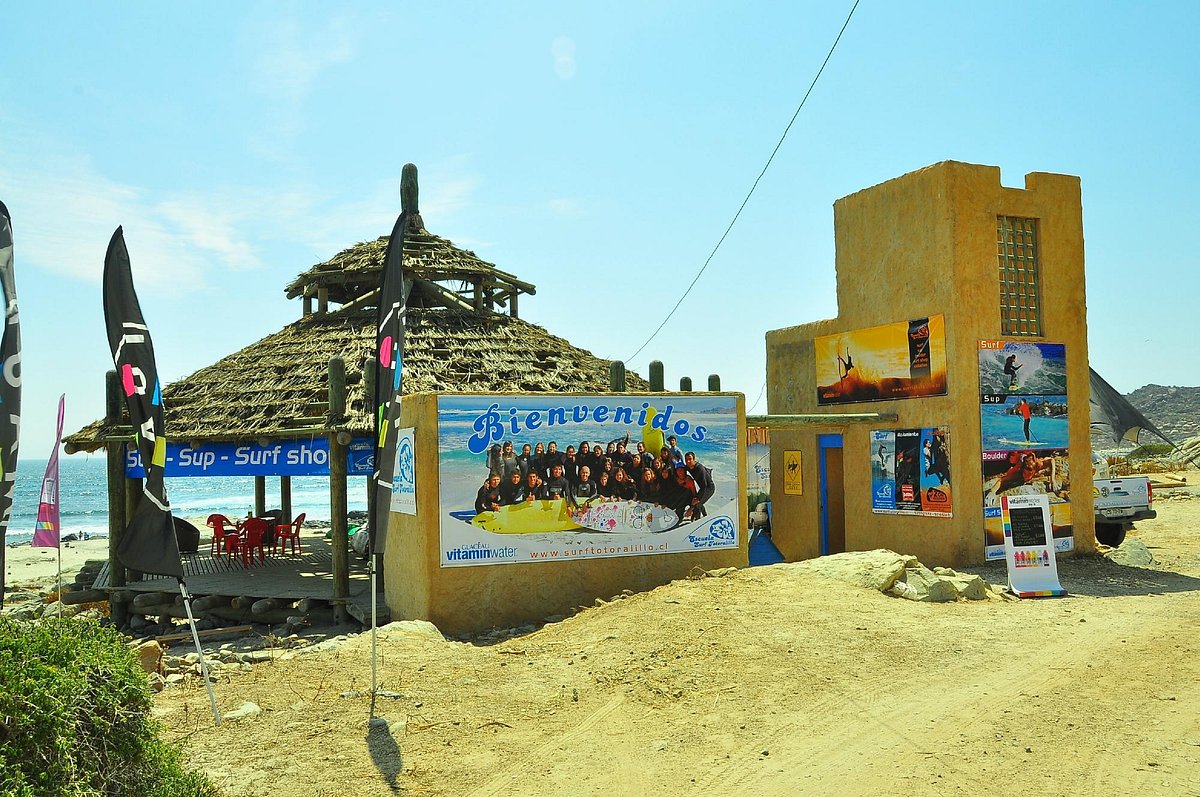
Coquimbo's coastline caters to all skill levels, from complete novices to seasoned experts. Beginners will find gentle, rolling waves at protected beach breaks like Playa La Herradura. Intermediates can enjoy a variety of fun waves at spots like Playa Totoralillo. For advanced surfers, the region offers powerful point breaks and reef breaks that come alive with bigger swells. To explore options tailored to your abilities, check out the surf camps available in Coquimbo.
The Pacific waters in Coquimbo are cool year-round due to the Humboldt Current. Water temperatures typically range from a chilly 55°F (13°C) in the winter to a more comfortable 65°F (18°C) in the summer. A good quality wetsuit is essential regardless of the season. We recommend a 4/3mm wetsuit for winter and a 3/2mm for the summer months. Booties and a hood can also be beneficial during the coldest periods to ensure you can stay in the water longer.
Aside from your surfboard, be sure to pack a reliable wetsuit (a 3/2mm or 4/3mm is recommended), booties, and a leash. The sun in Chile can be very strong, so high-SPF sunscreen, a hat, and sunglasses are crucial. Also, pack warm clothing like sweaters and a jacket for the cool evenings and potentially windy days. While you can rent boards and wetsuits at many local surf shops, bringing your own gear ensures a perfect fit and familiarity.
Coquimbo offers a rich culinary experience centered around incredibly fresh seafood. Don't miss trying local specialties like machas a la parmesana (razor clams with parmesan) and pastel de jaiba (crab pie). The local cuisine has deep roots, blending traditional Spanish recipes with influences from the indigenous Diaguita and Mapuche cultures. For an authentic taste of the region, visit a local picada (a small, traditional restaurant) or explore the fresh produce and artisanal goods at the Slow Food Earth Market.
Coquimbo is a relatively affordable surf destination compared to many other international hotspots. A meal at an inexpensive local restaurant might cost around $8-12 USD, while a three-course dinner for two at a mid-range restaurant would be about $50-60 USD. Accommodation options vary widely, from budget-friendly hostels to more comfortable hotels and apartments. You can find more detailed pricing on our Chile surf camps page.
Yes, Coquimbo is generally considered a safe destination for tourists. The main tourist areas and beaches are well-patrolled and welcoming. However, as with any travel, it's wise to exercise standard precautions. Be mindful of your belongings in crowded areas like downtown Coquimbo or on public transport to avoid petty theft and pickpocketing. Sticking to well-lit areas at night and staying aware of your surroundings will help ensure a safe and enjoyable trip.
Beyond the waves, the Coquimbo region is full of incredible sights. A must-visit is the Elqui Valley, a stunning valley famous for its pisco distilleries and some of the clearest skies in the world for stargazing. You can also explore the charming colonial architecture of the neighboring city, La Serena. For wildlife lovers, a boat trip to the Humboldt Penguin National Reserve from Punta de Choros offers a chance to see penguins, sea lions, and dolphins in their natural habitat.


