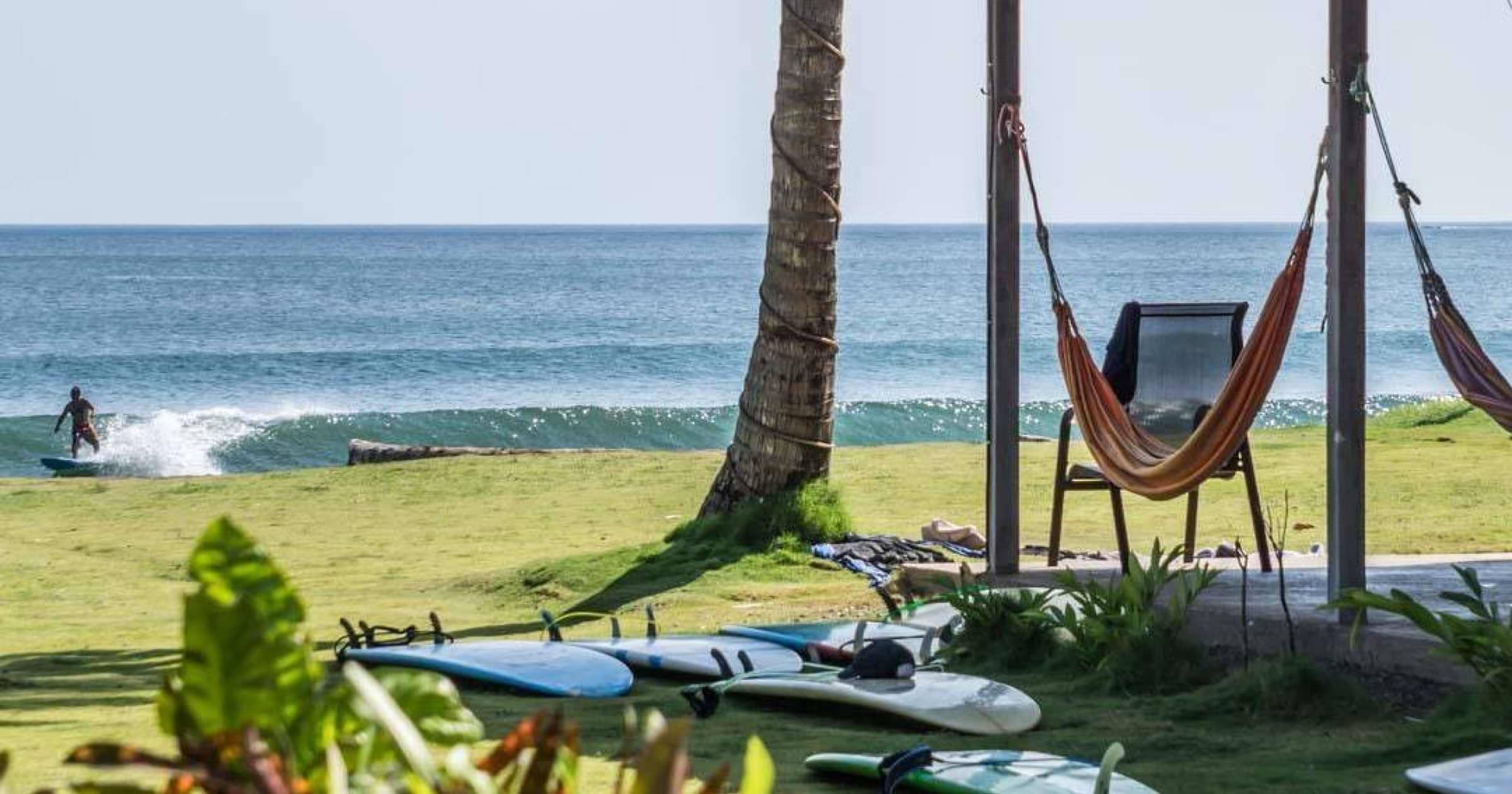
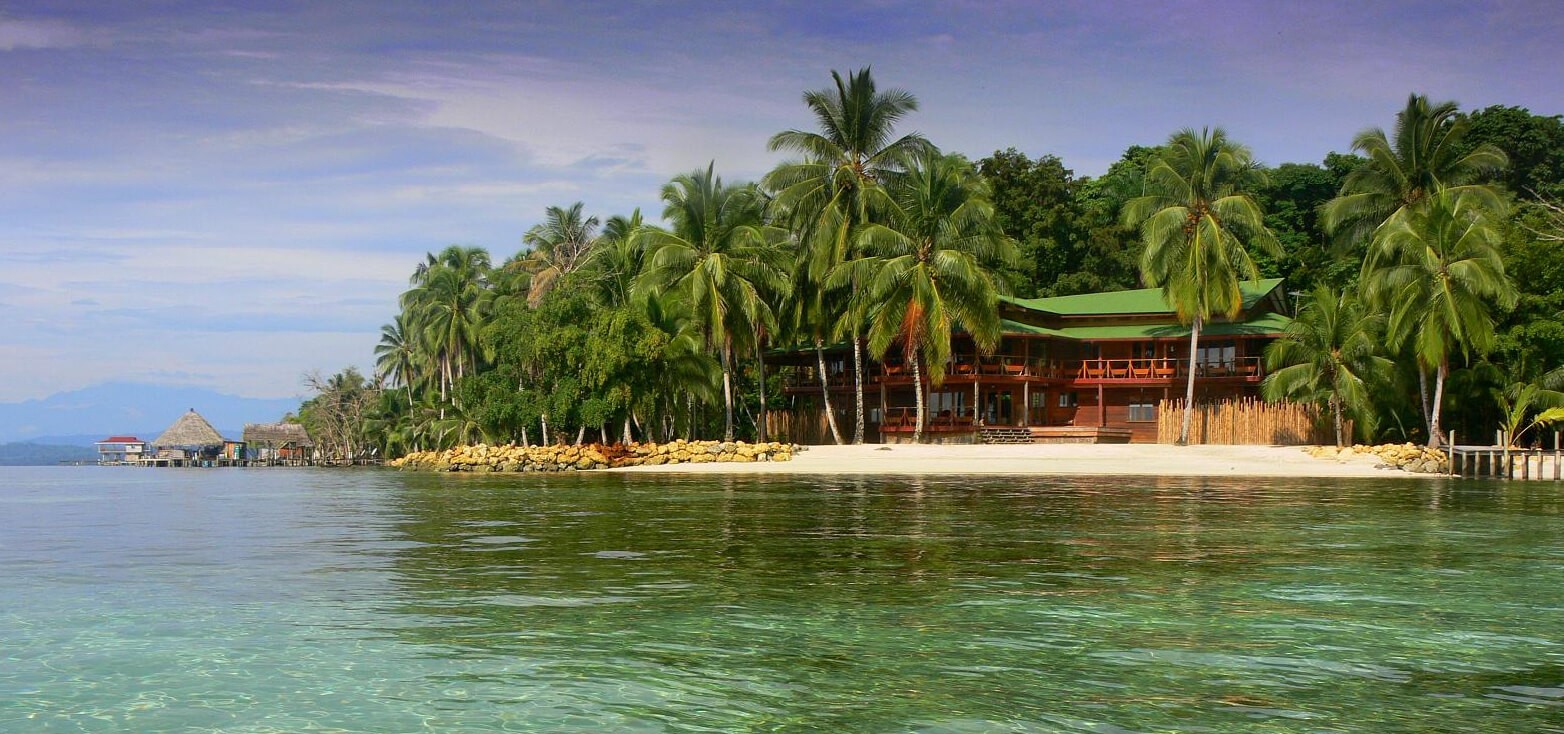
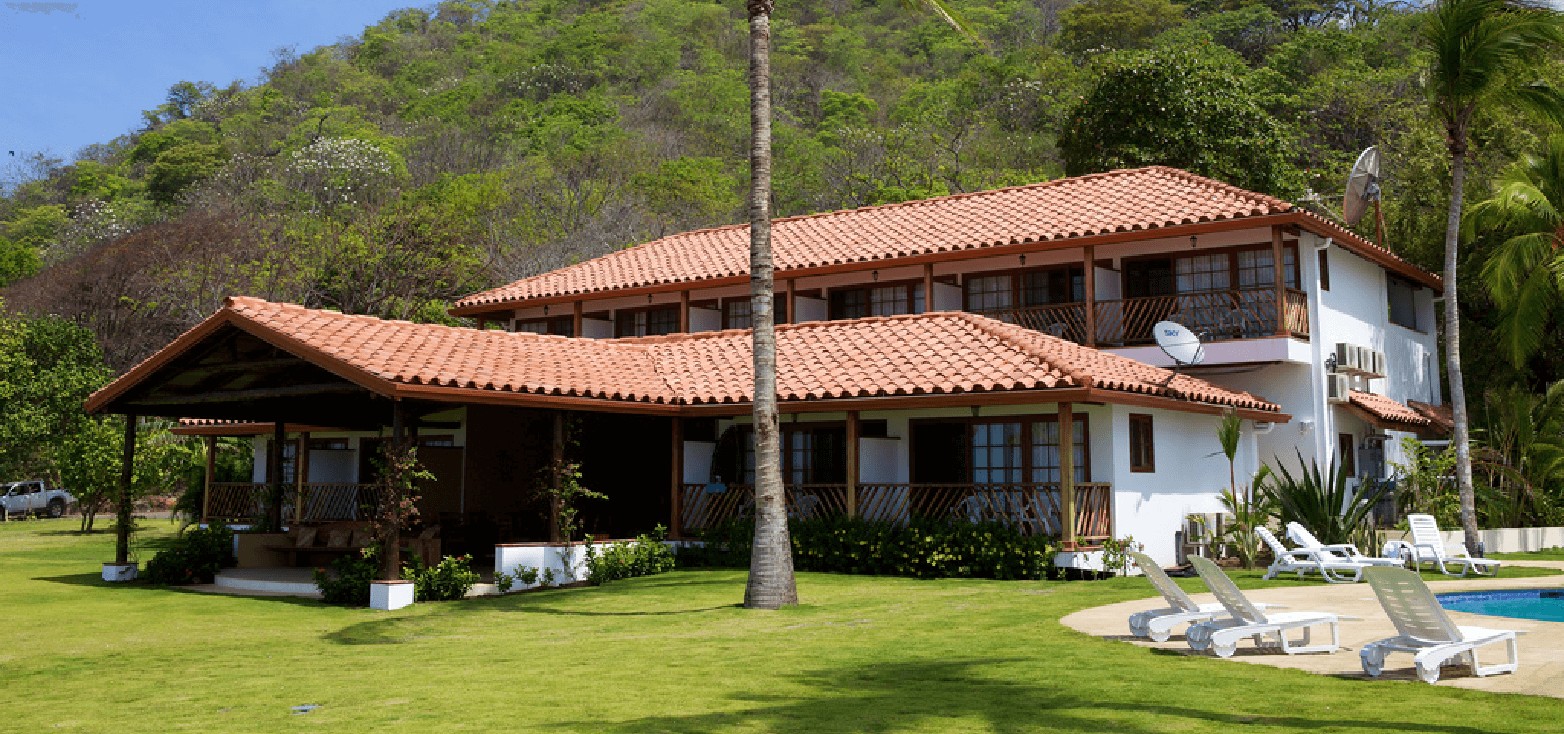
Waves just steps away. Panama's number one surf camp and resort. Offering family surf vacations, surf camps for all levels of experience, yoga, and much more.
Nestled within the lush surroundings of Rancho Escuela del Mar in Panama, Escuela Del Mar Surf School offers an authentic surf experience amid pristine beaches and warm Pacific waters. Surrounded by diverse breaks suitable for all levels, from gentle rollers for beginners to more challenging waves for advanced surfers, this location provides a versatile environment that encourages growth and exploration. Here, you can expect personalized instruction from experienced local instructors who are passionate about sharing their knowledge of surf techniques, safety, and ocean respect, all while immersed in the natural beauty of Panama’s coastline. Whether you’re catching your first wave or refining your skills, the relaxed, welcoming atmosphere ensures a memorable journey into the sport, complemented by the chance to unwind in a tranquil, scenic setting. With its combination of consistent surf, stunning scenery, and dedicated teaching, Escuela Del Mar Surf School promises an enriching experience that fosters confidence and a deep connection to the ocean.
Hotel Playa Cambutal is beautiful beach hotel located on Cambutal Beach, near all the best Cambutal Surf breaks. Come and see why Life is Better in Cambutal.
Oasis Surf Camp in Santa Catalina. 1,332 likes · 509 were here. Oasis Surf Camp is the only hotel facing El Estero Beach. We offer surf lessons, surfboard rentals, and more.
With Panama Surf Charters you can navigate in catamaran to the surfy areas that you have always dreamed. The locations they offer are difficult to access and practically virgins. Because the whole area is uninhabited the only way to enter is by boat. They browse the islands of Bocas del Toro and the Pacific Islands, according to the season. The catamaran offers spacious and comfortable cabins, as well as a lot of space on the deck. Their navigation qualities allows them to quickly move from one place to an
Nestled in the vibrant heart of Bocas Town on Isla Colón, Selina Surf Club offers surfers an authentic Caribbean experience surrounded by stunning turquoise waters and lush tropical landscapes. The camp’s prime location provides easy access to a variety of surf breaks suitable for all levels, from gentle beginner waves to more challenging swells for seasoned riders. Here, you can immerse yourself in the laid-back island vibe while honing your skills under the guidance of experienced instructors who prioritize safety and local knowledge. Whether you're catching your first wave or refining your technique, the relaxed yet professional atmosphere ensures a memorable surf adventure. Beyond the surf, guests can enjoy the warm community atmosphere, connect with fellow travelers, and explore the rich culture and natural beauty of Panama’s archipelago. Selina Surf Club is more than just a surf school; it’s a gateway to discovering the true spirit of island life through the waves.
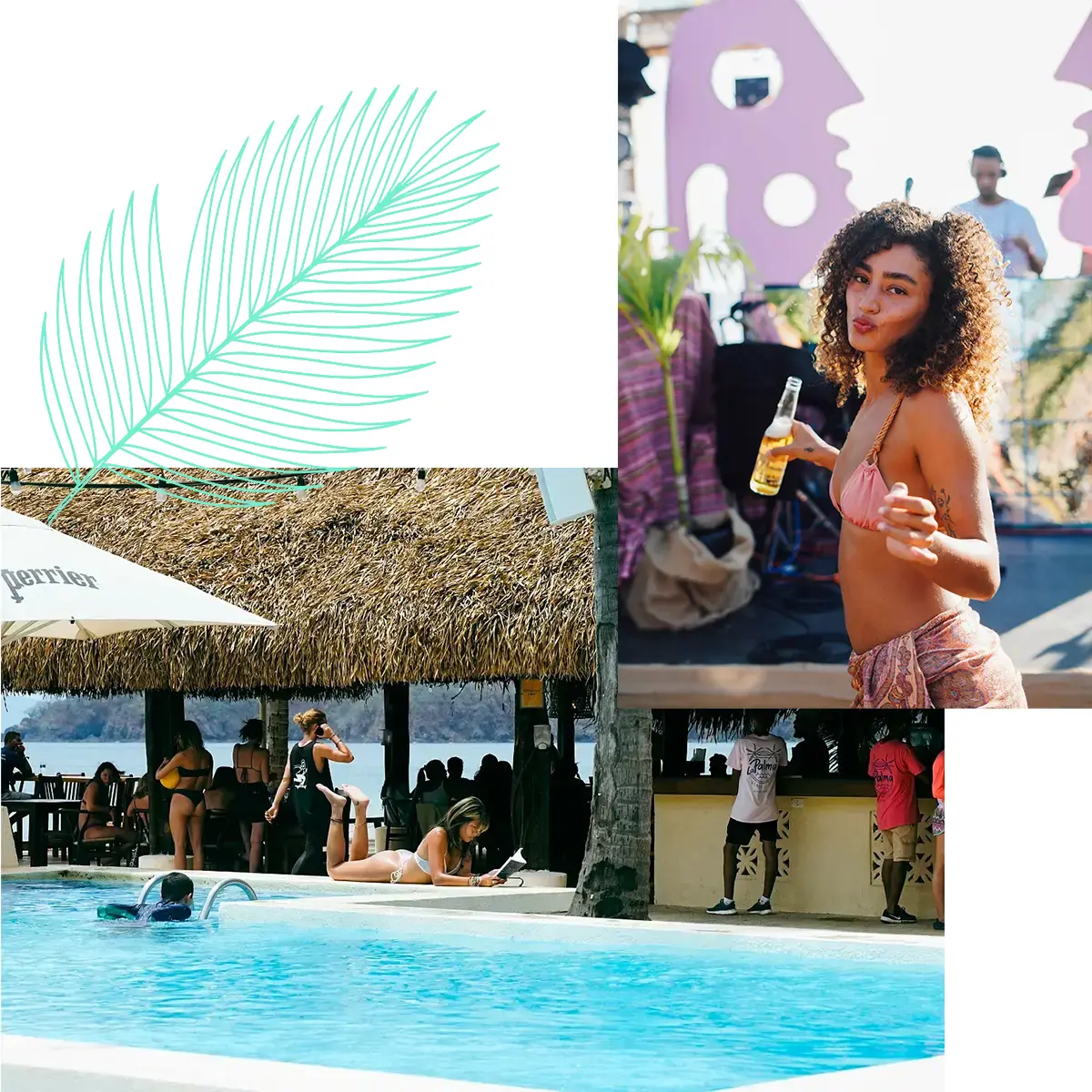
Stay right on the sands of Playa Venao at Selina: surf lessons, yoga sessions, coworking & laid-back beach vibes. Discover Panama’s ultimate beachfront escape.
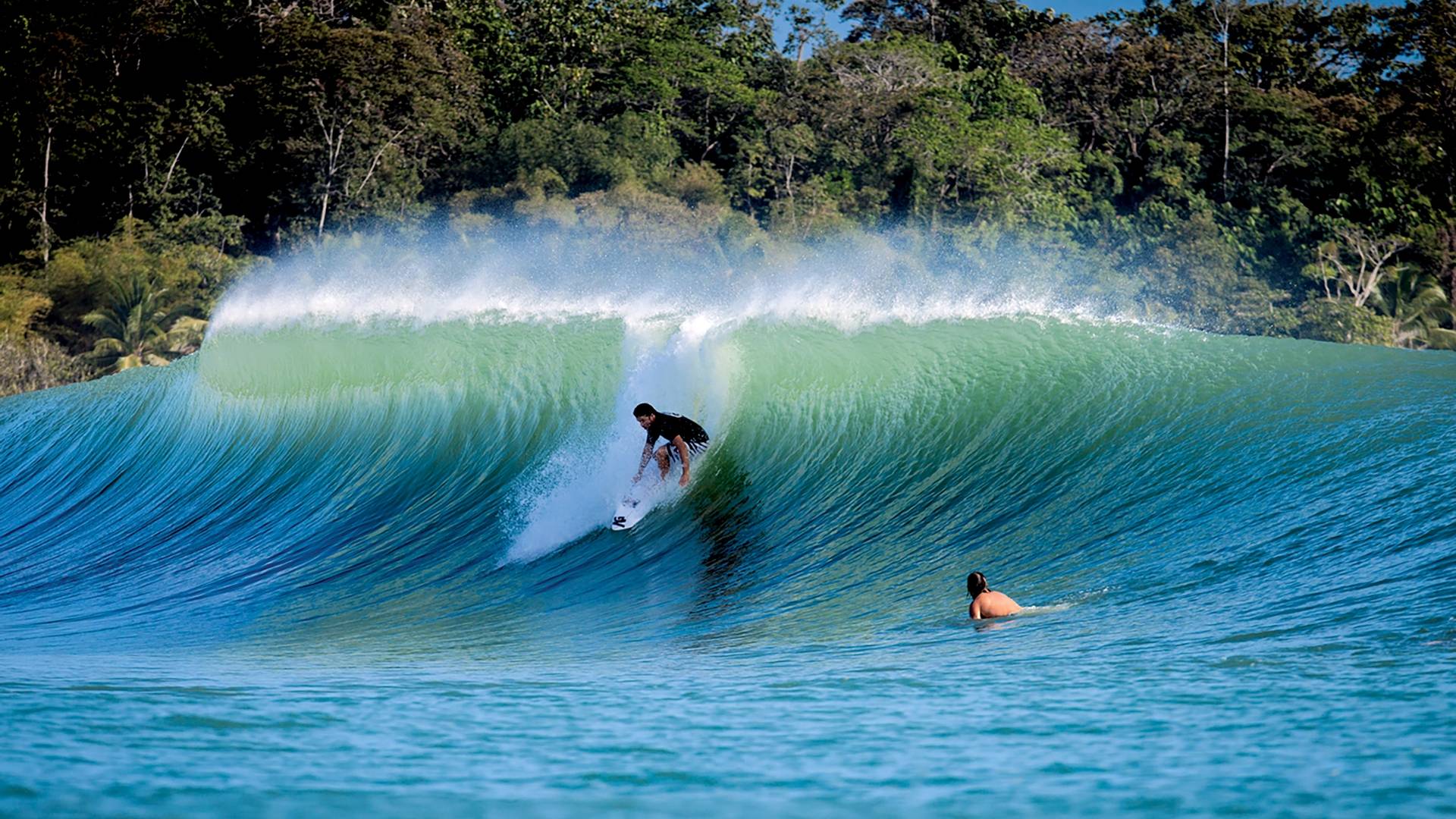
Panama offers diverse surf experiences on both its Pacific and Caribbean coasts, from the tropical islands of Bocas del Toro to the powerful beach breaks of the Pacific. The country's surf camp scene is well-developed, with options ranging from jungle lodges to beachfront resorts.
What makes Panama special is the combination of quality waves, tropical beauty, and the opportunity to experience both Caribbean and Pacific surf in a single trip. The country is easy to travel and offers excellent value.
Bocas del Toro offers tropical surf in a stunning island setting.
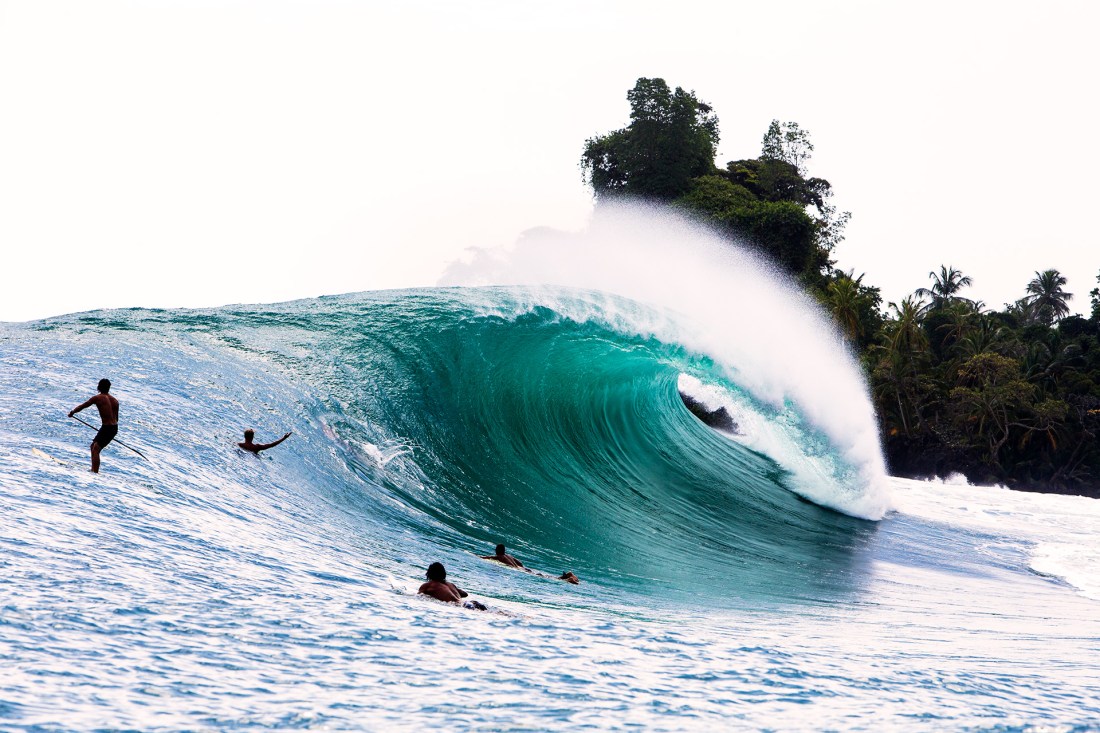
Bocas del Toro is Panama's most famous surf region, a Caribbean archipelago offering tropical waves in a stunning island setting. The area offers a variety of breaks, from mellow beach breaks to powerful reef passes.
A less-traveled region offering quality waves for those willing to explore.
The Most Famous Surf Spots in Panama
Silverbacks
Bocas del Toro's heaviest wave, Silverbacks is a powerful reef break for experienced surfers only.
Paunch
A more accessible reef break in Bocas, offering quality waves for intermediate to advanced surfers.
Playa Venao
A consistent beach break on the Pacific coast, popular with surfers of all levels.
Santa Catalina
A quality point break on the Pacific coast, known for long rides and a laid-back atmosphere.
Surf Scene in Panama
Panama's surf scene is growing, with both the Caribbean and Pacific coasts offering quality waves. The country attracts surfers seeking uncrowded lineups and tropical beauty.
The local Panamanian surf community is passionate and welcoming. The country's position as a transit hub (thanks to the Panama Canal) makes it easy to reach from both North and South America.
Panama receives waves year-round on both its Pacific and Caribbean coasts. The Pacific coast works best from April to October when consistent south swells arrive, with the largest waves typically in July-September. The Caribbean coast (Bocas del Toro) receives swells from December to March. Panama's unique geography means you can surf both coasts in the same trip. The dry season (December-April) has smaller Pacific waves but better weather.
Bocas del Toro is Panama's premier surf destination, offering Caribbean waves in a tropical island setting. The area has numerous breaks across several islands, from the powerful reef breaks at Silverbacks and Dumpers to the mellow beach breaks at Bluff Beach. The waves work best from December to March when Caribbean swells arrive. Bocas combines quality surf with island hopping, snorkeling, and a laid-back backpacker atmosphere. It's one of the Caribbean's best surf destinations.
Panama offers good value for surf travel. Budget accommodation costs $20-40 per night, while surf camp packages range from $500-1,000 per week. Mid-range options cost $800-1,500 per week. Daily expenses are affordable - meals cost $5-15, and local beers are $2-3. Bocas del Toro is slightly more expensive than mainland Panama due to its island location. The US dollar is Panama's currency, making budgeting easy for American travelers. Overall, Panama offers quality waves at reasonable prices.
Citizens of the USA, Canada, EU, UK, Australia, and many other countries can enter Panama visa-free for 90-180 days depending on nationality. Your passport must be valid for at least 3 months. You may need to show proof of onward travel and sufficient funds. Panama's generous visa-free periods make it ideal for extended surf trips. The country is easily accessible with direct flights from major US cities and connections through Panama City's international hub.
Panama has warm tropical waters year-round on both coasts. Pacific temperatures range from 26-29°C, while the Caribbean (Bocas del Toro) is similarly warm at 27-30°C. Boardshorts or a rash guard is all you need - no wetsuit required at any time of year. A light rash guard helps prevent sunburn during long sessions. The consistently warm water is one of Panama's biggest appeals for surfers from colder climates.
Panama has good beginner options on both coasts. In Bocas del Toro, Bluff Beach and Paunch have mellow waves suitable for learning. The Pacific coast has Santa Catalina's inside breaks and Playa Venao's beach breaks. Many surf camps offer beginner programs with qualified instructors. The warm water and uncrowded lineups create a comfortable learning environment. Panama is less developed than Costa Rica, offering a more authentic experience for adventurous beginners.
Pack light for Panama's tropical climate: boardshorts, rash guards, reef booties (essential for reef breaks in Bocas), sunscreen, and insect repellent (important in jungle areas). A light rain jacket is useful year-round as tropical showers are common. Bring any medications you need and a basic first aid kit with antiseptic for reef cuts. Most surf gear can be rented locally but quality varies. Don't forget a dry bag for boat transfers in Bocas, a good water bottle, and quick-dry clothing.
Bocas del Toro is accessed by flying to Bocas Town airport (BOC) from Panama City (1 hour) or by land/boat from Costa Rica. Flights are affordable with local carriers. Alternatively, take a bus to Almirante and a water taxi to Bocas Town (30 minutes). From Costa Rica, cross at Sixaola and take a boat. The journey is part of the adventure - Bocas' island setting is what makes it special. Most surf camps arrange airport or dock transfers.
Panama's surf spots are significantly less crowded than Costa Rica. Bocas del Toro has manageable crowds even at popular breaks. Santa Catalina on the Pacific coast is a small village with uncrowded waves. The country's smaller tourism industry means fewer surfers overall. Early morning sessions are particularly uncrowded. The vibe in the water is generally friendly and relaxed. Panama offers quality waves without the crowds of more developed destinations.
Yes! Panama's unique geography makes it possible to surf both the Pacific and Caribbean coasts in one trip. The country is narrow enough that you can drive from coast to coast in a few hours. Bocas del Toro (Caribbean) works best December-March, while the Pacific coast works best April-October. This means you can chase the best conditions or experience both coasts during shoulder seasons. Panama City is a good base for exploring both directions.
Santa Catalina is a small fishing village on Panama's Pacific coast with excellent waves. The main break is a powerful right-hand point that can hold size and produce long, barreling rides. The village has a handful of surf camps, restaurants, and a laid-back atmosphere. It's less developed than Bocas, offering a more authentic experience. Santa Catalina also offers access to Coiba National Park for diving and snorkeling. The combination of quality waves and remote location attracts surfers seeking adventure.
Panamanian surf culture is small but growing. Bocas del Toro has developed a vibrant surf scene with international influences. Santa Catalina has a dedicated local community. The vibe is generally relaxed and welcoming, reflecting Panama's laid-back Caribbean and Latin culture. The surf community is friendly to visitors. Panama offers a less commercialized experience than Costa Rica, appealing to surfers seeking authenticity. The combination of quality waves, warm water, and uncrowded lineups makes Panama increasingly popular.