# Dreamsea Surf Resort Nicaragua Review I had an amazing experience at **Dreamsea Surf Resort Nicaragua**! The vibe is super relaxed and welcoming, p...
# Giant's Foot Surf Tours Review ## Overview Staying at **Giant's Foot Surf** instantly felt like joining a warm, welcoming community in the heart ...
# Lapoint Surf Camp Nicaragua - Los Clavos Review I recently stayed at **Lapoint Surf Camp Nicaragua - Los Clavos** and had an unforgettable experien...
# Miramar SurfCamp Review ## Overview Stepping into **Miramar Surfcamp**, I immediately felt at home thanks to its warm, family-operated atmosphere...
# Popoyo Surfcamp Review I recently spent a fantastic week at **Popoyo Surfcamp** in Nicaragua, and it exceeded all my expectations. The vibe is laid...
Surf Camps in Nicaragua
Nicaragua is Central America's hidden gem, offering world-class waves, uncrowded lineups, and authentic Latin American culture at affordable prices. The country's surf scene is still developing, which means you can often score perfect waves with just a handful of other surfers.
What makes Nicaragua special is the combination of consistent offshore winds, powerful swells, and a laid-back atmosphere that feels like Costa Rica did 20 years ago. The country offers excellent value and a more adventurous surf experience.
Surf Spots in Nicaragua
Popoyo
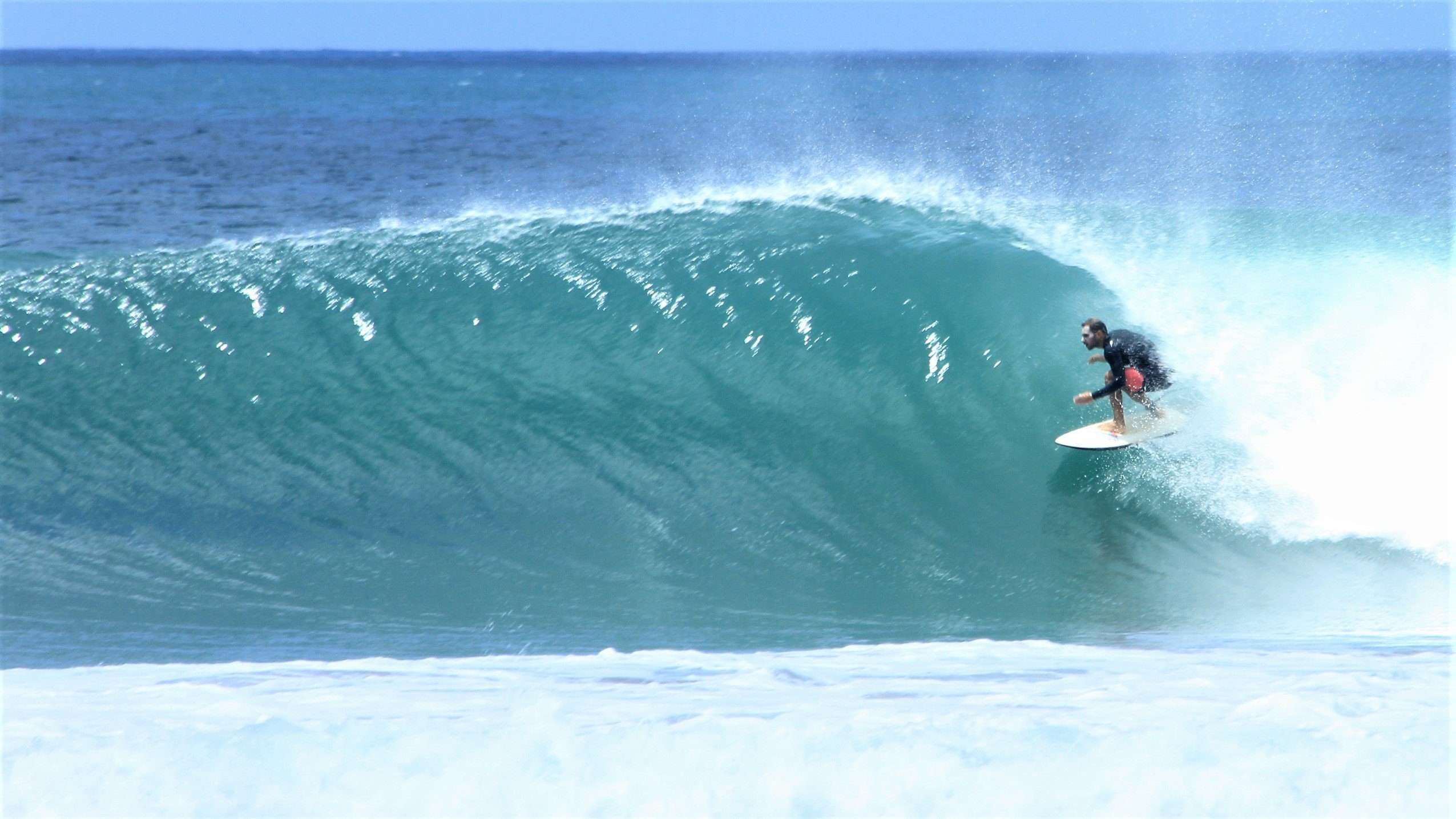
Nicaragua's most famous wave, Popoyo is a powerful reef break that produces hollow barrels on solid swells. The area has developed a small surf tourism industry with camps and restaurants.
Playa Colorado
A consistent beach break near Popoyo, offering waves for all levels.
Playa Maderas
A popular beach break near San Juan del Sur, perfect for beginners and intermediates.
Playa Santana
A quality reef break offering powerful waves for experienced surfers.
Manzanillo
A more remote break offering uncrowded waves for those willing to explore.
Surf Scene in Nicaragua
Nicaragua's surf scene is growing but still maintains a frontier feel. The country attracts surfers seeking uncrowded waves and authentic experiences. The local surf community is small but passionate, and international visitors are welcomed warmly.
The country's affordable prices make it an excellent option for surf trips on a budget. Accommodations, food, and transport are all significantly cheaper than neighboring Costa Rica.
Nicaragua receives waves year-round, with the best conditions from March to October when consistent south swells arrive. The dry season (November-April) offers offshore winds and sunny weather but smaller waves. The rainy season (May-October) brings bigger swells with afternoon thunderstorms - mornings are usually clear and offshore. The largest waves typically arrive in July-September. Nicaragua's Pacific coast faces the right direction to catch swells from both hemispheres, making it remarkably consistent.
Nicaragua has excellent options for beginners. San Juan del Sur has gentle beach breaks and numerous surf schools. Playa Maderas nearby offers mellow waves in a beautiful setting. Popoyo area has beginner-friendly beach breaks alongside more challenging reef breaks. The warm water (26-29°C) means no wetsuit needed, making learning comfortable. Many surf camps offer week-long beginner packages with accommodation, lessons, and equipment. Nicaragua's affordability makes it ideal for extended learning trips.
Nicaragua offers exceptional value for surf travel. Budget hostels cost $15-25 per night, while surf camp packages range from $400-800 per week including accommodation, meals, and lessons. Mid-range surf resorts cost $800-1,500 per week. Daily expenses are very affordable - meals cost $5-12, and local Toña beers are $1-2. Nicaragua is significantly cheaper than Costa Rica while offering comparable waves. The low cost of living makes it popular for extended surf trips and digital nomads.
Citizens of the USA, Canada, EU, UK, Australia, and many other countries can enter Nicaragua visa-free for up to 90 days. Your passport must be valid for at least 6 months. A tourist card ($10) is purchased on arrival. Nicaragua is part of the CA-4 agreement with Guatemala, Honduras, and El Salvador, allowing 90 days total across all four countries. For longer stays, you can do a visa run to Costa Rica. Nicaragua's easy visa rules make it popular for extended surf trips.
Nicaragua has warm tropical waters year-round. Temperatures range from 26-30°C (79-86°F), meaning boardshorts or a rash guard is all you need. No wetsuit is required at any time of year. A light rash guard helps prevent sunburn during long sessions. The consistently warm water is one of Nicaragua's biggest appeals for surfers from colder climates. You can surf multiple sessions daily without getting cold.
Nicaragua has excellent waves along its Pacific coast. Popoyo is the main surf area, with the famous Popoyo reef break offering powerful, barreling waves. Nearby breaks include Playa Santana, Playa Colorado, and Lance's Left. San Juan del Sur has beach breaks and access to Playa Maderas and Playa Hermosa. The northern coast around Chinandega has uncrowded waves. Manzanillo offers a quality point break. Nicaragua's waves are consistent, powerful, and less crowded than Costa Rica.
Nicaragua's safety situation has improved significantly, and surf areas are generally safe for tourists. Stick to established surf towns (San Juan del Sur, Popoyo area) where tourism is the main industry. Avoid displaying valuables and use hotel safes. Travel during daylight when possible. The surf community is welcoming and looks out for visitors. Political situations can change, so check travel advisories before your trip. Most surf travelers have positive experiences, finding Nicaragua friendly and affordable.
Pack light for Nicaragua's tropical climate: boardshorts, rash guards, reef booties (useful for rocky spots), sunscreen, and insect repellent (important during rainy season). A light rain jacket is useful May-October. Bring any medications you need and a basic first aid kit. Most surf gear can be rented locally, but quality varies - bring your own board if you're particular. Don't forget a dry bag for valuables, a good water bottle, and quick-dry clothing. Spanish is helpful as English is less common than in Costa Rica.
Nicaragua offers similar wave quality to Costa Rica at significantly lower prices. Both have warm water, consistent waves, and options for all levels. Nicaragua is less developed, with a more authentic Central American experience and fewer tourists. Costa Rica has better infrastructure, more surf camps, and is generally considered safer. Nicaragua's Popoyo area has more powerful waves than most Costa Rican spots. Budget travelers and those seeking authenticity often prefer Nicaragua, while families and first-time surf travelers may prefer Costa Rica's convenience.
Nicaragua's surf spots are significantly less crowded than Costa Rica or Bali. Even popular breaks like Popoyo have manageable crowds compared to other destinations. The country's smaller tourism industry means fewer surfers overall. Early morning sessions are particularly uncrowded. The vibe in the water is generally friendly and relaxed. As Nicaragua's reputation grows, crowds are increasing at famous spots, but there's still plenty of uncrowded surf to be found by those willing to explore.
Nicaraguan surf culture is growing but remains authentic and unpretentious. Local surfers are talented and the community is welcoming to visitors. The vibe is laid-back, reflecting the country's relaxed pace of life. Surf towns like San Juan del Sur have developed their own character, mixing local culture with international influences. The après-surf scene includes cheap beers, fresh seafood, and stunning sunsets. Many surfers appreciate Nicaragua's authenticity compared to more developed destinations.
Nicaragua offers diverse experiences beyond surfing. Granada is a beautiful colonial city on Lake Nicaragua. León has impressive churches and access to volcano boarding on Cerro Negro. Ometepe Island in Lake Nicaragua has twin volcanoes and unique wildlife. The country has excellent coffee farms in the highlands. Many surf camps organize volcano tours, fishing trips, and cultural excursions. Nicaragua's compact size means you can combine surf with adventure and culture in a single trip.