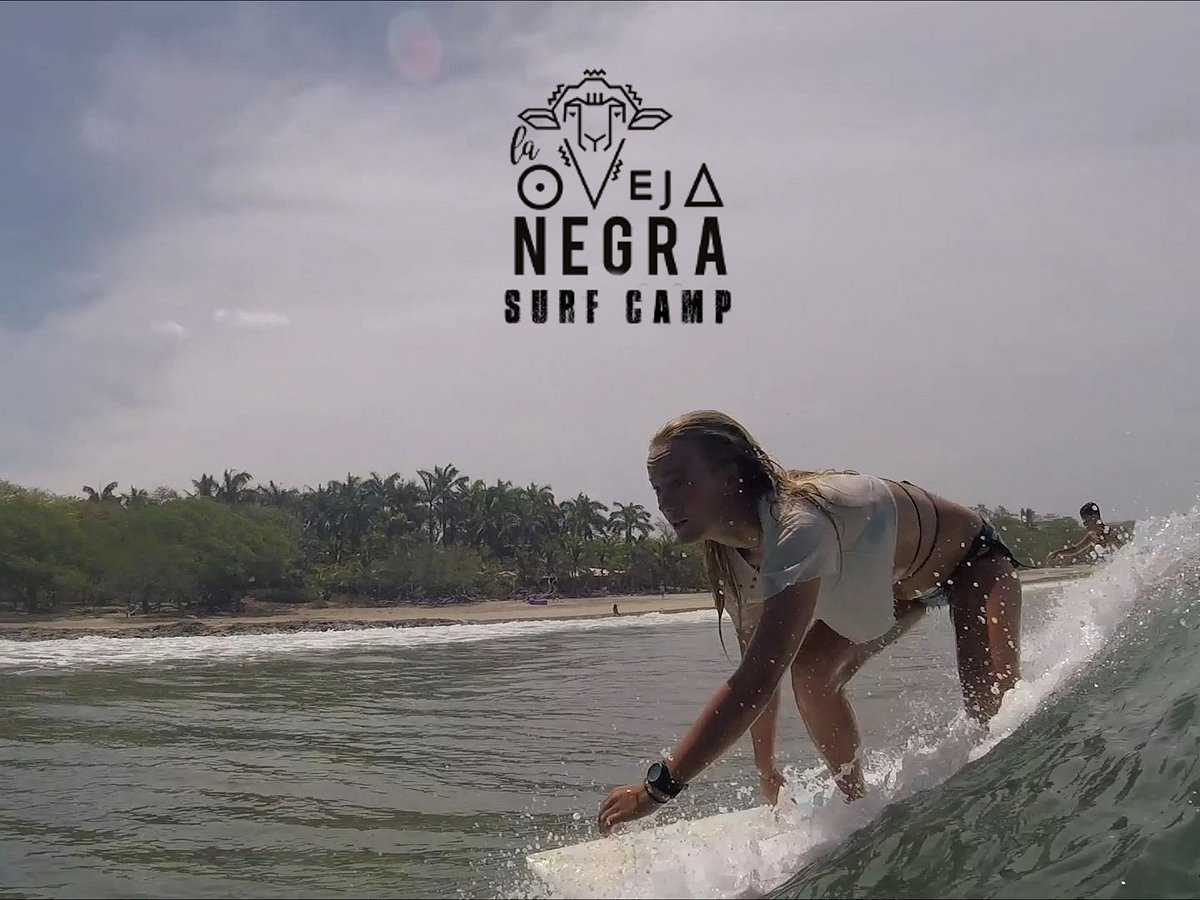
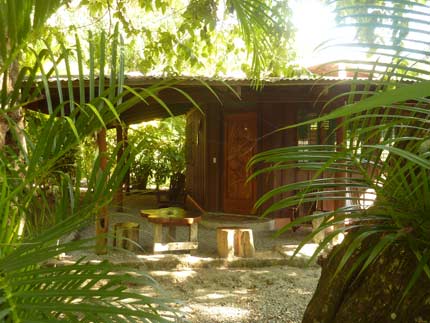
Nestled just 100 meters west of Banco Nacional in the vibrant surf town of Tamarindo, La Oveja Negra Surf Camp & Hostel offers an authentic Costa Rican surf experience in the heart of Guanacaste. Surrounded by golden beaches and consistent waves, this surf camp provides ideal conditions for surfers of all levels—from beginners eager to catch their first wave to experienced riders seeking to refine their technique. The camp’s location ensures easy access to Tamarindo’s renowned breaks, while its relaxed atmosphere fosters a sense of community among travelers and surf enthusiasts alike. Guests can expect personalized instruction, daily surf sessions in warm, inviting waters, and opportunities to explore the diverse coastline. Whether you’re seeking the thrill of riding the surf or simply looking to unwind in a friendly, laid-back environment, La Oveja Negra combines authentic local charm with top-tier surf coaching, making it the perfect base to immerse yourself in Costa Rica’s surf culture. After a day on the water, enjoy comfortable accommodations and the vibrant local scene just steps away, ensuring your surf adventure is both exhilarating and memorable.
Surfer hotel in Mal Pais with all the good vibes of surf culture. From budget rooms to private villas. Only steps from the surf of Santa Teresa Costa Rica
Nestled just 200 meters north of the vibrant Santa Teresa Soccer Field in the heart of Costa Rica’s renowned surf region, Selina Surf Club Santa Teresa North offers an authentic and immersive surf experience. Surrounded by lush tropical scenery and the rhythmic sound of rolling waves, this surf camp provides easy access to some of the area's best breaks, making it ideal for surfers of all levels—from eager beginners to seasoned wave riders. The location’s consistent swell and warm Pacific waters create perfect conditions for learning, improving, and simply enjoying the thrill of catching a wave. At Selina Surf Club, guests can expect a laid-back yet supportive environment where expert instructors guide you through every step of your surf journey, while the vibrant local culture adds a unique flavor to your stay. Whether you're looking to hone your skills or just unwind in a scenic paradise, the camp fosters a community vibe that encourages connection and adventure. With comfortable accommodations, communal spaces, and a prime position in one of Costa Rica’s most celebrated surf towns, Selina Surf Club Santa Teresa North invites you to embrace the surf lifestyle and create lasting memories on the water.
Surf the best waves Puerto Viejo has to offer with the most experienced and certified instructor in the region, offering surf lessons, tours and surf camps.
Costa Rica is Central America's premier surf destination, offering consistent waves on both the Pacific and Caribbean coasts, warm water year-round, and the famous "Pura Vida" lifestyle. The country's surf camp scene is incredibly well-developed, with options ranging from luxury resorts to budget-friendly hostels, all designed to help you make the most of Costa Rica's world-class waves.
What makes Costa Rica special is the combination of reliable surf, stunning natural beauty, and excellent infrastructure. The country is easy to travel, safe, and welcoming to surfers of all levels. Whether you're learning to surf for the first time or hunting barrels, Costa Rica delivers.
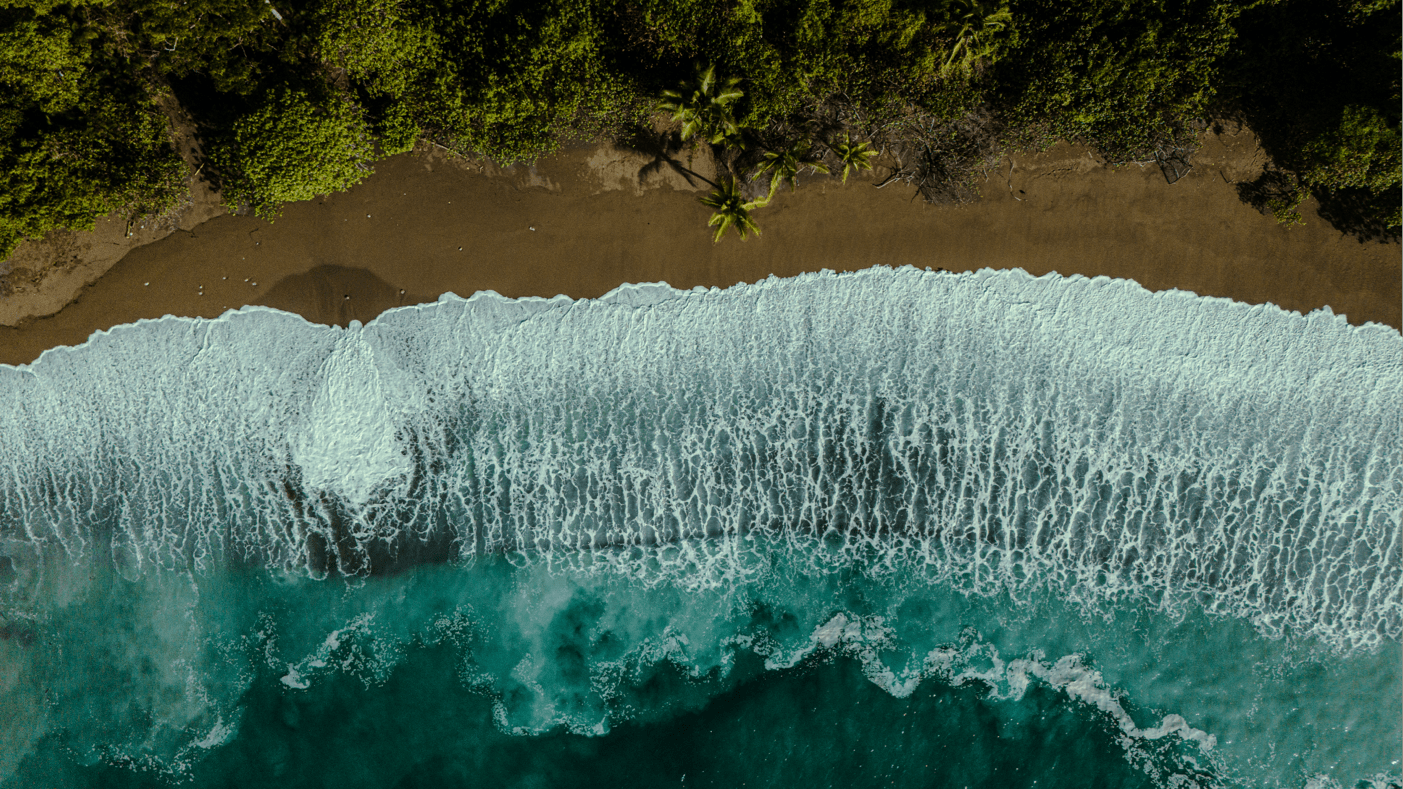
The stunning coastline of Guanacaste offers some of Costa Rica's best surf.
Located in the surf mecca of Nosara, Del Mar offers professional instruction, comfortable accommodations, and access to some of Costa Rica's most consistent waves. Google rating: 4.9★
Founded by legendary surfer Corky Carroll, this camp offers expert instruction in a beautiful beachfront setting. Perfect for beginners and intermediates. Google rating: 4.8★
Guanacaste is Costa Rica's most popular surf region, home to famous breaks like Witch's Rock, Ollie's Point, and Playa Grande. The region offers consistent waves, warm water, and excellent infrastructure. The dry season (December to April) provides the best conditions, with offshore winds and clean swells.
The Puntarenas province includes the famous Nicoya Peninsula, home to surf towns like Santa Teresa, Mal País, and Montezuma. The area offers a mix of beach breaks and point breaks suitable for all levels. The region has a more laid-back vibe than Guanacaste.
The Caribbean coast offers a completely different surf experience, with waves powered by Caribbean swells rather than Pacific storms. The best season is December to March. Salsa Brava in Puerto Viejo is the most famous wave, a powerful reef break for experienced surfers.
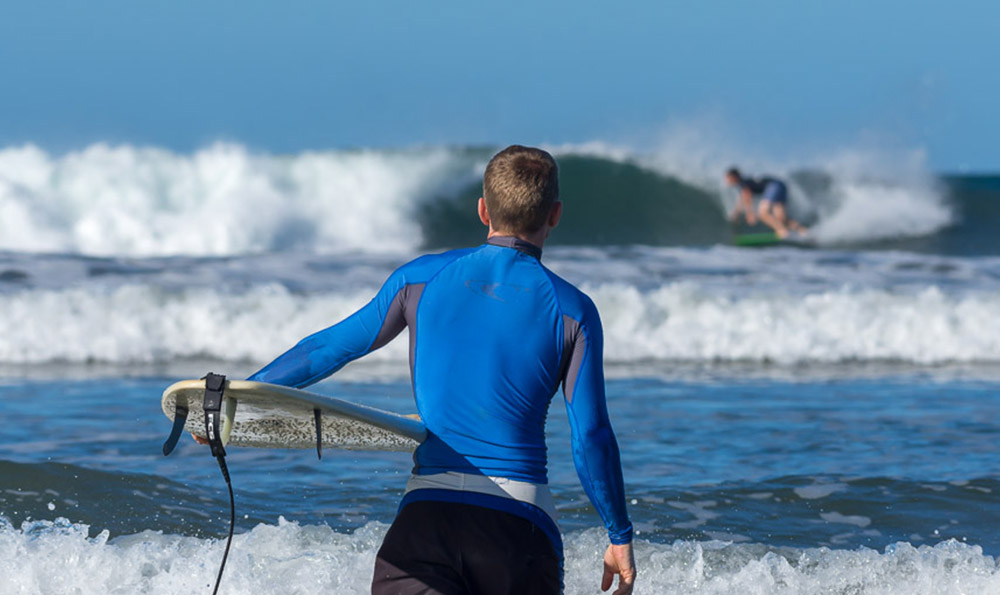
Costa Rica offers consistent waves and warm water year-round.
The Most Famous Surf Spots in Costa Rica
Witch's Rock
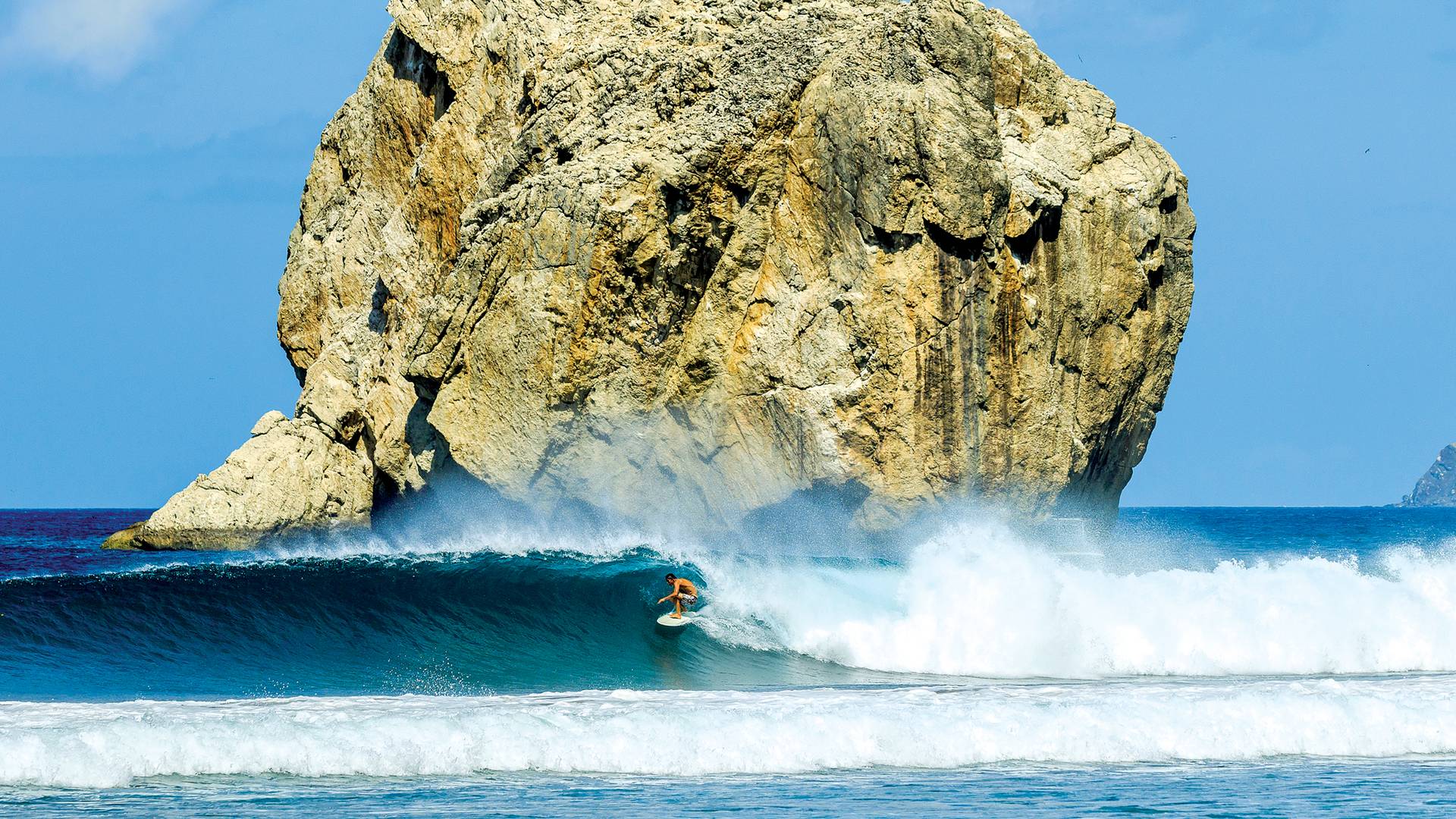
Located in Santa Rosa National Park, Witch's Rock is one of Costa Rica's most iconic waves. The remote location means uncrowded lineups and pristine conditions. Access is by boat from Tamarindo or Playas del Coco.
Playa Grande
A consistent beach break near Tamarindo, Playa Grande offers powerful waves suitable for intermediate to advanced surfers. The beach is also a nesting site for leatherback turtles.
Santa Teresa
The long stretch of beach breaks in Santa Teresa offers waves for all levels. The area has become one of Costa Rica's most popular surf destinations, with a thriving community of surfers and yoga practitioners.
Salsa Brava
Costa Rica's heaviest wave, Salsa Brava breaks over a shallow reef in Puerto Viejo on the Caribbean coast. This is a wave for experienced surfers only.
Pavones
One of the longest left-hand waves in the world, Pavones can produce rides of several minutes when conditions align. Located in the remote south of the country.
Surf Scene in Costa Rica
Costa Rica has one of the most developed surf scenes in Latin America, with a thriving community of local and international surfers. The country has produced professional surfers and hosts international competitions.
Surf tourism is a major part of the economy, particularly in coastal communities. The country's commitment to environmental protection (over 25% of the land is protected) helps preserve the natural beauty that attracts visitors.
The "Pura Vida" lifestyle permeates the surf culture, creating a relaxed, welcoming atmosphere that keeps surfers coming back year after year.
Costa Rica receives waves year-round, but conditions vary by season. The dry season (December-April) offers offshore winds, sunny weather, and smaller but cleaner waves - ideal for beginners. The rainy season (May-November) brings bigger swells from the south, with the largest waves typically in August-October. Afternoon thunderstorms are common but mornings are usually clear. The Pacific coast is the primary surf destination, while the Caribbean coast works best from December to March. There's always somewhere surfable in Costa Rica.
Costa Rica is one of the world's best destinations for learning to surf. Tamarindo, Jacó, and Santa Teresa have numerous surf schools with patient, qualified instructors. The water is warm (26-29°C) year-round, so no wetsuit is needed. Sandy beach breaks provide safe, forgiving learning environments. Many surf camps offer week-long beginner packages with accommodation, lessons, and equipment. The country's excellent tourism infrastructure makes it easy and comfortable for first-time surf travelers. The "Pura Vida" attitude creates a relaxed learning atmosphere.
Costa Rica is mid-range for surf travel. Budget hostels cost $20-40 per night, while surf camp packages range from $800-1,500 per week including accommodation, meals, and lessons. Mid-range surf resorts cost $1,500-2,500 per week. Daily expenses vary - meals cost $8-20, and local beers are $3-5. Renting a 4x4 vehicle costs $50-100 per day. Costa Rica is more expensive than Nicaragua or Panama but offers excellent infrastructure and safety. The shoulder seasons offer better value with fewer tourists.
Citizens of the USA, Canada, EU, UK, Australia, and many other countries can enter Costa Rica visa-free for up to 90 days. Your passport must be valid for at least 6 months and you may need to show proof of onward travel. Costa Rica is popular for extended surf trips - if you want to stay longer, you can do a "visa run" to Nicaragua or Panama and re-enter for another 90 days. The country's stability and easy visa rules make it a favorite for long-term surf travelers.
Costa Rica has warm tropical waters year-round. Pacific coast temperatures range from 26-30°C (79-86°F), meaning boardshorts or a rash guard is all you need. The Caribbean coast is similarly warm. No wetsuit is required at any time of year. A light rash guard helps prevent sunburn during long sessions. The consistently warm water is one of Costa Rica's biggest appeals for surfers from colder climates.
Costa Rica has excellent waves throughout its Pacific coast. Tamarindo is a popular beach town with consistent waves for all levels. Santa Teresa/Mal País offers powerful beach breaks and a bohemian vibe. Pavones is one of the world's longest left-hand waves. Playa Hermosa (near Jacó) has heavy beach breaks for experienced surfers. Witch's Rock and Ollie's Point in the north are accessed by boat and offer uncrowded perfection. The Caribbean's Salsa Brava in Puerto Viejo is a powerful reef break for experts.
Costa Rica is one of the safest countries in Central America for tourists. The country has no army and a stable democracy. Surf towns are accustomed to visitors and generally safe. However, petty theft occurs - don't leave valuables in your car or unattended on the beach. Use hotel safes and be aware of your surroundings, especially at night. Rip currents are the main surf-related danger - always check conditions and respect your abilities. Overall, Costa Rica is very welcoming to surf travelers.
Pack light for Costa Rica's tropical climate: boardshorts, rash guards, reef booties (useful for rocky spots), sunscreen, and insect repellent (important during rainy season). A light rain jacket is useful May-November. Bring any medications you need and a basic first aid kit. Most surf gear can be rented locally, but bring your own board if you're particular. Don't forget a dry bag for valuables, a good water bottle, and quick-dry clothing. A Spanish phrasebook helps in rural areas, though English is widely spoken in tourist zones.
Yes! Costa Rica's compact size makes it possible to surf both the Pacific and Caribbean coasts in one trip. The Pacific coast has consistent waves year-round and is the primary surf destination. The Caribbean coast (Puerto Viejo, Cahuita) works best from December to March when swells arrive from the north. The famous Salsa Brava in Puerto Viejo is a powerful reef break for experienced surfers. A 4x4 rental allows you to explore both coasts - the drive from San José to either coast takes 3-5 hours.
Costa Rican surf culture embodies the "Pura Vida" (pure life) philosophy - relaxed, friendly, and focused on enjoying life. The country has produced professional surfers and has a passionate local surf community. Surf towns like Tamarindo and Santa Teresa blend local culture with international influences. The vibe is generally welcoming to visitors. Localism exists at some spots but is less intense than in other countries. The après-surf scene includes great food, cold beers, and stunning sunsets. Many surfers fall in love with the lifestyle and return year after year.
Renting a 4x4 vehicle is the best way to explore Costa Rica's surf spots. Many roads are unpaved, and river crossings are common - a 4x4 is essential, not optional. Rental costs $50-100 per day. Alternatively, shuttle services (like Interbus) connect major surf towns. Domestic flights save time for longer distances. Many surf camps offer airport transfers and daily transport to nearby breaks. Public buses are cheap but slow and don't reach remote breaks. Having your own vehicle gives maximum flexibility to chase the best conditions.
San José itself is inland, but excellent surf is within a few hours' drive. Jacó is the closest major surf town (1.5 hours), with consistent beach breaks and a lively atmosphere. Playa Hermosa nearby has powerful waves for experienced surfers. The Central Pacific coast offers numerous options. For a quick surf fix, many travelers base themselves in Jacó and make day trips to San José for flights. Alternatively, head to the Nicoya Peninsula (4-5 hours) for Santa Teresa and Mal País, or north to Tamarindo (4 hours).