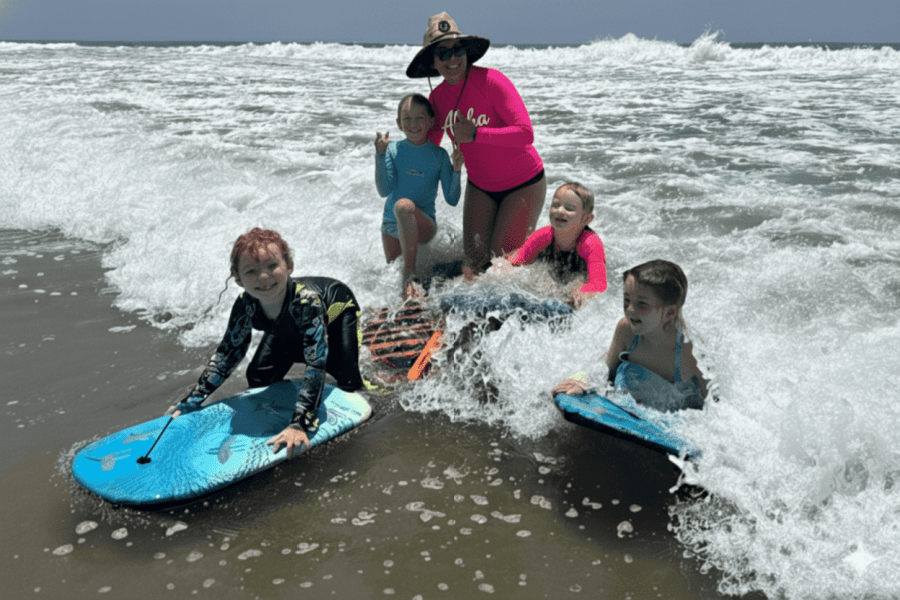
Los Angeles beach camps, surf camps and summer day camps for kids and teens who love the beach. Free transportation included. Join us for summer camp 2026!
Surf Camps in Malibu
Malibu, a name that resonates with surf culture, offers some of the most iconic and diverse surfing experiences in Southern California. From the legendary point breaks to the mellow beach breaks, there’s a wave for every surfer in this coastal paradise.
The Waves
Malibu is blessed with a variety of surf breaks. Surfrider Beach, a right-hand point break, is arguably the most famous and offers long, peeling waves perfect for longboarders and shortboarders alike. For those seeking a faster, more powerful wave, Zuma Beach offers a classic beach break experience. Topanga Beach is another excellent right-hand point break that comes alive on a south swell. For a more secluded and scenic session, Leo Carrillo State Beach and Point Dume offer stunning backdrops and quality waves.
Best Time to Surf
While you can find waves in Malibu year-round, the fall is often considered the best time to surf. During this season, you'll find a combination of fun swells, warm water, and pleasant weather. Winter brings larger and more powerful swells, attracting more experienced surfers. Summer offers smaller, more gentle waves, making it the ideal time for beginners to learn.
Skill Level
Malibu's diverse range of surf spots makes it suitable for all skill levels. Surfrider Beach is a great spot for everyone from beginners to pros, although it can get crowded. Zuma Beach is also beginner-friendly, especially during the summer. More advanced surfers will enjoy the challenges of Topanga Beach and the bigger winter swells at various spots.
The Vibe
What makes Malibu truly special is its rich surfing history and the quintessential Southern California surf vibe. It's a place where you can share waves with surfing legends, soak in the sun on beautiful beaches, and enjoy the laid-back coastal lifestyle. The stunning coastal scenery, with its dramatic cliffs and pristine beaches, adds to the magical experience of surfing in Malibu.
The best time to surf in Malibu is during the late summer and fall, particularly from August to November. This period offers the most consistent swells from the south and southeast, creating the iconic long, peeling waves that Malibu is famous for. While summer brings smaller, more crowded waves perfect for longboarding, the fall offers a mix of warm water and bigger swells, making it ideal for all skill levels. Winter can also have its moments with powerful northwest swells, but the water is colder.
Malibu offers a variety of waves suitable for all skill levels. Beginners can find gentle, rolling waves at world-famous Surfrider Beach, especially on smaller days. For those just starting, a trip to Mondos or the mellow longboard waves at San Onofre are highly recommended. Intermediate and advanced surfers will enjoy the classic point breaks at Surfrider, or the more challenging waves at Topanga Beach and Zuma Beach on a bigger swell.
The water temperature in Malibu varies throughout the year. In the summer and early fall (June to October), the water is at its warmest, typically ranging from 63-70°F (17-21°C). During the winter and spring months (December to May), the water is colder, averaging between 57-62°F (14-17°C). A wetsuit is recommended year-round, with a 3/2mm full suit being sufficient for most of the year, and a 4/3mm full suit recommended for the colder winter months.
For your Malibu surf trip, you'll want to pack a surfboard suitable for the conditions (a longboard is always a good choice for Malibu's classic waves), and a wetsuit appropriate for the season. In addition to your surf gear, be sure to pack sunscreen, a hat, and sunglasses, as the Southern California sun is strong year-round. It's also a good idea to bring a reusable water bottle to stay hydrated. For exploring the area, comfortable walking shoes are a must.
Malibu is known for its laid-back, upscale beach culture. You'll find a mix of healthy cafes, fresh seafood restaurants, and classic California cuisine. A visit to the Malibu Farm Restaurant & Bar on the Malibu Pier is a must-do for its farm-to-table food and stunning ocean views. The surf culture is deeply ingrained in Malibu's identity, with a history stretching back to the golden age of surfing. You'll find a mix of locals and visitors in the water, so be sure to surf with respect and follow proper surf etiquette.
Malibu is one of the more expensive coastal towns in California. Accommodation can range from upscale hotels to more affordable vacation rentals. A meal at a mid-range restaurant can cost between $20-$40 per person. If you need to rent a surfboard, expect to pay around $25-$40 per day. Surf lessons typically start at around $100 for a private lesson. To save money, consider packing your own food for the beach and looking for accommodation in nearby towns like Santa Monica or Ventura.
Surfing in Malibu is generally safe, but it's important to be aware of the potential hazards. The crowds, especially at popular spots like Surfrider Beach, can be a challenge, so it's important to be a competent swimmer and understand surf etiquette to avoid collisions. Rip currents can also be present, so it's a good idea to check the surf report and talk to a lifeguard before paddling out. It's also recommended to surf with a buddy and be aware of your surroundings.
Besides surfing, Malibu offers a wealth of natural beauty and attractions. A visit to the historic Malibu Pier is a must for its shops, restaurants, and fishing. For a scenic hike with stunning coastal views, head to Point Dume State Beach and Preserve. You can also explore the many beautiful beaches, such as Zuma Beach and El Matador State Beach, or take a drive along the scenic Pacific Coast Highway.