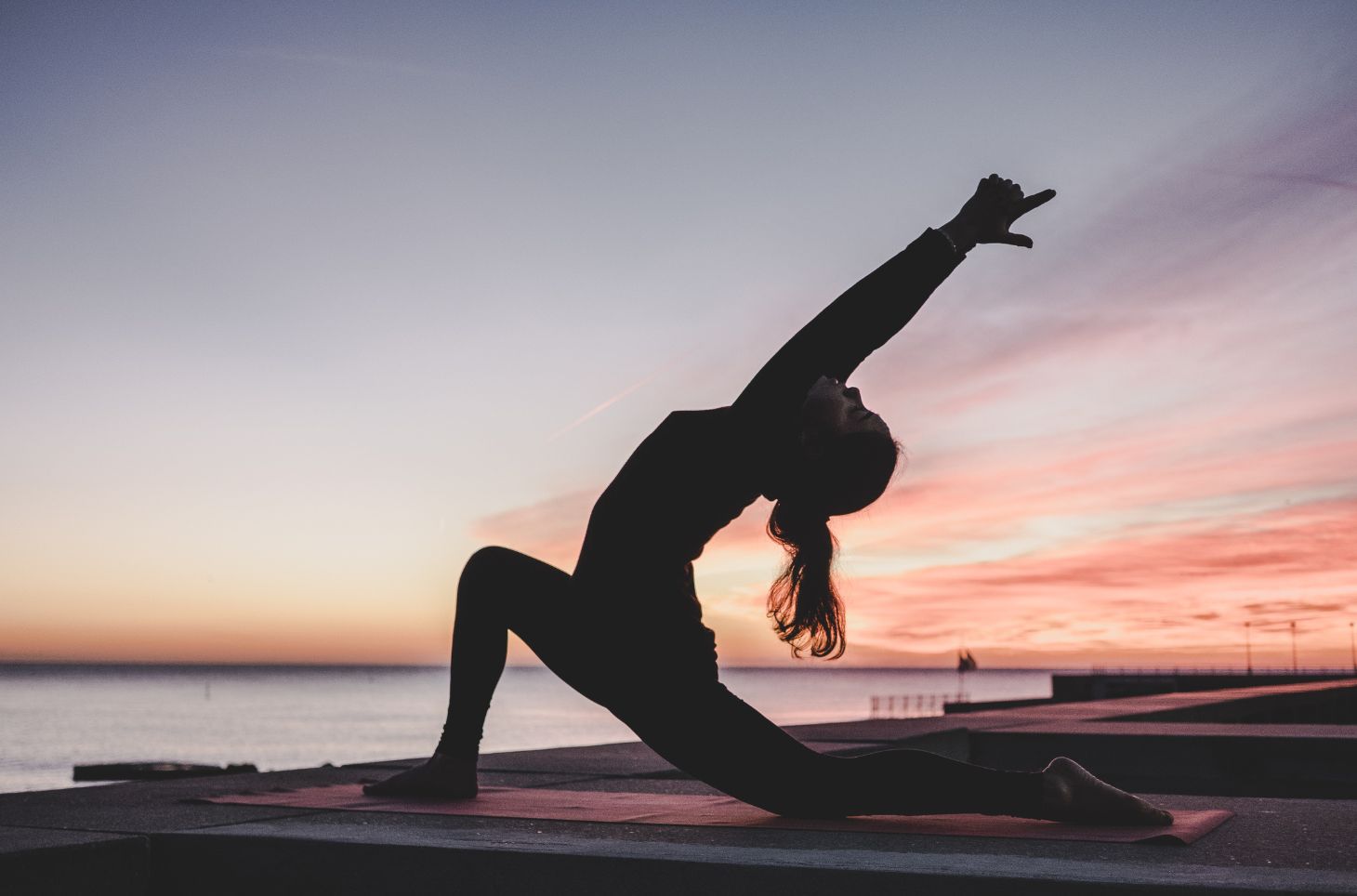
If you thought activities like yoga and surfing aren't connected, this post will reveal how they can positively complement each other. Right from the start, we want to highlight that both disciplines require a connection between the body, mind, and breath control.
In this article, we'll explore the connection between yoga and surfing, delving into their shared benefits.
What is Yoga:
Yoga is a holistic practice that goes beyond physical exercises. It encompasses a diverse range of techniques aimed at fostering overall well-being. The core components include:
- Asanas (Postures): These are physical poses or positions designed to increase strength, flexibility, and balance. Each asana has specific benefits for different parts of the body.
- Pranayama (Breath Control): Pranayama involves breath regulation and control. It focuses on various breathing techniques to enhance lung capacity, increase vitality, and promote relaxation.
- Meditation: A crucial aspect of yoga, meditation involves quieting the mind and cultivating mindfulness. It contributes to stress reduction, improved concentration, and a sense of inner peace.
- Philosophy: Yoga has a rich philosophical foundation, exploring concepts like the interconnectedness of all things, the nature of the self (atman), and the pursuit of a balanced and harmonious life.
- Mantras and Chanting: The repetition of sacred sounds or phrases, known as mantras, is used to focus the mind and create a meditative state. Chanting can also be a communal practice.
- Yamas and Niyamas: These are ethical and moral guidelines that form the foundation of yogic philosophy. Yamas focus on social behavior, while niyamas deal with personal conduct.
- Ayurveda: Often associated with yoga, Ayurveda is a traditional system of medicine that emphasizes balance in bodily systems through practices such as diet, herbal treatment, and lifestyle adjustments.
The Symbiotic Relationship Between Yoga and Surfing:
The intersection of yoga and surfing has deep roots dating back to the 1960s in California, where both lifestyles merged due to their focus on connecting with nature and overall well-being. Surfers began to realize that practicing yoga not only improved their flexibility and balance but also provided mental and spiritual benefits that perfectly complemented the surfing philosophy.
Yoga, with its emphasis on mindful breathing, core strength, and mental relaxation, became a valuable tool for surfers looking to enhance their performance on the waves. The ability to stay calm, focused, and balanced became key aspects that yoga brought to the world of surfing.
Over time, yoga practice became increasingly integrated into the training routines of elite surfers and spread throughout the surfing community. Today, many surfers consider yoga an essential part of their physical and mental preparation, as it not only enhances performance in the water but also helps prevent injuries and promotes a balanced lifestyle.
The combination of yoga and surfing has proven successful, not only in terms of physical health but also in creating a deeper connection with the ocean and the natural environment where surfers thrive. This practice continues to evolve, with specific classes designed to address the specific needs of surfers at different stages of their training.
Benefits to Surfers:
If you haven't incorporated yoga into your pre or post-surf routine, the advantages we're about to highlight might encourage you to start considering it.
- Improves Flexibility:
One of the significant benefits of yoga is its ability to enhance flexibility and joint mobility, essential for surfing's quick movements and the surfer's need to bend and twist. Yoga practice can significantly improve these aspects.
- Strengthens the Core:
Surfing demands significant effort in the core. Yoga can help strengthen abdominal and back muscles, ultimately improving stability on the surfboard.
- Enhances Concentration:
Surfing requires intense concentration and focus to read waves and make quick decisions. The practice of yoga and surfing can improve mindfulness through meditation and breath control.
- Stress Reduction:
Given that surfing is a demanding and stressful sport, especially in challenging conditions, yoga can help reduce stress and anxiety. This, undoubtedly, allows surfers to maintain a calmer and more relaxed attitude in the water, facilitating catching more waves.
- Injury Prevention:
By combining yoga and surfing, surfers can prevent common injuries, such as lower back and shoulder issues. Regular practice of both disciplines can improve posture and balance, reducing the risk of injuries.
- Improve Breathing in Surfing:
A fundamental component of surfing is breathing. Good breathing can enhance performance, increase endurance, and reduce stress—ideal when practicing both yoga and surfing. Yoga proves beneficial in improving breathing, vital for surfing.
Yoga teaches you to pay attention to your breath and consciously control it. This helps you remain mindful and efficient during surfing, aiming to enhance performance and reduce fatigue.
- Improve Lung Capacity:
Breathing techniques learned in yoga, such as diaphragmatic breathing, can increase lung capacity and blood oxygenation. This can be beneficial in surfing, where endurance and lung strength are often needed.
- Increase Body Awareness:
Practicing yoga and surfing as part of your discipline helps develop greater body awareness and connect with your internal sensations—something your body needs when entering the water and responding to its demands.
Stretch Before and After Surfing:
Certainly, warming up before surfing is vital. A simple yoga session can provide the mobility your body needs before catching your waves for the day. As mentioned, after surfing, it's advisable to do some stretches to relax the muscles and prevent injuries. Yoga can be an excellent way to stretch and relax the body after surfing.
Yoga Exercises for Surfers:
1. Downward-Facing Dog (Adho Mukha Svanasana)
This pose helps stretch the muscles of the back, shoulders, and legs. Additionally, it can strengthen the arms and wrists, beneficial for paddling on the surfboard.
2. Plank Pose (Phalakasana)
With this pose, surfers can strengthen the arms, shoulders, core, and legs. It can also improve posture and body alignment.
3. Upward-Facing Dog (Urdhva Mukha Svanasana)
This pose strengthens the back, pelvis, shoulders, and arms actively. These alignments create agility and flexibility and align the body posture.
4. Extended Side Angle (Utthita Parshvakonasana)
It's a great hip exercise that stretches the groin and strengthens the legs, ankles, and knees. At the same time, it releases tension in the shoulders and neck and increases endurance.
5. Eagle Pose (Garudasana)
Stretching the upper back and shoulders, relieving tension and promoting flexibility in these areas. This pose enhances hip mobility, promoting a wider range of motion and reducing stiffness. The pose also strengthens the ankles and calves, aiding in stability and preventing injuries. Garudasana enhances balance and concentration, working the core muscles for stability.
6. Warrior II (Virabhadrasana II)
The posture strengthens your core, including your abs and back muscles, as well as the hip flexors, gluteal muscles, inner thigh, and ankle of the bent leg. Warrior II stretches your chest, stretches and strengthens your shoulders, and increases your endurance.
7. Boat Pose (Paripurna Navasana)
A powerhouse core strengthener. The pose fostering mental and physical focus while promoting overall body awareness, activates your deep core muscles, including the hip flexors and spine. It also strengthens the abdominal muscles and improves balance.
8. Child's Pose (Balasana)
This pose is a gentle stretch for the back, hips, thighs, and ankles. It can also help to relieve stress and fatigue.
9. Cat-Cow (Marjaryasana-Bitilasana)
This is a gentle, accessible backbend that brings flexibility to the spine and releases any tension in the neck and shoulders. It also helps to improve posture and balance.
10. Corpse Pose (Savasana)
This pose is a great way to end your yoga practice. It allows your body to fully relax and absorb the benefits of the other poses. It can also help to reduce stress and anxiety.
Conclusion:
The synergy between yoga and surfing is undeniable. Both disciplines share a deep connection with nature, mindfulness, and the pursuit of a balanced life. By incorporating yoga into their routine, surfers can not only improve their performance on the waves but also cultivate a greater sense of well-being and connection with themselves and the ocean.
So, the next time you're getting ready to catch some waves, consider adding a few yoga poses to your warm-up. Your body and mind will thank you for it.


