The Balearic Islands, a Mediterranean gem, offer a unique surfing experience. While not a typical surf mecca, the islands provide fun waves for all levels, especially in the autumn and winter months. Discover the uncrowded surf spots of Mallorca and
A Unique Mediterranean Surfing Experience
The Balearic Islands, a stunning archipelago in the Mediterranean Sea, are not the first place that comes to mind when you think of a surf trip. However, for those in the know, these islands offer a unique and uncrowded surfing experience, especially on Mallorca and Ibiza. The vibe is laid-back and the scenery is breathtaking, making it a perfect destination for surfers who want to combine their passion for riding waves with a Mediterranean holiday.
The Waves: What to Expect
The waves in the Balearic Islands are primarily wind swells, which means they are generated by local winds rather than distant storms. This results in less powerful and less consistent waves compared to ocean swells. However, when the conditions are right, you can find fun, rideable waves at various spots around the islands. The breaks are a mix of beach breaks, and the occasional point break, offering a variety of conditions for different styles of surfing.
Best Time to Score Waves
The prime season for surfing in the Balearic Islands is from autumn to spring, roughly from October to April. During these months, the Mediterranean Sea is more active, and storms generate more consistent swells. The water is cooler, so a wetsuit is a must, but the trade-off is fewer crowds and more frequent waves. Summer can be flat for weeks on end, so it's not the ideal time to visit if surfing is your main priority.
Who is it for?
The Balearic Islands are an excellent destination for beginner and intermediate surfers. The waves are generally mellow and forgiving, providing a safe and fun environment to learn and progress. Advanced surfers might find the waves lacking in power and consistency, but on a good day, there are still fun sessions to be had. It's also a great spot for surfers who are traveling with non-surfing partners or families, as there are plenty of other activities to enjoy.
Beyond the Surf
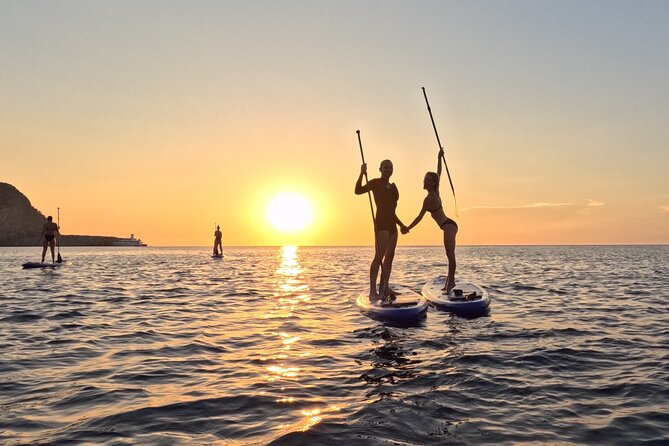
When the waves are flat, the Balearic Islands offer a plethora of other activities. From exploring the charming villages and hiking in the mountains to enjoying the world-class cuisine and vibrant nightlife, there is something for everyone. The crystal-clear waters are also perfect for snorkeling, diving, and paddleboarding, ensuring that you'll never have a dull moment on your trip.
The best time to surf in the Balearic Islands is during the autumn and winter months, from October to March. During this period, the islands receive consistent swells from the north and northeast, creating the most reliable surf conditions. While you can find occasional waves in the spring, summer is generally flat and not ideal for surfing. For more detailed information on the surf season, you can check out our Spain surf guide.
The Balearic Islands offer a variety of surf spots suitable for all skill levels. Beginners can find gentle, rolling waves at beaches like Playa de Muro in Mallorca, while more experienced surfers can find challenging conditions at spots like Son Serra de Marina. The variety of breaks across the islands means there is something for everyone, from first-timers to seasoned pros. You can find more information about surf spots for different skill levels on our Mallorca surf camps page.
The water temperature in the Balearic Islands varies significantly throughout the year. In the summer months (June-August), the water is warm, averaging around 25°C (77°F), making it pleasant for swimming and surfing without a wetsuit. During the prime surf season in autumn and winter (October-March), the water temperature drops to an average of 14-18°C (57-64°F). A 3/2mm or 4/3mm wetsuit is recommended for surfing during these cooler months.
For a surf trip to the Balearic Islands, you'll want to pack according to the season. In the summer, boardshorts or a bikini and a rash guard will suffice. For the cooler autumn and winter months, a 3/2mm or 4/3mm wetsuit is essential. Don't forget to pack sunscreen, a hat, and sunglasses, as the sun can be strong year-round. It's also a good idea to bring a reusable water bottle to stay hydrated. For more packing tips, check out our surf trip packing list.
The Balearic Islands have a rich and unique culture, with influences from Catalan and Spanish traditions. Each island has its own distinct character, from the bohemian vibe of Ibiza to the tranquil atmosphere of Formentera. The local cuisine is a highlight, with an emphasis on fresh seafood, locally grown produce, and traditional dishes like sobrassada (a cured sausage) and ensaimada (a spiral-shaped pastry). Exploring the local markets and trying traditional tapas is a must-do for any visitor.
The cost of a surf trip to the Balearic Islands can vary depending on your travel style and the time of year. Accommodation can range from budget-friendly hostels to luxury villas. A meal at a local restaurant can cost between €15-€30, while a beer or a glass of wine is typically around €3-€5. Surfboard rentals usually cost about €20-€30 per day, and lessons start at around €40 per session. For a more detailed breakdown of costs, check out our Europe surf camps page.
Surfing in the Balearic Islands is generally safe, but it's always important to be aware of the local conditions. Some spots can have strong currents and rocky bottoms, so it's a good idea to surf with a buddy and check the forecast before you go out. Jellyfish can also be present, especially during the warmer months, so be sure to take precautions. For more information on surf safety, you can read our guide to surf etiquette and safety.
Beyond the surf, the Balearic Islands offer a wealth of attractions to explore. In Mallorca, you can visit the stunning Serra de Tramuntana mountain range, a UNESCO World Heritage site, or explore the historic streets of Palma. Ibiza is famous for its vibrant nightlife and beautiful beaches, while Menorca is known for its pristine nature and archaeological sites. Formentera, the smallest of the main islands, is a paradise for beach lovers, with crystal-clear waters and white sandy beaches. Each island offers a unique experience, making the Balearic Islands a diverse and exciting travel destination.