
The Best Surf School in Gijón | TABLAS SURF SCHOOL | Surf Lessons, Skate, Surfskate, Paddle Surf, and Bodyboard | Ask without Obligation

Asturias Gijón Spain
Vote for this project

Surf Camps in Gijón

Gijón, a vibrant city on the coast of Asturias, is a gem for surfers in Northern Spain. With its consistent waves and friendly atmosphere, it's an ideal spot for both beginners and experienced surfers to catch a wave and enjoy the Spanish surf cultur

The Surf Scene in Gijón

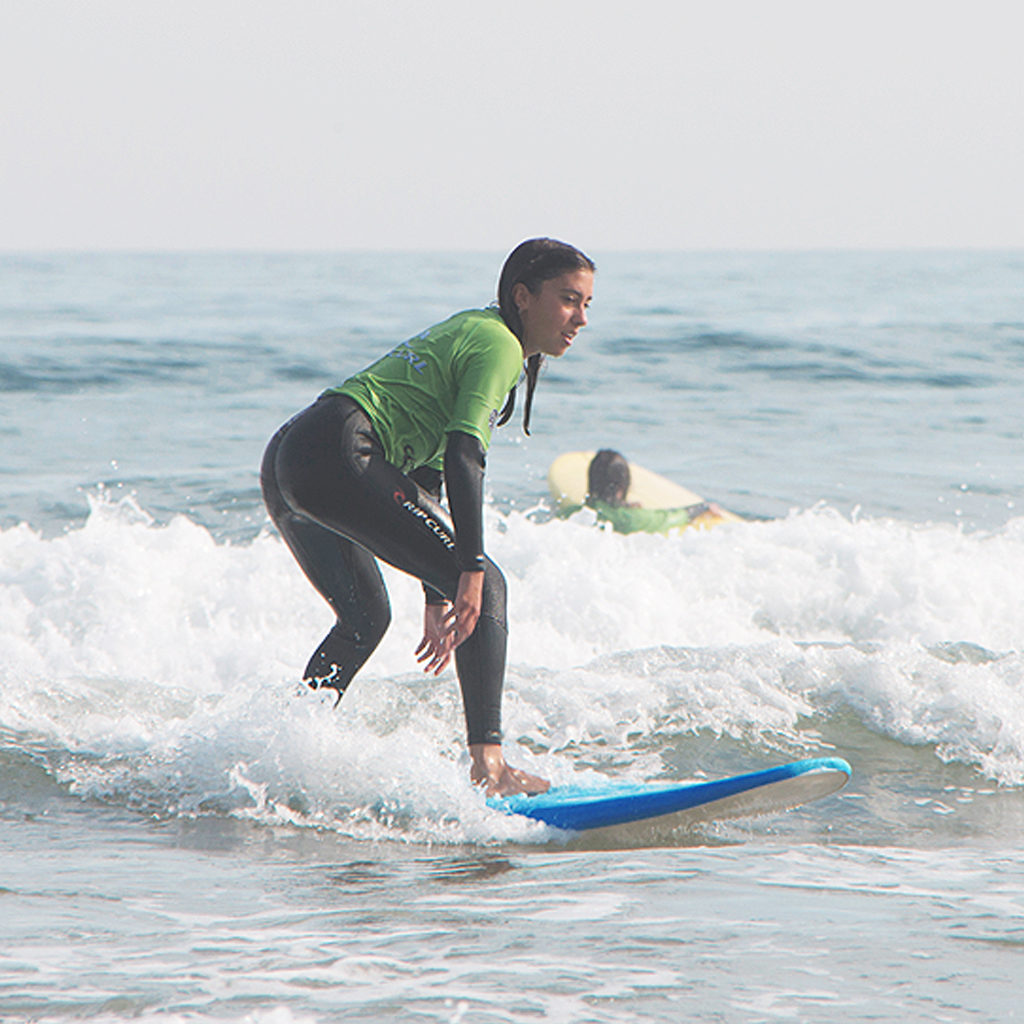
Gijón is the heart of the Asturian surf scene. This friendly and welcoming city, located on the beautiful Costa Verde, offers a unique blend of urban life and surf culture. The main hub of surfing in Gijón is Playa de San Lorenzo, a long sandy beach that stretches along the city's waterfront. Here you'll find a lively atmosphere with surf schools, rental shops, and cafes catering to the surfing community. The vibe is laid-back and inclusive, making it a great place to learn, improve your skills, or just enjoy the waves with fellow surfers.

Wave Conditions and Best Breaks

The primary surf spot in Gijón is Playa de San Lorenzo. This 1.5-kilometer-long beach break offers a variety of peaks, with conditions suitable for different skill levels. The waves are generally consistent, thanks to its exposure to the Cantabrian Sea. The sandy bottom makes it a safe spot for beginners. More experienced surfers can find more challenging waves at other nearby spots like Playa de Poniente or a short drive away at Xivares.

Best Time to Surf

Gijón offers year-round surfing opportunities, but the best time to visit depends on your skill level. For beginners, the summer months (June to September) are ideal. The waves are smaller and more manageable, and the weather is warm and sunny. For more experienced surfers, the spring (April-May) and autumn (September-November) offer bigger and more powerful swells. The water is cooler during these months, so a good wetsuit is essential.

Who is it for?

Gijón is a versatile surf destination that caters to a wide range of surfers. Its beginner-friendly waves and numerous surf schools make it an excellent choice for those just starting. Intermediate surfers will find plenty of opportunities to progress their skills on the consistent waves of San Lorenzo. While it may not be a world-class destination for expert surfers seeking massive barrels, the variety of breaks in the surrounding Asturias region offers challenges for even the most seasoned wave riders.

What makes Gijón unique?

What sets Gijón apart is its unique combination of a vibrant city and a thriving surf scene. You can spend your morning catching waves and your afternoon exploring the historic old town, enjoying the local gastronomy, or visiting one of the many museums. The city's lively nightlife also offers plenty of options for post-surf entertainment. This blend of surf, culture, and city life makes Gijón a truly special destination for any surfer.

The best time to surf in Gijón depends on your skill level. For beginners, the summer months (June to August) and early autumn offer smaller, more manageable waves and pleasant weather. Experienced surfers will find more challenging and consistent swells during the spring and autumn. The winter months bring the biggest waves, but also colder water and more unpredictable weather.

Gijón is an excellent destination for surfers of all levels. The main beach, Playa de San Lorenzo, is particularly well-suited for beginners, with its sandy bottom and consistent, gentle waves. For more advanced surfers, the surrounding coastline of Asturias offers a variety of reef and point breaks that come alive with bigger swells. You can find more information on our Asturias surf guide.

Playa de San Lorenzo is the most popular and accessible surf spot in Gijón, right in the heart of the city. It's a long sandy beach that offers different sections for various skill levels. For those willing to explore, nearby spots like Playa de Poniente and Xivares offer different wave characteristics. Further afield, the legendary left-hand point break of Rodiles is about a 30-minute drive away and is considered one of the best waves in Spain.

The water temperature in Gijón varies throughout the year. In the summer, it can reach up to 20-22°C (68-72°F), making a 3/2mm wetsuit comfortable for most people. During the spring and autumn, the water is cooler, around 14-18°C (57-64°F), so a 4/3mm wetsuit is recommended. In the winter, the water temperature drops to 12-14°C (54-57°F), and a 5/4mm wetsuit, along with boots and gloves, is essential.

Besides your surfboard and wetsuit, you should pack for a variety of weather conditions. In the summer, bring light clothing, swimwear, and plenty of sunscreen. For the cooler months, pack warmer layers, a waterproof jacket, and a beanie. It's also a good idea to bring a reusable water bottle to stay hydrated and some casual outfits for exploring the city's vibrant nightlife and dining scene. Check out our surf trip packing guide for a more comprehensive list.

Gijón is located in the region of Asturias, which is famous for its unique culture and gastronomy. A must-try is the local cider, sidra, which is traditionally poured from a great height to aerate it. The local cuisine is hearty and delicious, with popular dishes like fabada asturiana (a rich bean stew), fresh seafood, and a wide variety of artisanal cheeses. The city has a lively atmosphere with many sidrerías (cider houses), tapas bars, and cultural events throughout the year.

The cost of a surf trip to Gijón can vary depending on your travel style and preferences. A bed in a surf hostel can range from €20-€40 per night, while private rooms and hotels will be more expensive. A meal at a local restaurant can cost between €10-€20, and a glass of cider is usually around €3. Surf lessons and equipment rental are also reasonably priced. You can find some great deals on Gijón surf camps that include accommodation, lessons, and equipment.

Yes, Gijón is generally a very safe place to surf, especially for beginners. Playa de San Lorenzo has a sandy bottom, which minimizes the risk of injury from rocks or reefs. The beach is also lifeguarded during the summer months. As with any surf spot, it's important to be aware of the conditions, respect other surfers, and know your limits. If you're unsure, it's always a good idea to take a lesson from a local surf school.

Absolutely! Gijón is a vibrant city with plenty to offer besides surfing. You can explore the charming old town of Cimavilla, walk along the beautiful coastal promenade, or visit the Laboral Ciudad de la Cultura, a stunning architectural complex. The city also has a number of museums, art galleries, and a lively music scene. For nature lovers, the Picos de Europa National Park is just a short drive away and offers incredible hiking and scenery.

Most of the surf spots within Gijón, like Playa de San Lorenzo and Playa de Poniente, are easily accessible on foot or by public transport. If you want to explore the more remote surf spots along the Asturian coast, renting a car is the most convenient option. This will give you the freedom to chase the best swells and discover hidden gems. You can find more information on our Spain surf guide.

Filters

Tags

Surf Camps by Category