
Vote for this project

Blue Waves Surf House is the best Surfcamp in Ahangama, Sri Lanka, stay and learn to surf in Ahangama.

Discover luxury villas in Midigama, Sri Lanka. Experience unparalleled comfort and stunning ocean views for an unforgettable getaway
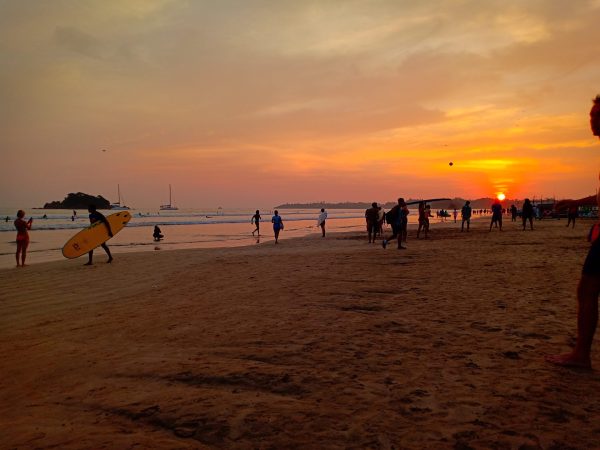
Nestled along the scenic Weligama By Pass Road in Sri Lanka, Surfers Paradise Surf School offers an authentic and immersive surf experience in one of the country's most renowned surf destinations. Weligama Bay is celebrated for its gentle, rolling waves that are perfect for both beginners eager to catch their first rides and seasoned surfers looking to refine their skills amidst a stunning coastal backdrop. The warm Indian Ocean waters, combined with consistent swells and a relaxed atmosphere, create an ideal setting for learning, practicing, and enjoying the ocean at your own pace. Surfers can expect a welcoming environment with experienced instructors dedicated to guiding you through every step, from safety and technique to surf etiquette. Whether you're cruising through beginner-friendly breaks or exploring more challenging waves, the camp fosters a genuine connection to the surf culture while providing personalized attention to ensure a memorable journey in the water. Surfers Paradise Surf School combines the natural beauty of Sri Lanka’s south coast with expert guidance, making it an ideal spot to develop your surfing skills, embrace the local vibe, and create lasting memories in this tropical paradise.
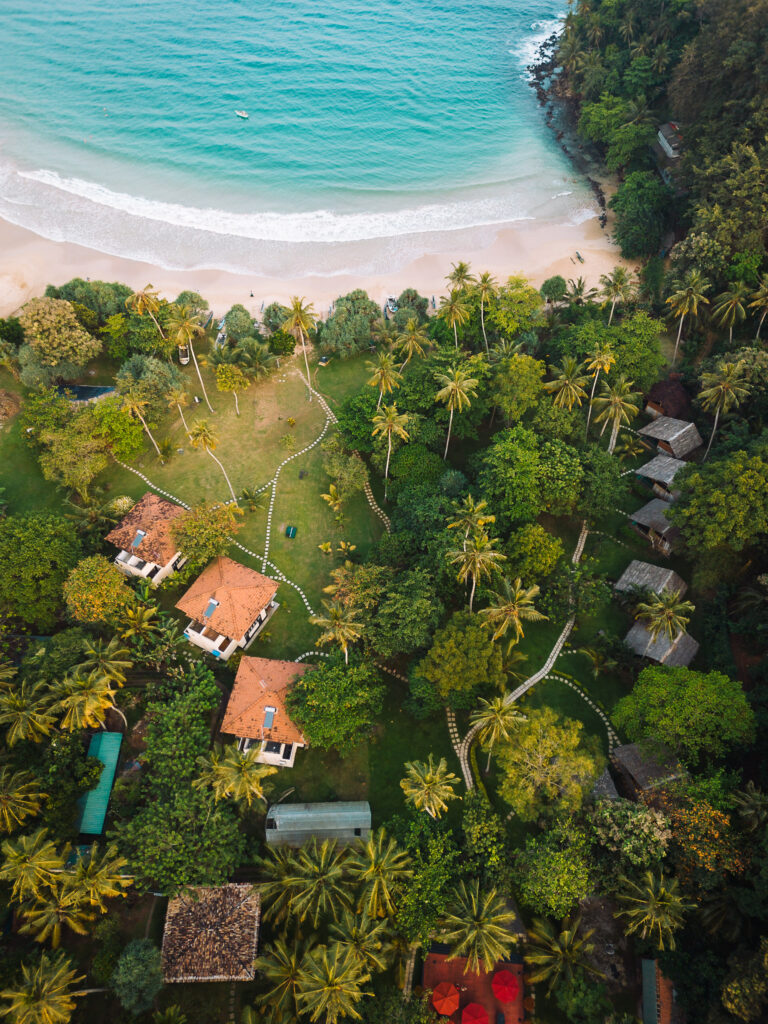
Reconnect by the ocean with eco-luxury beachfront accommodation offering Yoga, Pilates, and Surf classes, retreats, and a soothing Bath House.
Sri Lanka has emerged as one of Asia's most popular surf destinations, offering warm water, consistent waves, and a rich cultural experience. The country's surf camp scene is centered around the southern coast, particularly the town of Weligama, which has become a hub for surf schools and camps catering to all levels.
What makes Sri Lanka special is the combination of accessible waves, affordable prices, and the opportunity to explore ancient temples, wildlife reserves, and tea plantations between surf sessions. The country offers a complete travel experience that goes far beyond just surfing.
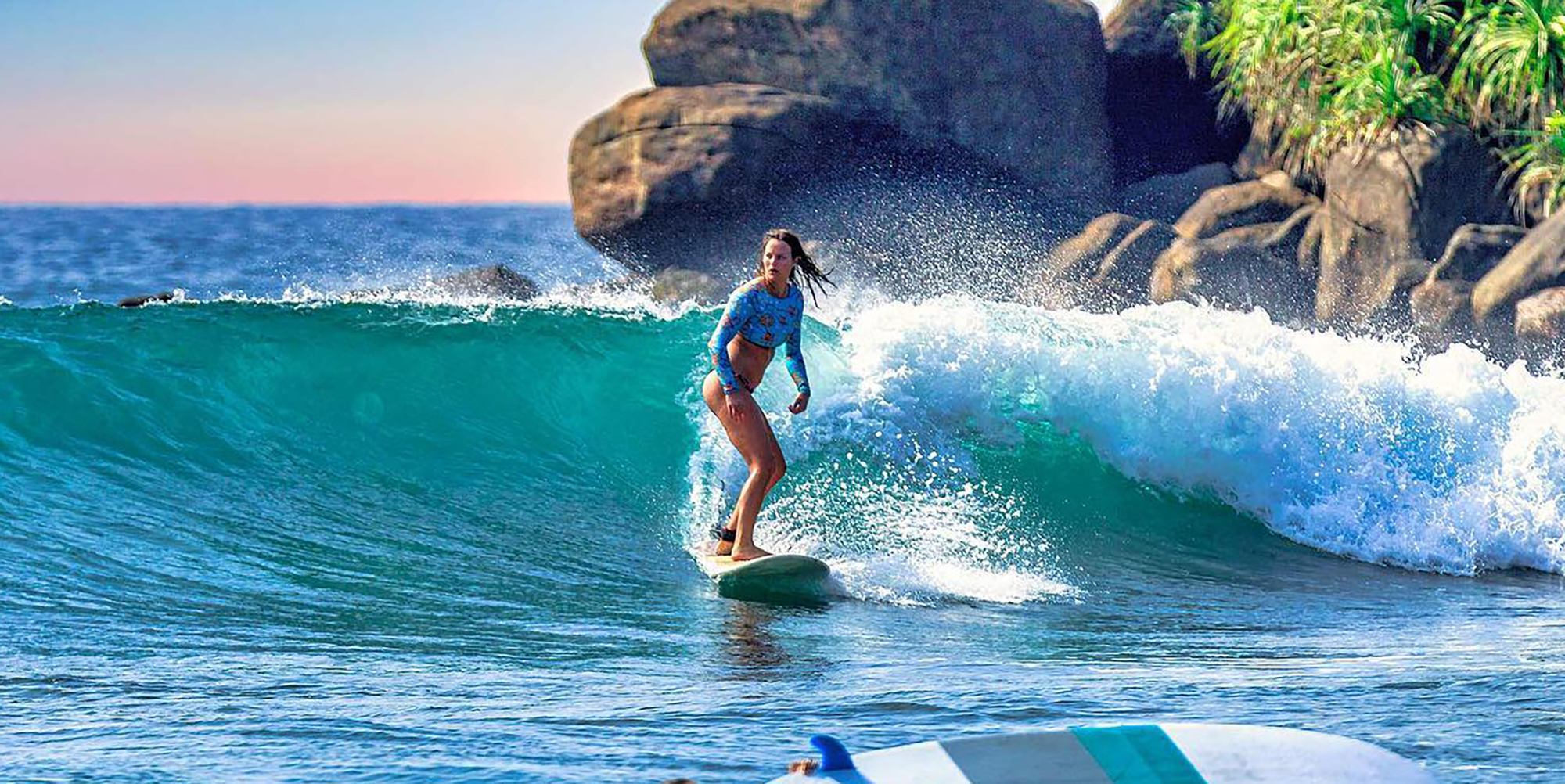
A welcoming surf camp in the heart of Sri Lanka's surf coast, Blue Waves offers quality instruction, comfortable accommodations, and a friendly community atmosphere. Google rating: 4.8★
Talalla Surf Camp And Surf & Yoga Retreat
Combining surfing with yoga in a beautiful beachfront setting, Talalla offers a holistic approach to the surf lifestyle. The camp caters to all levels and offers personalized coaching. Google rating: 4.9★
A boutique eco-retreat offering stylish jungle accommodations and access to quality surf. The camp focuses on sustainability and authentic experiences. Google rating: 4.7★
Run by local legend Bandula, this school offers authentic Sri Lankan hospitality and decades of local knowledge. Perfect for beginners and those seeking a genuine experience. Google rating: 4.8★
Surfers Paradise Surf School Weligama
A professional surf school offering lessons and camps in Weligama Bay. The school caters to all levels and provides quality equipment. Google rating: 4.6★
The Southern Province is the heart of Sri Lankan surfing, home to the famous Weligama Bay and numerous other quality breaks. The area offers waves for all levels, from the gentle rollers of Weligama to the more challenging reefs of Mirissa and Hiriketiya. The region's developed tourism infrastructure makes it easy to find accommodation, restaurants, and surf schools.
The coastline from Galle to Tangalle offers a variety of breaks, including beach breaks, point breaks, and reef breaks. The best season is November to April when the southwest monsoon brings consistent swells.
Weligama is Sri Lanka's most popular surf spot, a wide bay with gentle, rolling waves perfect for beginners. The consistent conditions and warm water make it an ideal place to learn.
Just east of Weligama, Mirissa offers more challenging waves including a quality right-hand point break. The town is also famous for whale watching.
A beautiful bay with a variety of breaks suitable for intermediate surfers. Hiriketiya has become increasingly popular for its laid-back vibe and consistent waves.
On the east coast, Arugam Bay is Sri Lanka's most famous wave, a long right-hand point break that works during the opposite season (April to October). The wave can produce rides of several hundred meters.
Sri Lanka's surf scene has grown rapidly over the past decade, transforming from a hidden gem to a mainstream surf destination. The country now hosts a thriving community of local and international surfers, with surf camps and schools dotting the southern coast.
The local Sri Lankan surf community is welcoming and passionate, with many local surfers now working as instructors and guides. The country's affordable prices, warm hospitality, and rich culture continue to attract surfers from around the world.
Sri Lanka has two distinct surf seasons due to its position in the Indian Ocean. The south and west coasts (Weligama, Mirissa, Hikkaduwa) work best from November to April during the northeast monsoon. The east coast (Arugam Bay) fires from May to October during the southwest monsoon. This means Sri Lanka offers surfable waves year-round - you just need to choose the right coast. The shoulder months of April-May and October-November can be unpredictable but sometimes offer waves on both coasts.
Arugam Bay is Sri Lanka's most famous surf destination and one of Asia's best waves. The main point is a long, peeling right-hander that works from May to October. The bay offers waves for all levels - the point is best for intermediate to advanced surfers, while the beach breaks suit beginners. The town has a laid-back vibe with surf camps, cafés, and a backpacker atmosphere. Crowds have increased but remain manageable compared to Bali. Arugam Bay combines quality waves with Sri Lankan charm.
Sri Lanka offers excellent value for surf travel. Budget guesthouses cost $15-30 per night, while surf camp packages range from $400-800 per week including accommodation, meals, and lessons. Mid-range surf resorts cost $800-1,500 per week. Daily expenses are very affordable - meals cost $3-8, and a Lion beer is $2-3. Tuk-tuk transport is cheap for getting around. Sri Lanka is one of the best value surf destinations in Asia, offering quality waves at a fraction of Maldives prices.
Most nationalities need a visa to enter Sri Lanka. The Electronic Travel Authorization (ETA) can be obtained online before travel, valid for 30 days and extendable to 90 days. The ETA costs approximately $50 USD. Some nationalities can obtain a visa on arrival. Ensure your passport is valid for at least 6 months beyond your entry date. Sri Lanka's visa process is straightforward, and the country is welcoming to tourists. Check current requirements as policies can change.
Sri Lanka has warm tropical waters year-round. Temperatures range from 26-29°C (79-84°F), meaning boardshorts or a rash guard is all you need. No wetsuit is required at any time of year. A light rash guard helps prevent sunburn during long sessions. The consistently warm water makes Sri Lanka ideal for surfers who dislike cold conditions. The pleasant water temperature is one of the country's biggest appeals.
Sri Lanka has excellent beginner-friendly options. Weligama on the south coast is the most popular learning spot, with gentle waves, sandy bottom, and numerous surf schools. Mirissa nearby also has mellow waves. Unawatuna has a sheltered bay suitable for first-timers. On the east coast, Arugam Bay's beach breaks offer beginner-friendly conditions alongside the more challenging point. Most Sri Lankan surf towns have established surf schools with patient instructors. The warm water and affordable prices make it ideal for learning.
Sri Lanka is generally safe for surf travelers. The country has recovered well from its civil war (ended 2009) and the 2019 Easter bombings. Surf areas are tourist-friendly and accustomed to visitors. Petty theft can occur, so use common sense with valuables. The main dangers are surf-related - strong currents and reef at some spots. Sri Lankans are known for their hospitality, and most visitors have positive experiences. Solo female travelers should exercise normal precautions. Overall, Sri Lanka is a welcoming destination.
Pack light for Sri Lanka's tropical climate: boardshorts, rash guards, reef booties (useful for reef breaks), sunscreen, and insect repellent. Modest clothing is appreciated when visiting temples or rural areas. Bring any medications you need and a basic first aid kit with antiseptic for reef cuts. A waterproof bag protects valuables. Most surf gear can be rented locally. Don't forget a power adapter (Sri Lanka uses UK-style plugs) and travel insurance. A few words of Sinhalese or Tamil are appreciated but English is widely spoken in tourist areas.
Sri Lanka offers incredible experiences beyond surfing. The country has eight UNESCO World Heritage sites, including ancient cities like Sigiriya and Polonnaruwa. Wildlife safaris in Yala and Udawalawe national parks offer elephant and leopard sightings. The hill country around Ella has stunning scenery and tea plantations. Whale watching is available from Mirissa. The food is delicious - try rice and curry, hoppers, and kottu roti. Many surf travelers extend their trips to explore Sri Lanka's rich culture and natural beauty.
Sri Lanka has several transport options. Tuk-tuks are ubiquitous and affordable for short distances - negotiate the price before departing. Buses connect major towns cheaply but can be crowded and slow. Trains are scenic and comfortable, particularly the Colombo-Galle coastal route. Renting a scooter ($10-15/day) gives flexibility in surf areas. Private drivers can be hired for longer journeys at reasonable rates. Many surf camps arrange airport transfers and transport to nearby breaks. The country is compact, making travel between surf spots manageable.
Sri Lankan food is delicious and affordable. Rice and curry is the staple - rice served with multiple curries, sambols, and papadums. Hoppers (bowl-shaped pancakes) and string hoppers are breakfast favorites. Kottu roti is a popular street food - chopped roti stir-fried with vegetables and meat. Fresh seafood is excellent in coastal areas. The food is flavorful and often spicy - ask for "not spicy" if you're sensitive. Vegetarian options are plentiful. Most surf camps serve a mix of local and Western food. Eating at local restaurants is very affordable.
Sri Lanka's surf spots are less crowded than Bali or popular European destinations. Arugam Bay's main point can get busy during peak season (July-August), but the vibe remains friendly. The south coast spots are generally uncrowded. Sri Lanka's two-coast system means crowds are spread out. Early morning sessions are quieter. The local surf community is growing but remains welcoming to visitors. Respect lineup etiquette and you'll have a positive experience. Traveling in shoulder seasons helps avoid peak crowds.