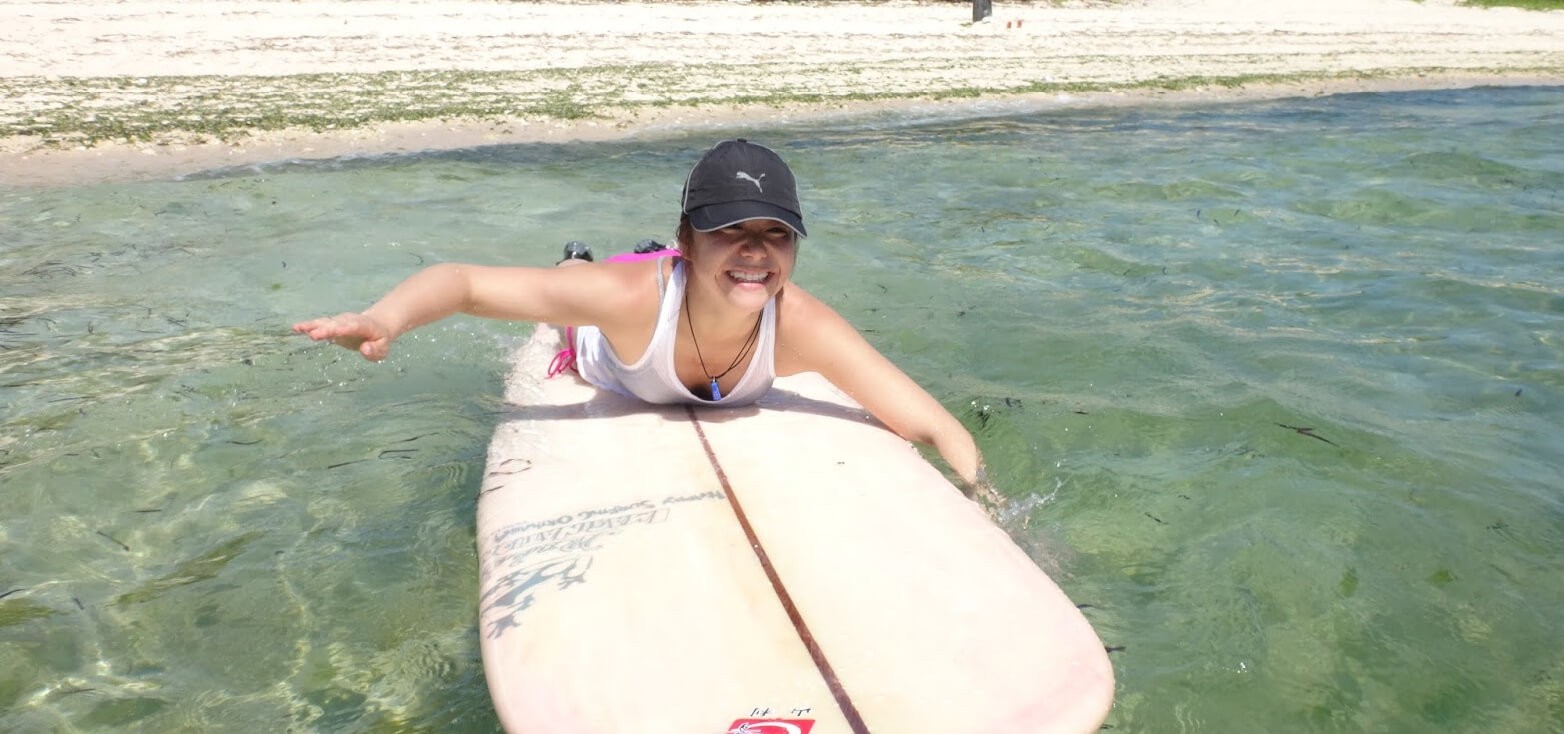
reaL surf shop is a surf shop in Izu, operated by pro surfer Naoto Suzuki and local surfers, attracting passionate surfers from across Japan who love surfing. Feel free to visit when in Izu. KEEP ON SURFING!!
Japan offers a unique surf experience, combining quality waves with one of the world's most fascinating cultures. The country's surf scene is well-developed, with a passionate local community and waves ranging from beach breaks to typhoon-generated swells.
What makes Japan special is the combination of consistent surf, impeccable hospitality, and the opportunity to experience Japanese culture between sessions. From the tropical waters of Okinawa to the powerful swells of the main islands, Japan offers diverse surf experiences.
Okinawa offers warm water surfing in Japan's tropical south.
A welcoming surf school in Okinawa offering lessons in warm tropical water. Happy Surfing provides a great introduction to Japanese surf culture. Google rating: 4.9★
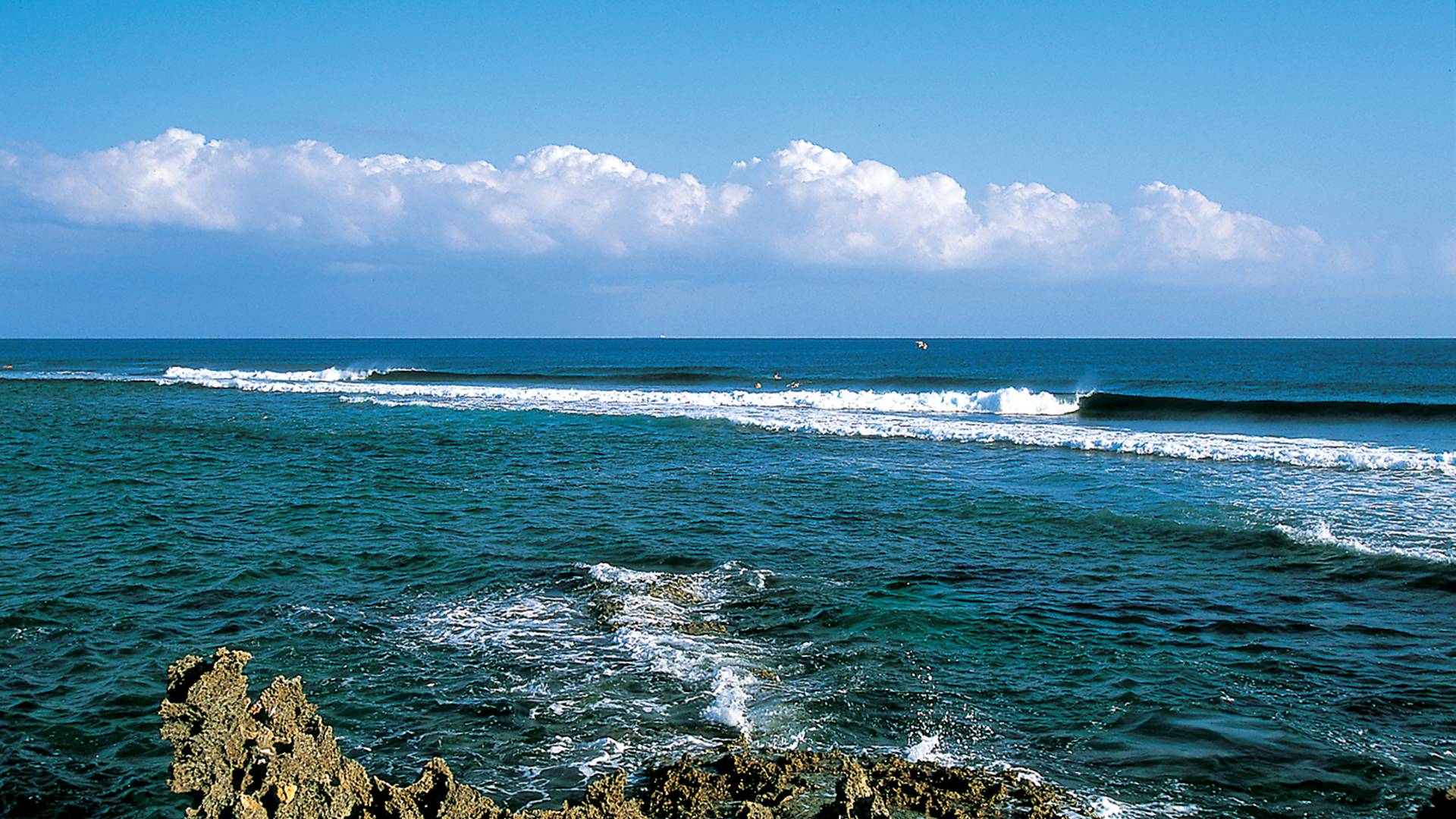
Okinawa is Japan's tropical surf paradise, offering warm water and consistent waves. The island chain receives swells from multiple directions and offers a variety of breaks.
Part of the Okinawa region, Nakagami offers additional surf spots and a more local experience.
The Most Famous Surf Spots in Japan
Shonan
Near Tokyo, Shonan is Japan's most popular surf area, with numerous beach breaks and a vibrant surf culture.
Chiba
East of Tokyo, Chiba offers powerful beach breaks that have hosted professional competitions.
Okinawa Reefs
Okinawa's reef breaks offer quality waves in warm, clear water.
Surf Scene in Japan
Japan has a well-established surf scene with a passionate local community. The country has produced professional surfers and hosts international competitions. Japanese surf culture is known for its respect for the ocean and attention to detail.
Surf tourism is growing, with international visitors discovering Japan's waves and unique culture. The country offers a complete experience, combining quality surf with world-class cuisine, ancient temples, and modern cities.
Japan's prime surfing season coincides with the typhoon season, from August to November. During these months, you can expect consistent, powerful swells, especially in regions like Chiba and Miyazaki. Spring and summer also offer good waves, though they tend to be smaller and more manageable for beginners. Winter surfing is possible but often involves colder water and harsher conditions.
Japan offers a wide variety of waves suitable for all skill levels. Beginners will find gentle, sandy beach breaks in areas like Shonan and Kamakura, close to Tokyo. Intermediates can explore the numerous river mouths and points in Chiba. Advanced surfers can challenge themselves with the powerful reef breaks in Okinawa or the typhoon swells that hit the Pacific coastline.
The water temperature in Japan varies significantly by season and location. In summer, the water in areas like Chiba and Shonan can be warm enough for boardshorts, reaching up to 25°C (77°F). However, for most of the year, a wetsuit is necessary. A 3/2mm full suit is common for spring and autumn, while a thicker 5/4mm suit, boots, and gloves are essential for winter surfing, especially in the northern regions.
Besides your surfboard, you should pack a wetsuit appropriate for the season you're visiting. A 3/2mm wetsuit is a versatile choice for most of the year. In summer, you might only need boardshorts and a rash guard. Don't forget other essentials like sunscreen, wax, and a ding repair kit. It's also a good idea to pack some warmer clothes for the evenings, as it can get cool, even in summer.
Japan has a welcoming and respectful surf culture. Politeness in the water is highly valued, so be sure to follow proper surf etiquette. Local surfers are generally friendly and happy to share waves, but it's always a good idea to show respect and be mindful of the local customs. You'll find a mix of traditional Japanese culture and a laid-back surf vibe in many of the coastal towns.
Japanese cuisine is world-renowned and incredibly diverse. After a long surf session, you can refuel with a hearty bowl of ramen, fresh sushi and sashimi, or a delicious katsu curry. Many surf towns have local restaurants and izakayas (Japanese pubs) where you can enjoy authentic Japanese food and drinks. Be sure to try some of the local specialties of the region you're visiting.
A surf trip to Japan can be tailored to a range of budgets. Accommodation options include affordable guesthouses, surf camps, and more luxurious hotels. Food is generally reasonably priced, especially if you eat at local restaurants. Transportation costs can be managed by using Japan's efficient public transport system, including the famous Shinkansen (bullet train). For more information on planning your budget, you can check out our guide on planning a surf trip to Asia.
Japan is a country rich in culture and history, with countless attractions to explore. If you're surfing near Tokyo, you can easily take a day trip to see the famous sights of the city. In the Kamakura area, you can visit ancient temples and shrines, and even catch a glimpse of Mount Fuji on a clear day. Many surf regions are also close to national parks, offering opportunities for hiking and exploring Japan's natural beauty.