
Surf Camps in Indonesia
Indonesia’s surf camps offer waves for all levels amid tropical islands and warm waters, perfect for year-round surfing adventures.
Indonesia
Awera Resort

G Land Joyo'S Surf Camp
Kandui Resort
Mentawai Surf Camp
Mojo Surf Bali & Beyond
Padang Padang Surf Camp
Paradise Surf Camp
Sumatra Surf Resort

Surf Camp Lombok
The Indonesian archipelago stretches across 17,000 islands, creating an almost infinite coastline exposed to consistent Indian Ocean swells. This geography produces waves for every level, from gentle beach breaks perfect for beginners to hollow reef passes that challenge the world's best surfers. The warm tropical water, affordable prices, and rich Balinese culture have made Indonesia the world's most popular surf destination.
Our Favourite Surf Camps in Indonesia
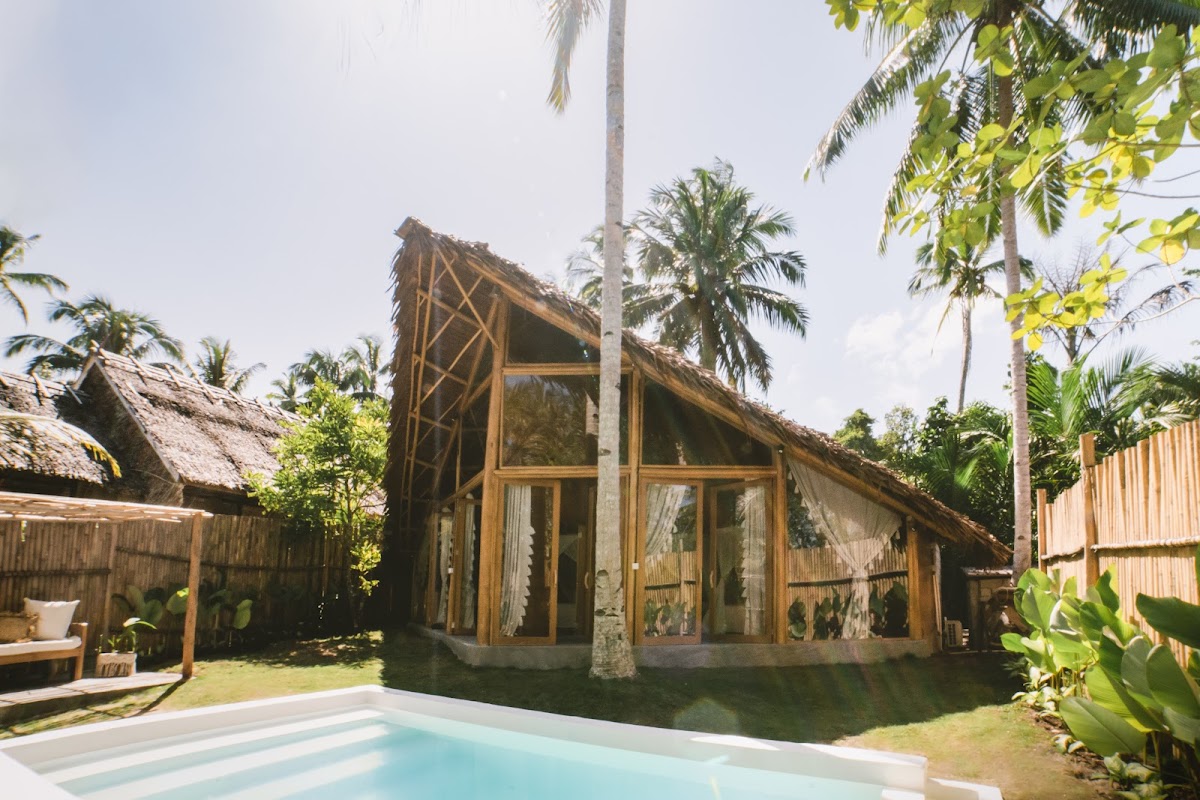
Located in the Mentawai Islands, Awera Resort offers access to some of the most perfect waves in the world. This boutique resort combines luxury accommodations with world-class surf guiding. Google rating: 4.9★
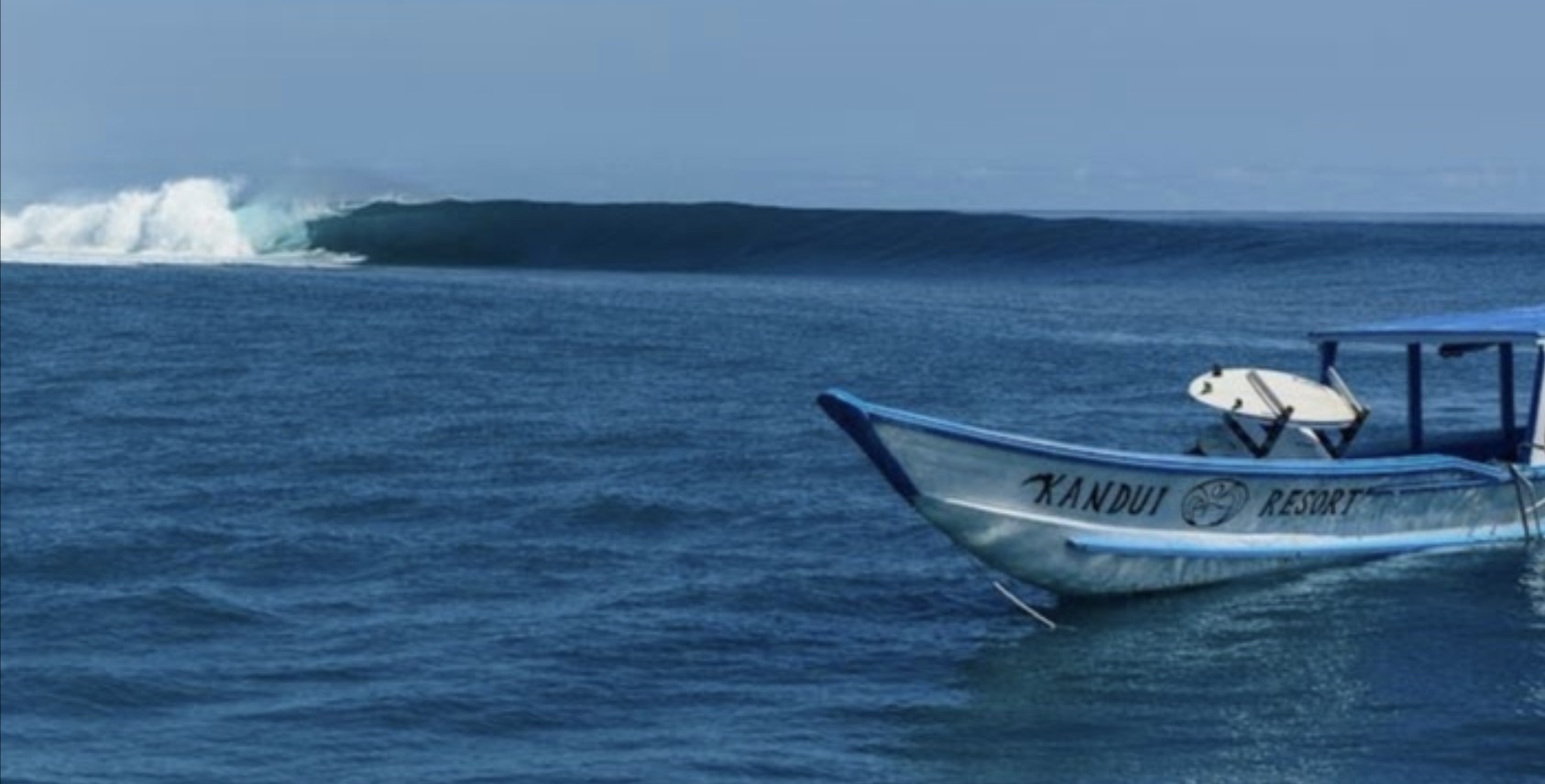
Another Mentawai gem, Kandui Resort sits in front of the legendary Kandui Left. The resort offers all-inclusive packages with boat trips to the surrounding breaks. Google rating: 4.8★
Located at the famous G-Land in Java, this camp offers access to one of the longest left-hand barrels in the world. The jungle setting adds to the adventure. Google rating: 4.7★
Fetch Surf Concept Training Center
A professional surf coaching facility in Bali, Fetch offers video analysis and personalized training programs for surfers looking to improve their skills. Google rating: 4.9★
A comfortable base for exploring the waves of East Java, including the legendary G-Land and the uncrowded breaks of the Blambangan Peninsula. Google rating: 4.6★
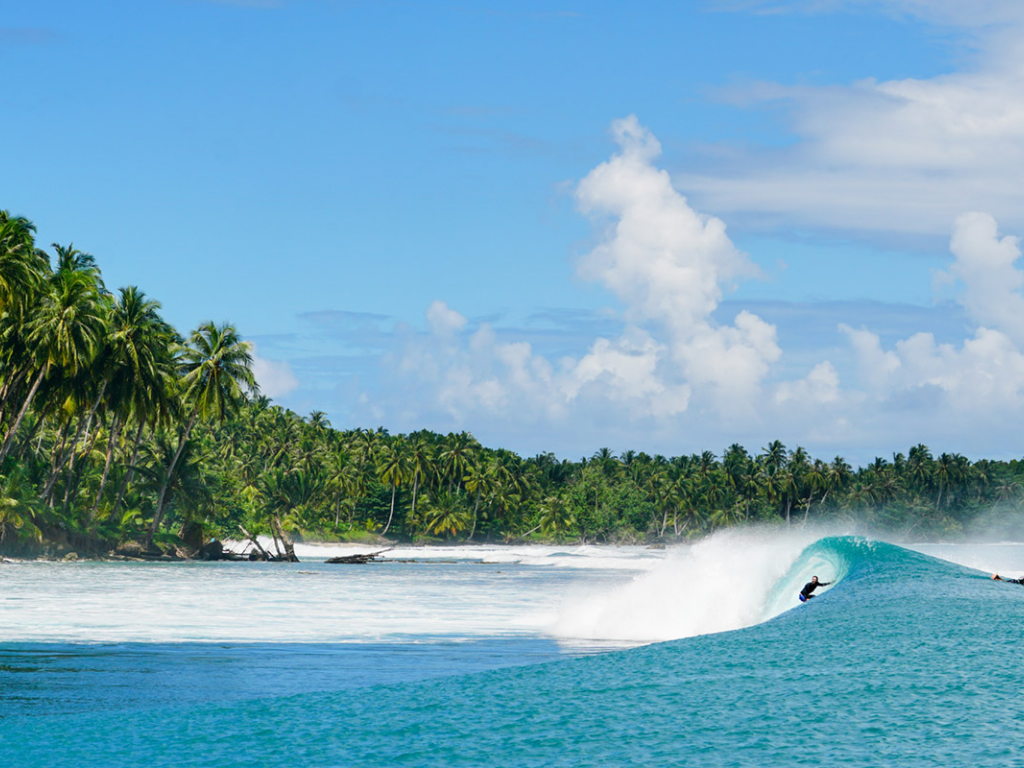
Which Regions Offer Surfing in Indonesia?
Bali
Bali is the heart of Indonesian surfing, offering everything from beginner-friendly beach breaks to world-class reef passes. The Bukit Peninsula is home to legendary spots like Uluwatu, Padang Padang, and Bingin, while Canggu and Kuta offer more accessible waves. Bali's developed infrastructure, vibrant culture, and endless wave options make it the perfect introduction to Indonesian surfing.
Mentawai
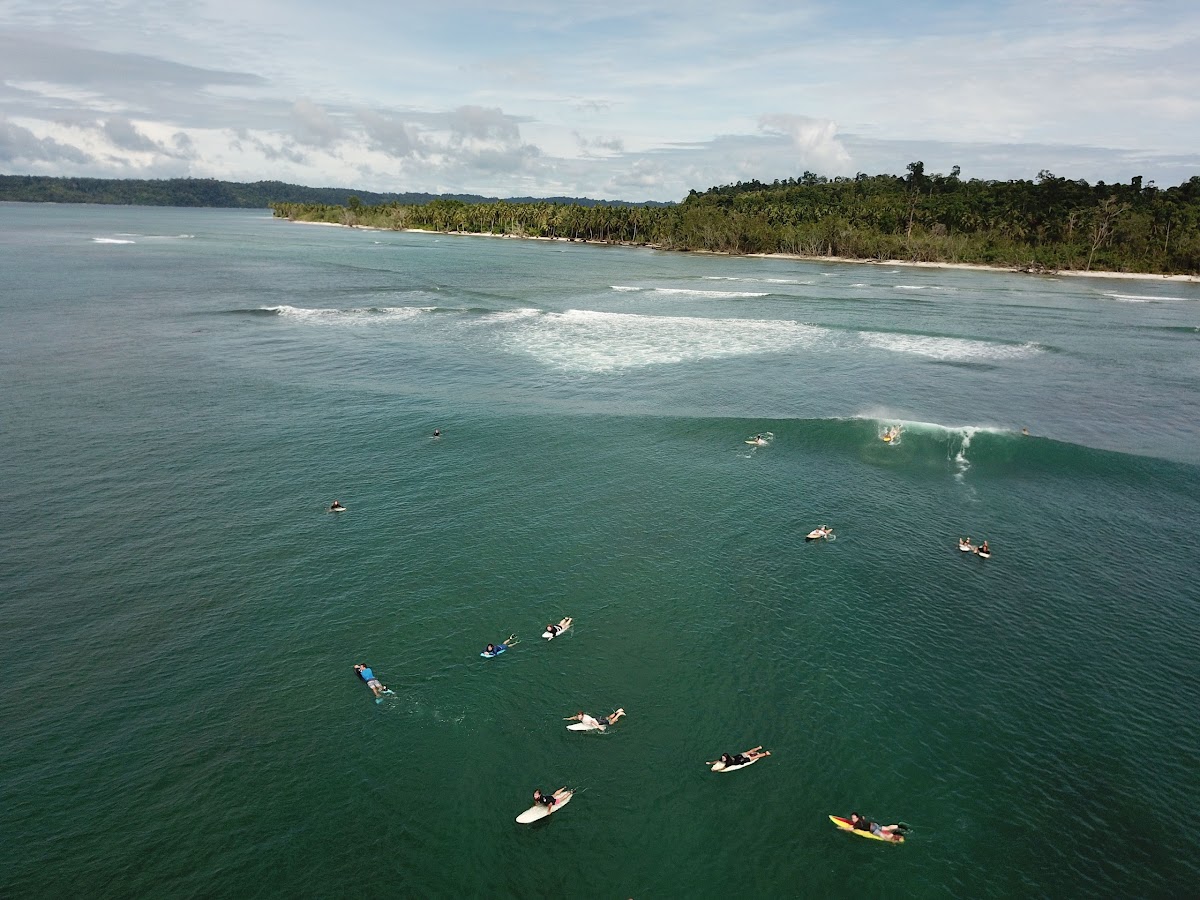
The Mentawai Islands are Indonesia's crown jewels, a chain of islands off the coast of Sumatra that produce some of the most perfect waves in the world. Spots like Lance's Right (HT's), Macaronis, and Kandui Left offer flawless barrels in a tropical paradise. Access is typically by boat or charter flight, and most surfers stay at surf resorts or on charter boats.
Lombok
Just east of Bali, Lombok offers a more laid-back alternative with equally impressive waves. Desert Point is one of the longest and most hollow left-hand barrels in Indonesia, while Gerupuk Bay offers a variety of breaks suitable for all levels.
Java
Java is home to G-Land (Grajagan), one of the most famous waves in the world. This long left-hand barrel breaks in a remote jungle setting and attracts serious surfers from around the globe. The island also offers numerous other quality breaks along its southern coast.
Sumatra
Sumatra's west coast faces the Indian Ocean and receives consistent swell. The Krui area has become increasingly popular, offering quality waves without the crowds of Bali. The Telo Islands and Nias also offer world-class surf.
The Most Famous Surf Spots in Indonesia
Uluwatu
Uluwatu is Bali's most iconic wave, a long left-hand reef break that offers multiple sections and can produce rides of several hundred meters. The wave breaks below dramatic limestone cliffs and is best suited for intermediate to advanced surfers.
Padang Padang
Made famous by the movie "Eat Pray Love," Padang Padang is a short but intense barrel that breaks over a shallow reef. When it's on, it's one of the heaviest waves in Bali.
G-Land
Grajagan, or G-Land, is one of the world's most famous waves. This long left-hand barrel breaks in a remote jungle setting in East Java and can produce rides of up to 300 meters.
Lance's Right (HT's)
Located in the Mentawai Islands, Lance's Right is a world-class right-hand barrel that has hosted professional competitions. The wave offers long, hollow rides in crystal-clear water.
Macaronis
Another Mentawai classic, Macaronis is a long, peeling left that's perfect for high-performance surfing. It's often called the "funnest wave in the world."
Desert Point
Located on Lombok, Desert Point is one of the longest and most hollow left-hand barrels in Indonesia. When it's on, it's one of the best waves in the world.
Surf Scene in Indonesia
Indonesia's surf scene is the most developed in Asia, with a massive industry supporting surfers from around the world. Bali alone has hundreds of surf camps, schools, and shops, while the outer islands offer more exclusive experiences at world-class resorts.
The local Indonesian surf community has grown significantly, with talented local surfers now competing at international levels. The country hosts several professional events, including the WSL Championship Tour stop at Uluwatu.
Surf tourism is a major economic driver for coastal communities throughout Indonesia, providing employment and opportunities for local people. The country continues to develop new surf destinations while working to balance tourism with environmental protection.
Indonesia's prime surf season is the dry season from April to October. During this period, consistent swells from the Southern Ocean combine with offshore trade winds to create perfect conditions. Bali, Lombok, and the Mentawai Islands all fire during these months. The wet season (November-March) brings onshore winds and less consistent swells, though some spots work and crowds are minimal. Sumatra's west coast and Nias can have good waves year-round. April-May and September-October offer the best balance of waves and weather.
Bali is excellent for beginners, but location matters. Kuta Beach and Seminyak offer gentle, sandy-bottom beach breaks perfect for learning, with numerous surf schools offering quality instruction. Canggu has beginner-friendly spots like Old Man's alongside more challenging waves. However, many of Bali's famous breaks (Uluwatu, Padang Padang, Keramas) are powerful reef breaks suitable only for experienced surfers. The warm water (27-29°C) means no wetsuit needed, making it comfortable for beginners. Stick to the beach breaks while learning.
Indonesia offers incredible value. Budget accommodation starts from $10-20 per night, with basic surf camp packages from $300-600 per week. Mid-range surf resorts cost $800-1,500 per week including meals and guiding. Luxury Mentawai surf charters range from $2,500-5,000+ for 10-14 day trips. Daily expenses are very affordable - meals cost $3-10, and Bintang beers are $2-3. Bali is more expensive than other Indonesian islands but still excellent value. The Mentawais require a bigger budget due to boat charter costs.
Most nationalities can obtain a Visa on Arrival (VOA) for Indonesia, valid for 30 days and extendable once for another 30 days. The VOA costs approximately $35 USD and is available at major airports including Bali. Some nationalities qualify for visa-free entry for 30 days (non-extendable). For longer surf trips, apply for a social or business visa in advance through an Indonesian embassy. Visa policies change frequently, so check current requirements before traveling. Ensure your passport has at least 6 months validity.
Bali has world-class waves for all levels. Uluwatu is the most famous - a long, barreling left-hand reef break that hosts professional contests. Padang Padang is a heavy, shallow barrel for experts. Canggu has multiple breaks from beginner-friendly to challenging. Keramas is a high-performance right-hander. Balangan offers a fun, accessible reef break. Medewi is a long left point on the west coast. Nusa Dua works on the opposite swell direction. The variety means you can find waves regardless of conditions.
Indonesian reef breaks require respect and experience. The coral is sharp and shallow, and injuries from reef contact are common. Reef booties are essential at most breaks. Know your limits - many Indonesian waves are powerful and unforgiving. Study each break before paddling out, understanding the entry/exit points and hazards. Sea urchins are present at some spots. Bring a good first aid kit with antiseptic for reef cuts. Start with more forgiving breaks before attempting heavy reef passes. When in doubt, don't go out.
The Mentawai Islands are a surfer's paradise, offering some of the world's most perfect waves. Famous breaks include Lance's Right (HT's), Macaronis, Rifles, and Telescopes. The waves are consistent, powerful, and often uncrowded due to limited access. Most surfers visit via live-aboard boat charters (10-14 days) or land-based camps. The experience is remote and focused entirely on surfing. Expect to pay premium prices ($250-400+ per day) but receive world-class waves in return. Best for intermediate to advanced surfers.
Indonesia has warm tropical waters year-round. Temperatures range from 27-30°C (80-86°F), meaning boardshorts or a rash guard is all you need. A thin rashguard helps prevent sunburn during long sessions. The warm water is one of Indonesia's biggest appeals - no wetsuits, no cold water shock, just pure surfing pleasure. The consistent warmth makes Indonesia ideal for surfers who dislike cold conditions or want to maximize time in the water.
The Mentawai Islands are accessed from Padang in West Sumatra. Fly to Padang (via Jakarta or Kuala Lumpur), then take a ferry (10-12 hours) or speedboat (3-4 hours) to the islands. Most surfers book organized surf charters that handle all logistics. Live-aboard boats depart from Padang and cruise the islands for 10-14 days. Land-based camps arrange transfers. The journey is part of the adventure - the remoteness is what keeps the Mentawais special. Book well in advance during peak season (May-September).
Pack light for Indonesia's tropical climate: boardshorts, rash guards, reef booties (essential for reef breaks), sunscreen (reef-safe preferred), and insect repellent. Bring a comprehensive first aid kit with antiseptic, bandages, and any medications you need. Indonesian pharmacies may not stock everything. A waterproof bag protects valuables. For the Mentawais, bring everything you need as supplies are limited. Ding repair kit is useful. Most surf gear can be rented in Bali but quality varies. Travel insurance covering surfing is essential.
Lombok has excellent waves and is less crowded than Bali. Desert Point (Bangko Bangko) is legendary - one of the world's longest, most perfect left-hand barrels when it's on. Gerupuk Bay has multiple breaks for different levels. Kuta Lombok (different from Bali's Kuta) has several quality breaks nearby. Senggigi on the west coast has more sheltered options. Lombok offers a more authentic Indonesian experience than tourist-heavy Bali. The island is easily reached by fast boat (2 hours) or short flight from Bali.
Indonesian surf culture is warm and welcoming. Balinese people have embraced surfing, and a talented generation of local surfers has emerged. The vibe varies by location - Bali's popular breaks can be competitive, while remote areas are more relaxed. Respect for local surfers and lineup etiquette goes a long way. The broader Indonesian culture emphasizes hospitality, and visitors are generally treated well. The combination of world-class waves, affordable living, and friendly people keeps surfers returning year after year.