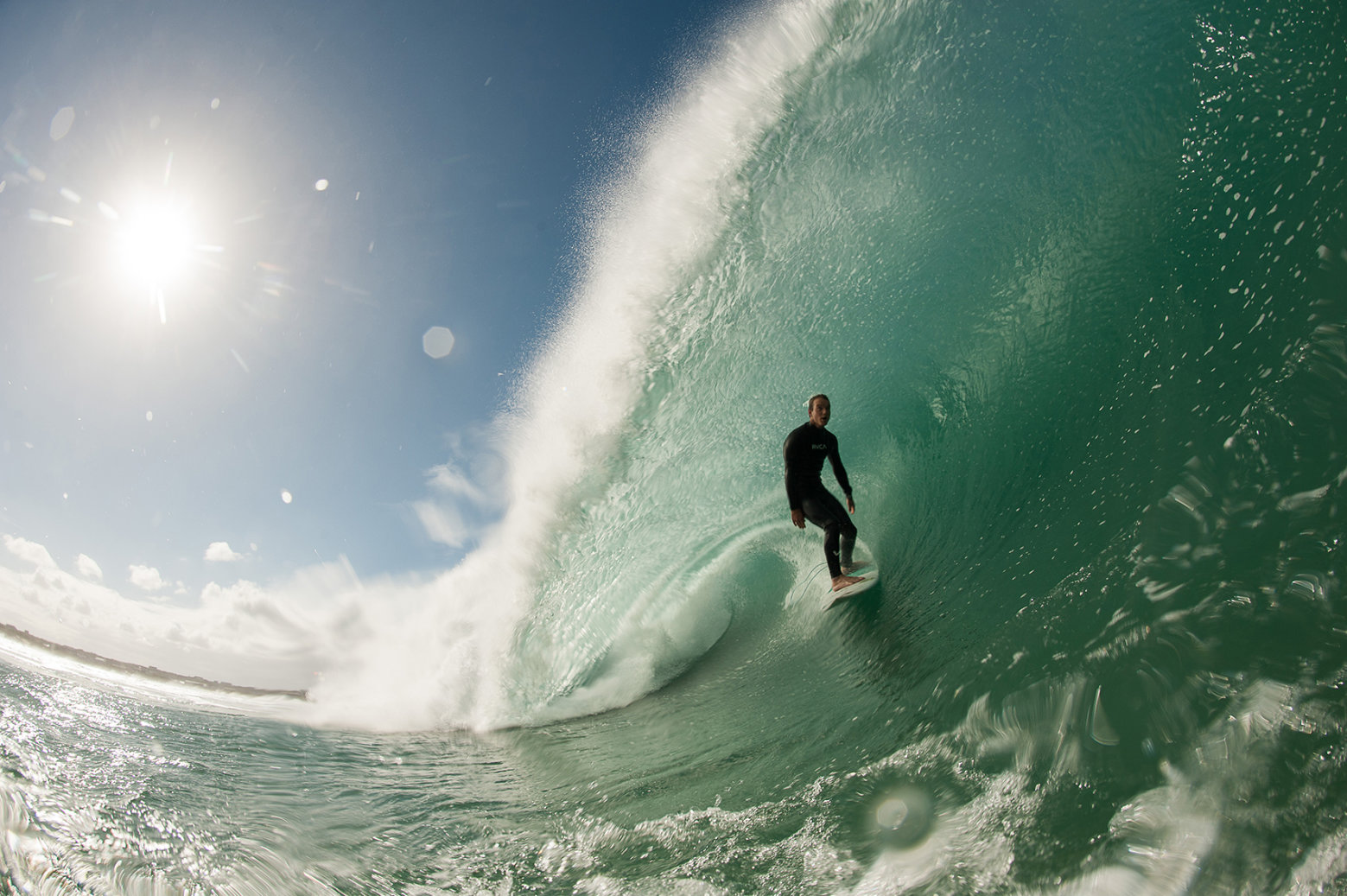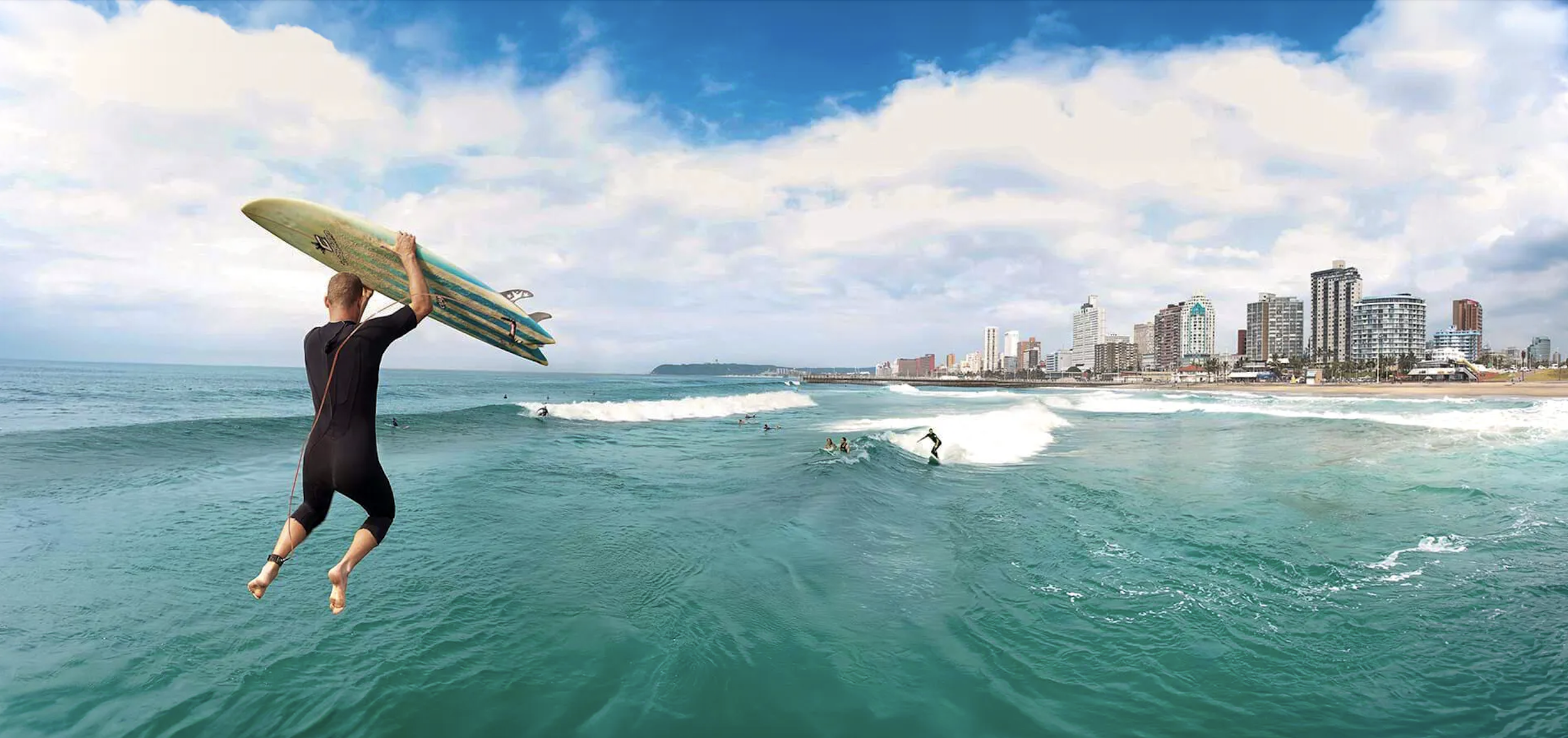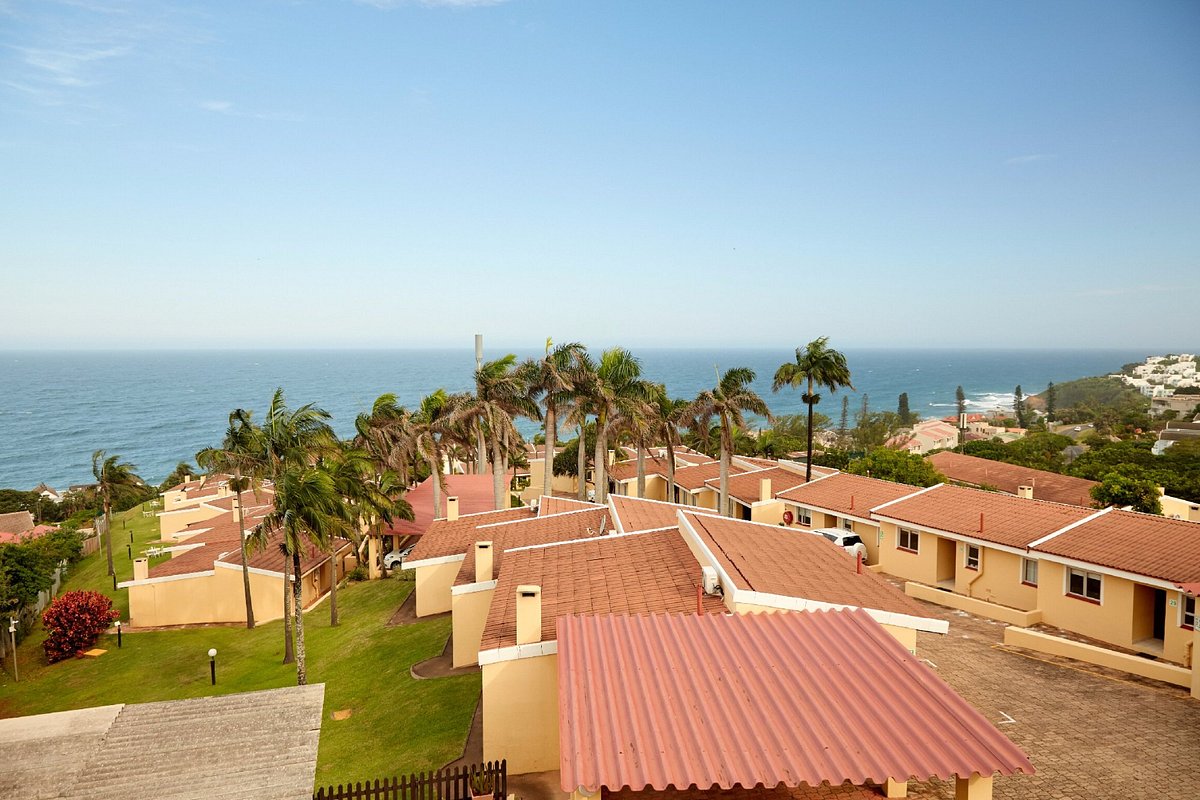
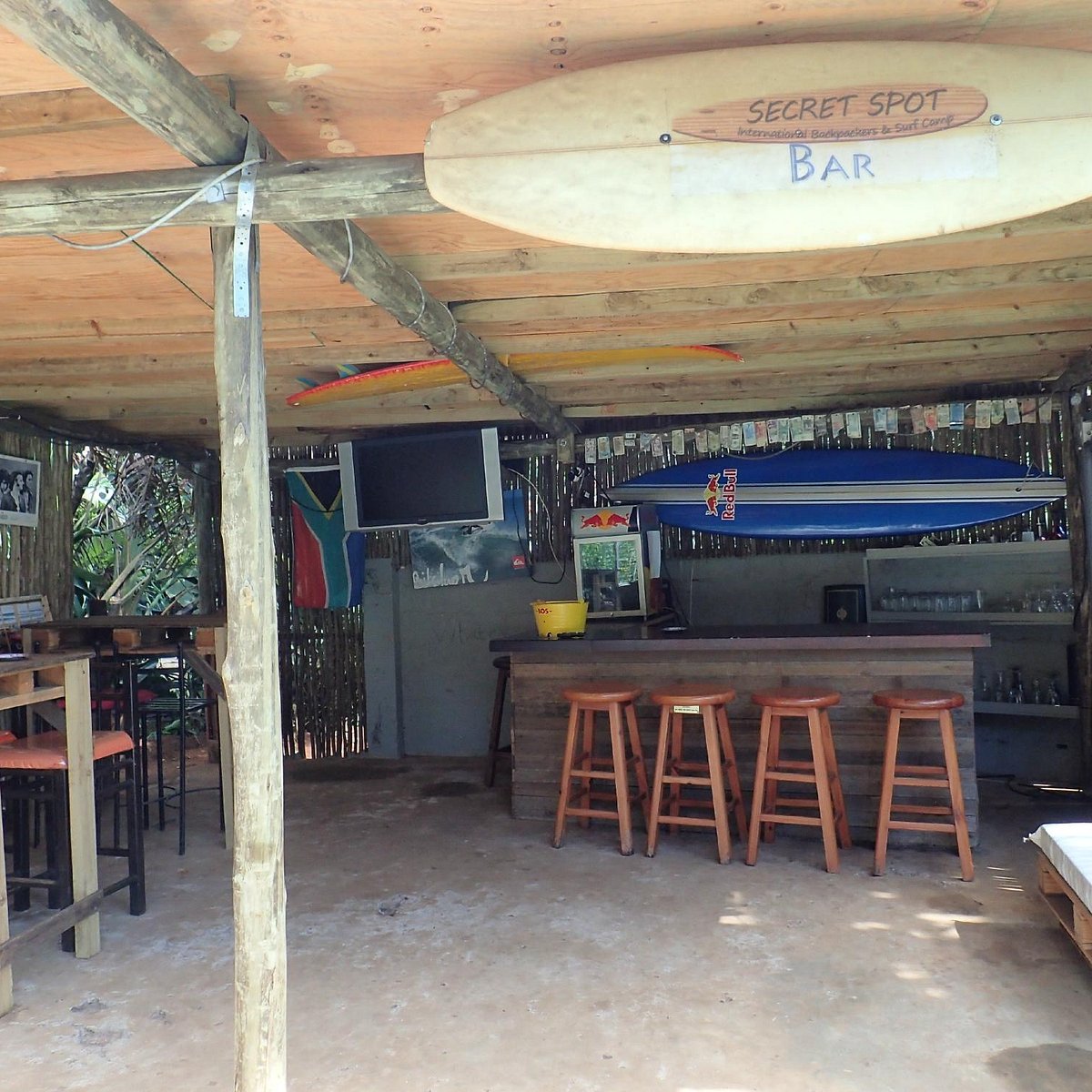
Located in the small tourist city of Ballito, in the so-called Dolphins Coast of South Africa. The clear and shallow waters of this coast favor dolphins approaching to feed, being able to be seen throughout the year. Ballito has experienced great development as a vacation center, and there are currently numerous accommodation and dining options. Secret Spot Backpackers International & Surf Camp offers surf courses for any age and surf tours to the numerous spots in the area. Ballito Beach, Salmon Bay, Clark B.
Surf Camps in South Africa
South Africa is a land of legendary waves, from the perfect barrels of Jeffreys Bay to the big wave arena of Dungeons. The country's surf camp scene reflects this diversity, offering experiences that range from high-performance coaching at world-class point breaks to laid-back surf houses in charming coastal towns.
Our Favourite Surf Camps in South Africa
Secret Spot Backpackers International & Surf Camp
Located in Jeffreys Bay, Secret Spot offers direct access to one of the world's best waves. The camp combines comfortable backpacker-style accommodation with expert local knowledge and a friendly, social atmosphere. Google rating: 4.8★
Which Regions Offer Surfing in South Africa?
KwaZulu-Natal
The KwaZulu-Natal coast offers warm water surfing with consistent waves year-round. Durban is the main surf hub, with numerous beach breaks and the famous Cave Rock reef.
Eastern Cape
The Eastern Cape is home to Jeffreys Bay, widely considered one of the best right-hand point breaks in the world.
Western Cape
The Western Cape around Cape Town offers powerful, cold water waves and stunning scenery. Dungeons at Hout Bay is one of the world's premier big wave spots.
The Most Famous Surf Spots in South Africa
Supertubes, Jeffreys Bay
Supertubes is the crown jewel of South African surfing, a flawless right-hand point break that produces long, barreling waves.
Dungeons
Located off Hout Bay near Cape Town, Dungeons is one of the world's most challenging big wave spots.
Cave Rock
A powerful reef break in Durban, Cave Rock produces heavy, hollow waves that attract local chargers.
Surf Scene in South Africa
South Africa's surf scene is one of the most vibrant and competitive in the world. The country has produced numerous world champions and continues to develop world-class talent.
South Africa receives waves year-round, with conditions varying by coast. The Western Cape (Cape Town, J-Bay) has the best waves from April to September during the Southern Hemisphere winter when powerful swells arrive. The east coast (Durban) works best from February to May during cyclone season. Summer (December-February) has smaller waves but warmer water. South Africa's extensive coastline means you can find waves somewhere at any time of year. J-Bay's famous right-handers are most consistent from June to August.
Jeffreys Bay (J-Bay) is one of the world's best right-hand point breaks and hosts professional contests. The wave offers long, fast, barreling rides over sand-covered reef. Supertubes is the most famous section, producing perfect tubes. The point has multiple sections (Kitchen Windows, Magna Tubes, Boneyards, Supertubes, Impossibles, The Point) offering rides up to 300+ meters on good days. J-Bay works best from June to August when consistent swells arrive. It's a bucket-list wave for serious surfers.
South Africa offers good value for surf travel. Budget accommodation costs $20-40 per night, while surf camp packages range from $600-1,200 per week. Mid-range options cost $1,000-2,000 per week. Daily expenses are affordable - meals cost $8-15, and local beers are $2-3. The favorable exchange rate makes South Africa excellent value for visitors from the US, UK, and Europe. J-Bay is more affordable than Cape Town. Overall, South Africa offers world-class waves at reasonable prices.
Citizens of the USA, UK, EU, Canada, Australia, and many other countries can enter South Africa visa-free for up to 90 days. Your passport must be valid for at least 30 days beyond your departure date and have at least two blank pages. The visa-free entry makes South Africa ideal for extended surf trips. Check current requirements as policies can change. South Africa is easily accessible with direct flights from major international hubs.
Water temperatures vary significantly along South Africa's coast. The east coast (Durban) has warm Indian Ocean water (20-26°C), comfortable with a spring suit or boardshorts. The Western Cape (Cape Town, J-Bay) has cold Atlantic water (12-18°C), requiring a 4/3mm or thicker wetsuit year-round. J-Bay is warmer than Cape Town but still requires a wetsuit. The cold water is due to the Benguela Current. Don't underestimate the cold - a good wetsuit is essential for the Western Cape.
South Africa has great white sharks, particularly around Cape Town and the Western Cape. Shark encounters do occur, though attacks are statistically rare. Some beaches have shark spotters who alert surfers to sightings. To minimize risk: avoid surfing at dawn/dusk, near seal colonies, or in murky water; be aware of recent sightings; and consider personal shark deterrent devices. Many South African surfers use these precautions and surf safely for decades. The risk is real but manageable with awareness.
South Africa has good beginner options. Muizenberg near Cape Town is the traditional learning spot, with gentle waves, warm(ish) water, and numerous surf schools. Durban's beaches offer warmer water and mellow waves. J-Bay has beginner-friendly spots like Kitchen Windows when conditions are small. Many surf camps offer beginner programs with qualified instructors. The variety of coastlines means you can find suitable conditions for learning. Durban's warm water is particularly appealing for beginners.
Packing depends on your destination. For the Western Cape: 4/3mm or 5/4mm wetsuit, booties, and hood for winter. For Durban: spring suit or 3/2mm wetsuit, plus boardshorts for summer. Universal items include strong sunscreen, layers for variable weather, and a good board bag. South Africa has excellent surf shops if you need to buy gear locally. Don't forget travel insurance, any medications you need, and a power adapter (South Africa uses unique plugs). A rental car is essential for exploring the coast.
Renting a car is essential for exploring South Africa's surf coast. The Garden Route from Cape Town to J-Bay is one of the world's great coastal drives. Prices start from $30-50 per day. Roads are generally good, and driving is on the left. Domestic flights connect major cities (Cape Town, Durban, Port Elizabeth). Many surf camps offer airport transfers. Public transport is limited in surf areas. The distances are significant - Cape Town to J-Bay is about 700km - so plan your itinerary accordingly.
Absolutely! South Africa offers world-class wildlife experiences alongside excellent surf. Addo Elephant National Park is near J-Bay, offering Big Five viewing. The Garden Route has numerous wildlife reserves. Kruger National Park is accessible from Durban or Johannesburg. Many surf travelers combine a week of waves with a few days on safari. The diversity of experiences - surfing, wildlife, wine country, vibrant cities - makes South Africa a compelling destination for extended trips.
South African surf culture is passionate and well-established. The country has produced world champions and has a strong competitive scene. The vibe varies by location - J-Bay has a dedicated surf community, Cape Town mixes surf with urban culture, and Durban has a warm, friendly atmosphere. Localism exists at some spots but is generally manageable for respectful visitors. The diversity of South African society is reflected in its surf community. The combination of world-class waves and African adventure creates a unique surf culture.
Cape Town has excellent surf within a stunning setting. The city offers diverse breaks from the powerful reef at Dungeons (big wave spot) to the mellow waves at Muizenberg. Llandudno, Kommetjie, and Long Beach have quality waves. The backdrop of Table Mountain makes surfing here visually spectacular. Water is cold year-round, requiring thick wetsuits. Cape Town combines world-class surf with incredible food, wine, and culture. It's one of the few major cities where you can surf quality waves and enjoy urban amenities.